Professional Project Consulting
Our engineers provide tailored automation planning based on your products, processes, and production goals.

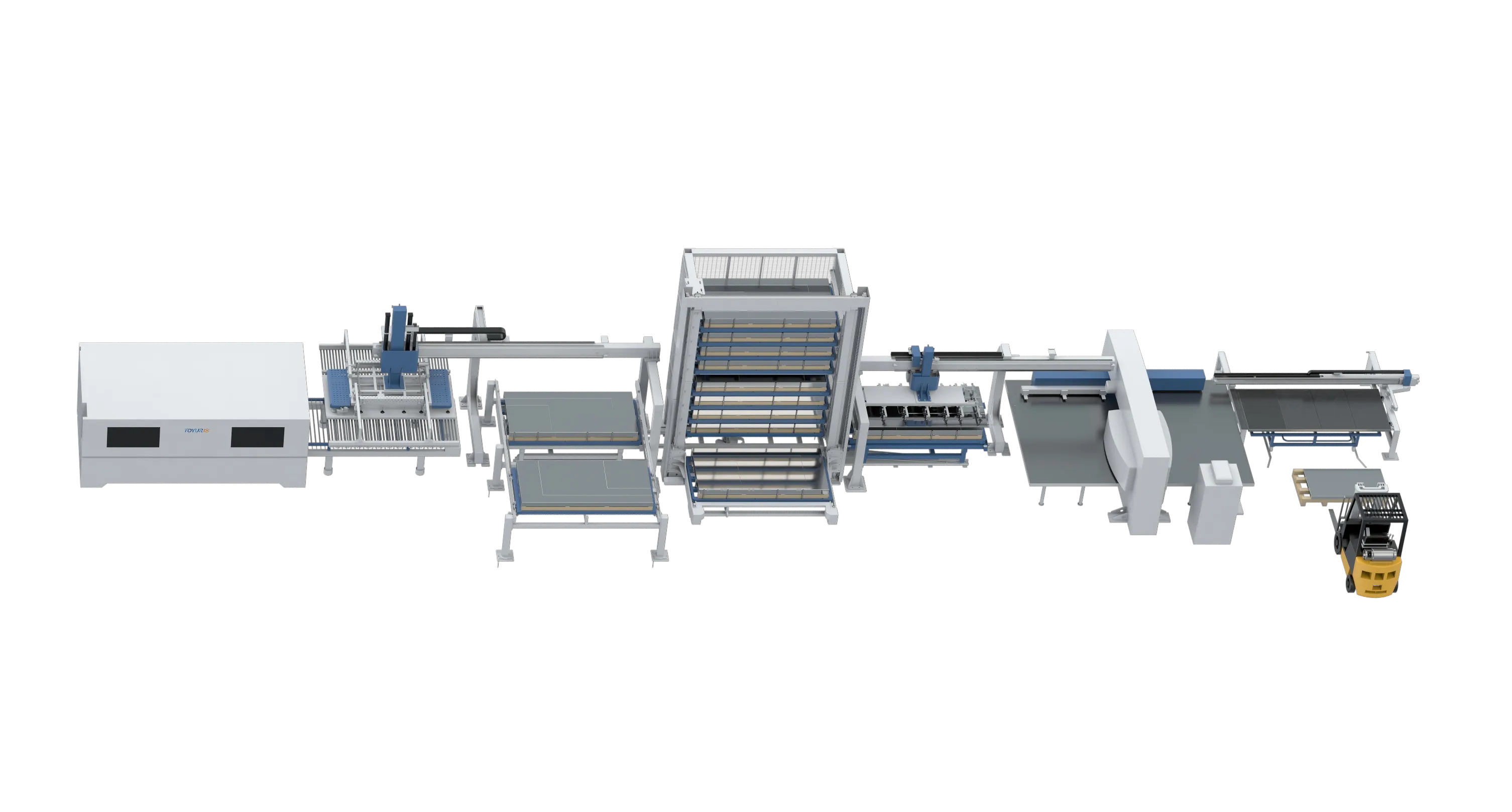
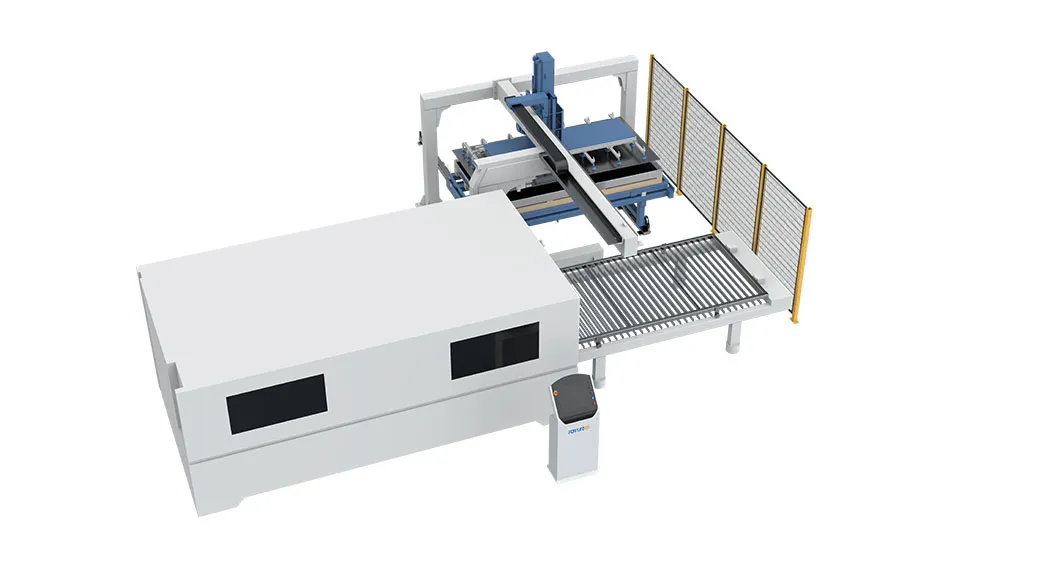
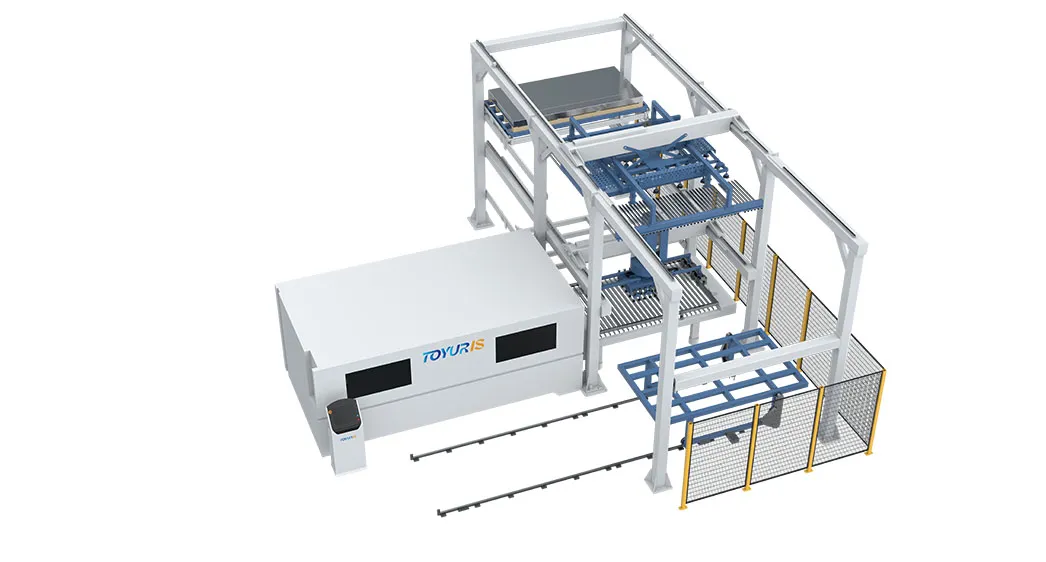
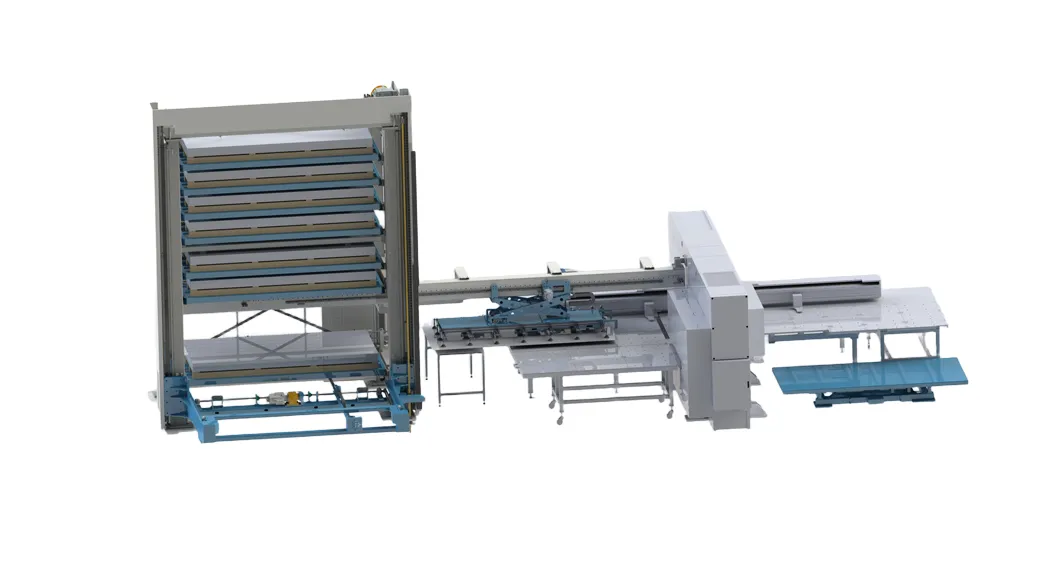
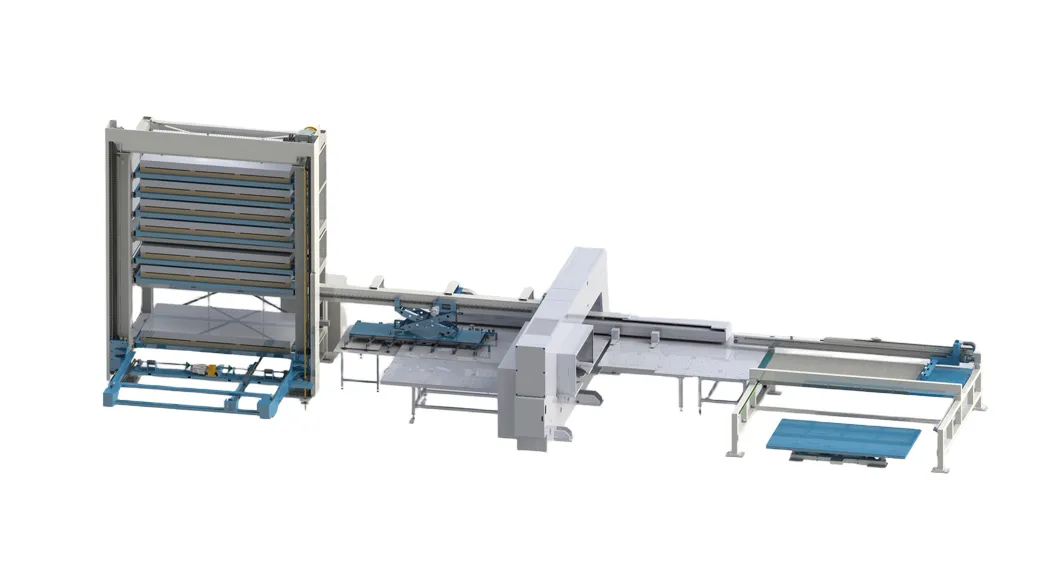
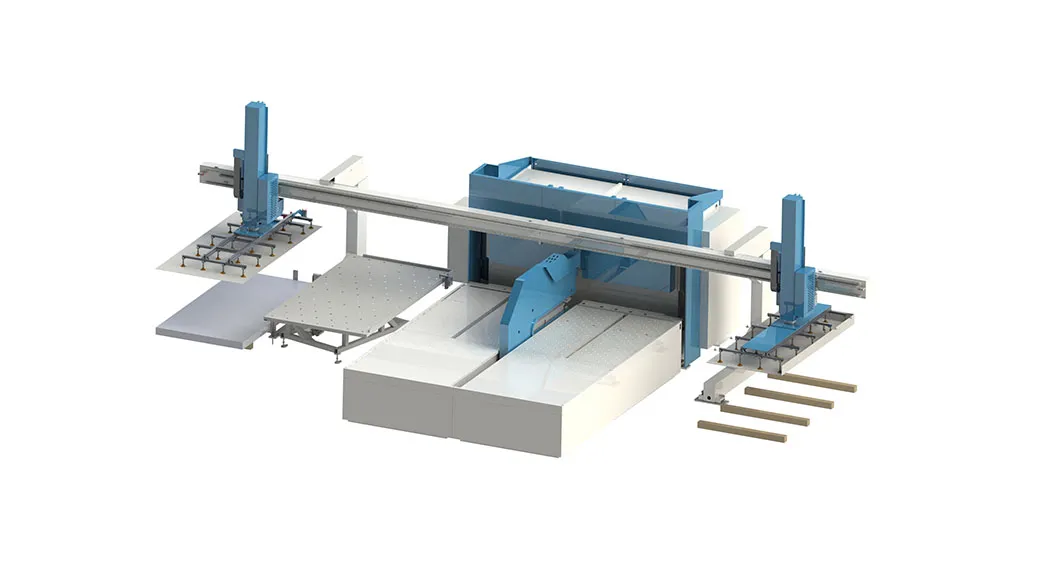
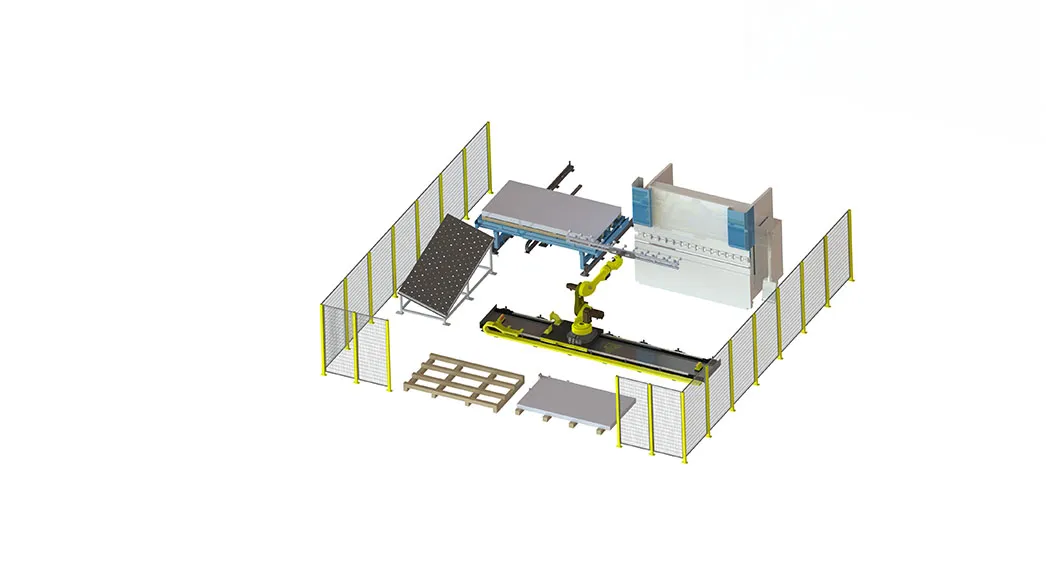
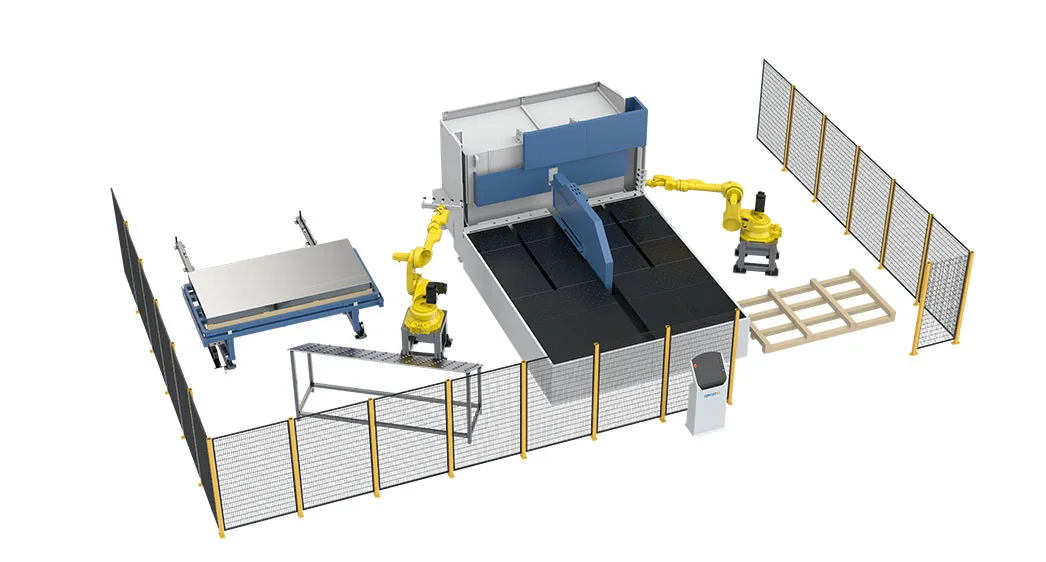
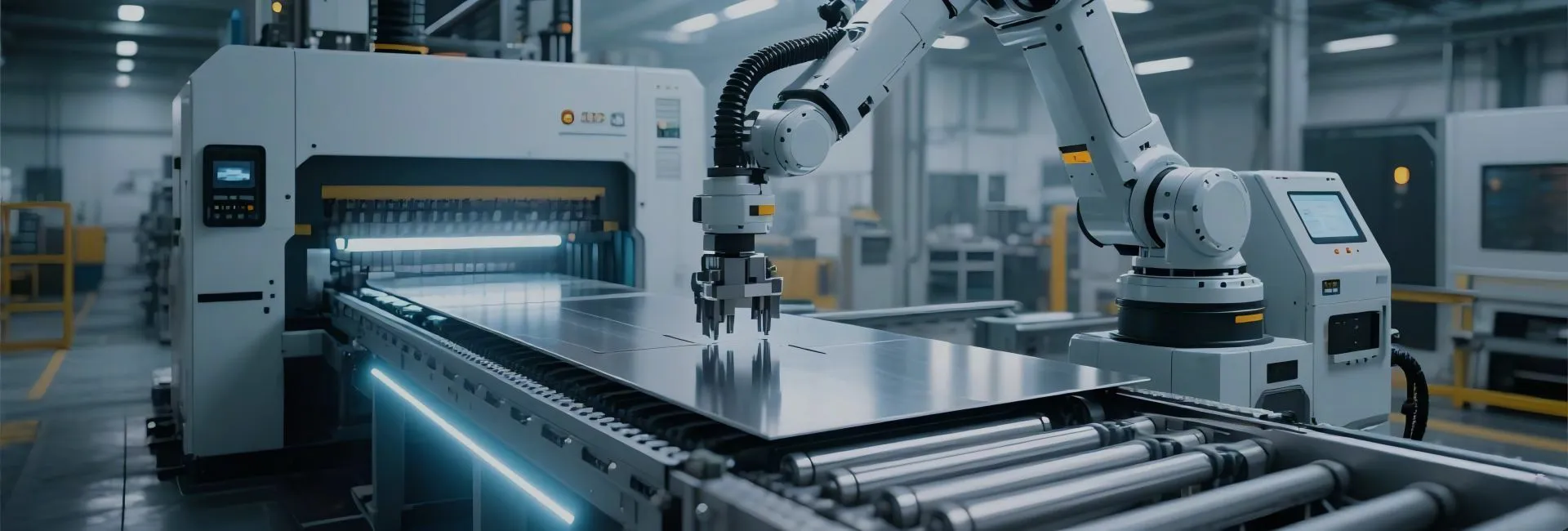
The core advantage of the TOYURIS’s Intelligent CNC Punching Machine Automation Production Unit lies in the fact that it is far more than just a mechanical system designed to replace manual loading and unloading; it is a comprehensive productivity-enhancement solution that seamlessly integrates efficiency, stability, intelligence, ease of use, and scalability. Through reliable hardware configurations, intelligent software controls, and open system interconnectivity, it effectively assists sheet metal manufacturing enterprises in achieving their smart manufacturing transformation goals—specifically, reducing costs, boosting efficiency, and enhancing product quality.
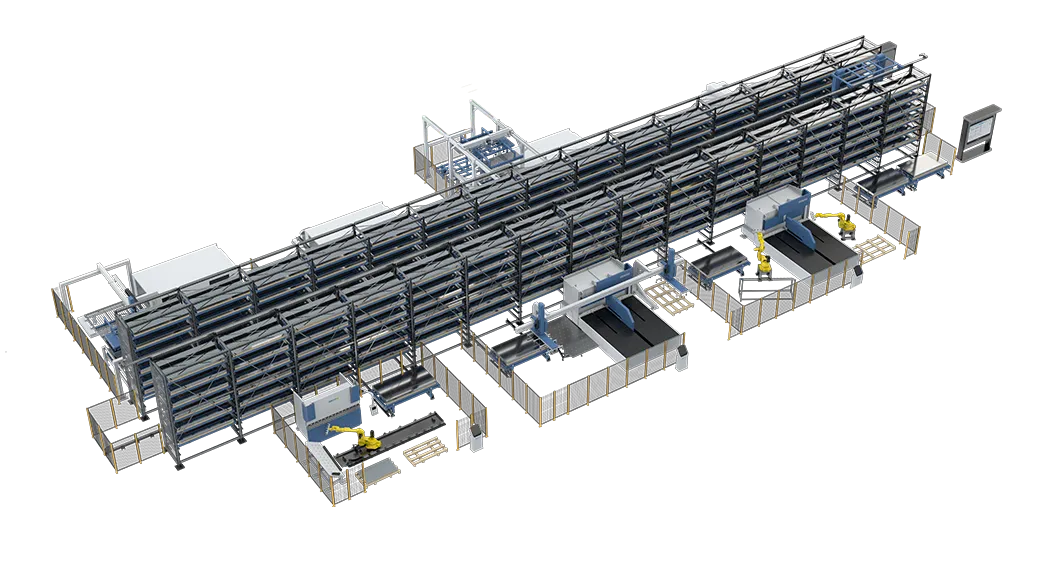
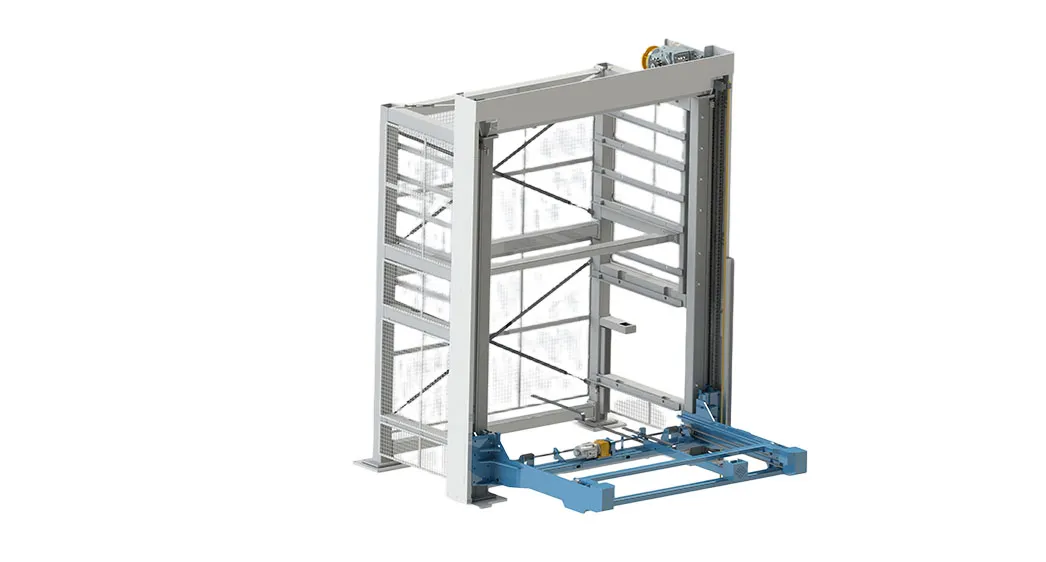
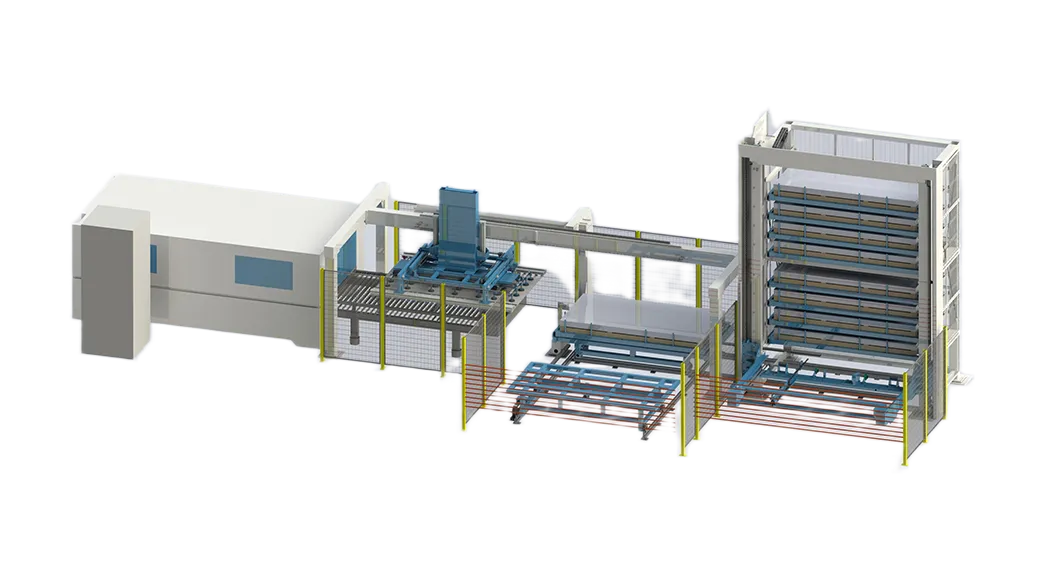
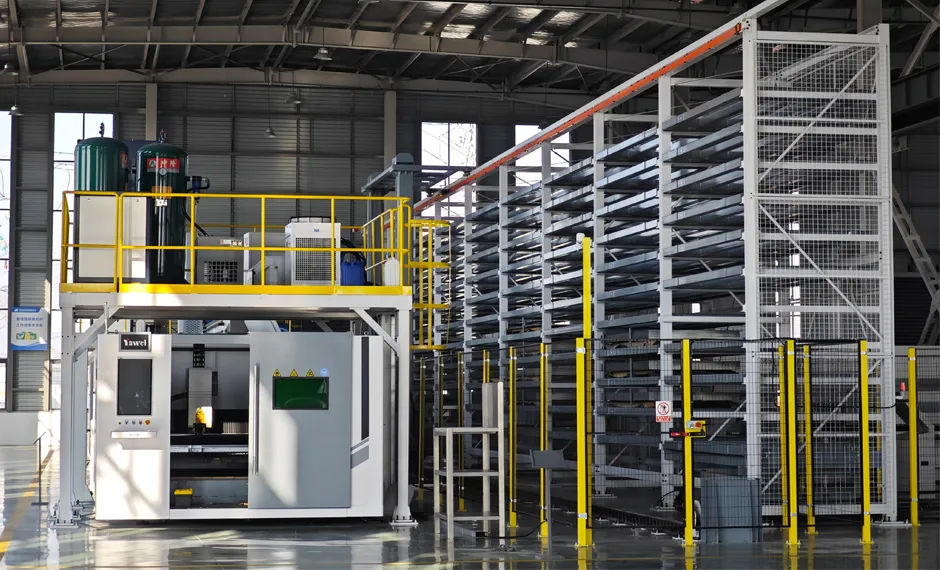
GP3015-01 A single CNC punch press is integrated with a dedicated storage rack (single or double column). The integrated loading manipulator directly picks materials from the rack's output layer, enabling automated material supply.
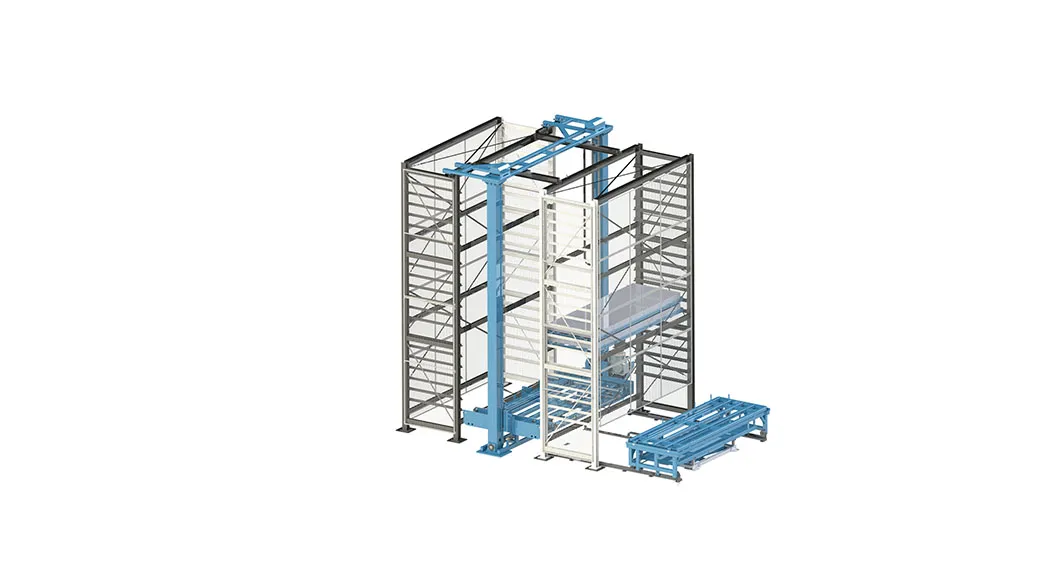
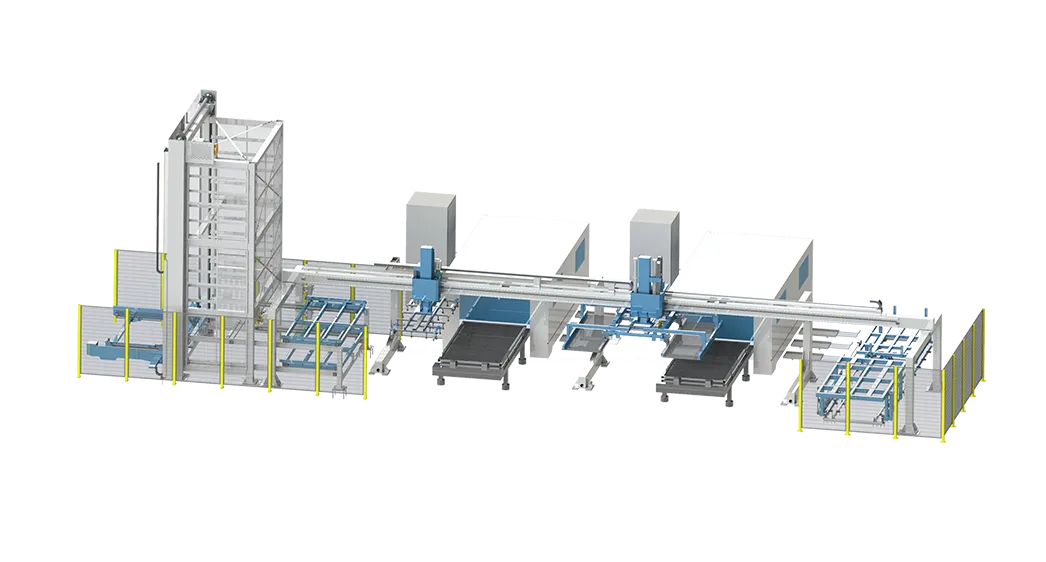
GP3015-02 Two CNC punch presses share one centralized storage rack. A single loading system with a side-shift mechanism fetches materials from the rack and alternately feeds both presses, each with its own unloading system.
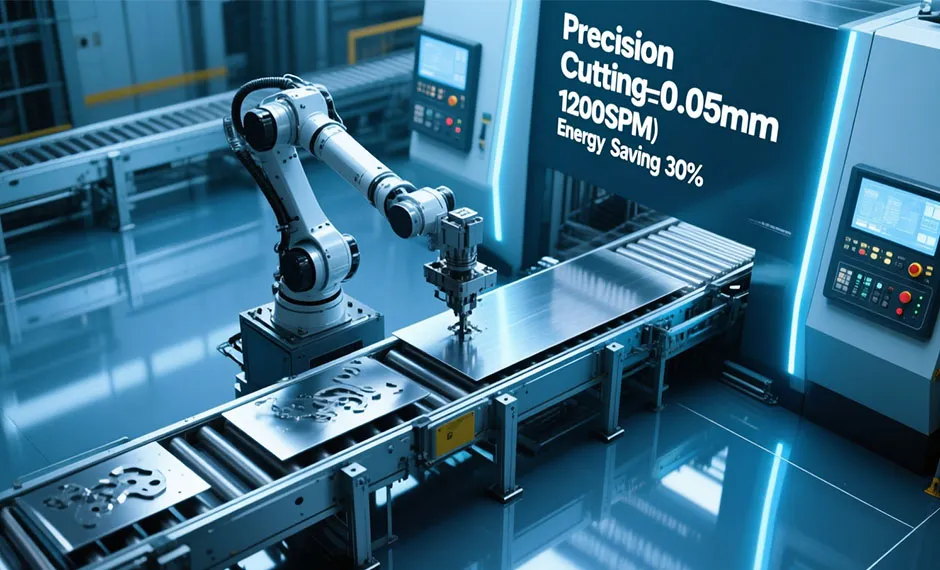
The roles of personnel will shift from manual operators to equipment managers and process optimizers
Operators: Transition to production line supervisors, responsible for monitoring system operation, handling abnormal alarms, performing necessary manual interventions , and performing equipment inspections and maintenance.
Programmers/Process Engineers: Need to master the programming characteristics of automated production lines and use the MES system for task management and data retrieval. They need to develop a production line-level scheduling and problem diagnosis mindset, shifting from single-machine programming to global process optimization.
The company should provide systematic training and establish a new performance appraisal system to encourage employees to adapt to and promote automated production.
This depends on your product structure, order patterns, and investment budget.
Suitable for automated production lines: Factories with a wide variety of products, small batch sizes, and short lead times, requiring frequent material and process changes; factories with multiple punch presses, laser equipment, etc., aiming for centralized scheduling and "lights-out production"; and factories with high requirements for visualization and traceability throughout the production process.
Suitable for single automated units: Factories with large product batch sizes and relatively fixed product types; primarily aiming to improve the utilization rate of key individual machines, addressing labor shortages and night shift production issues; serving as the first step in automation upgrades for pilot testing and experience accumulation.
TOYURIS's solutions often employ a "reserved interface" design, allowing for initial setup with a single unit, with future expansion to a production line via material storage, thus protecting investment.
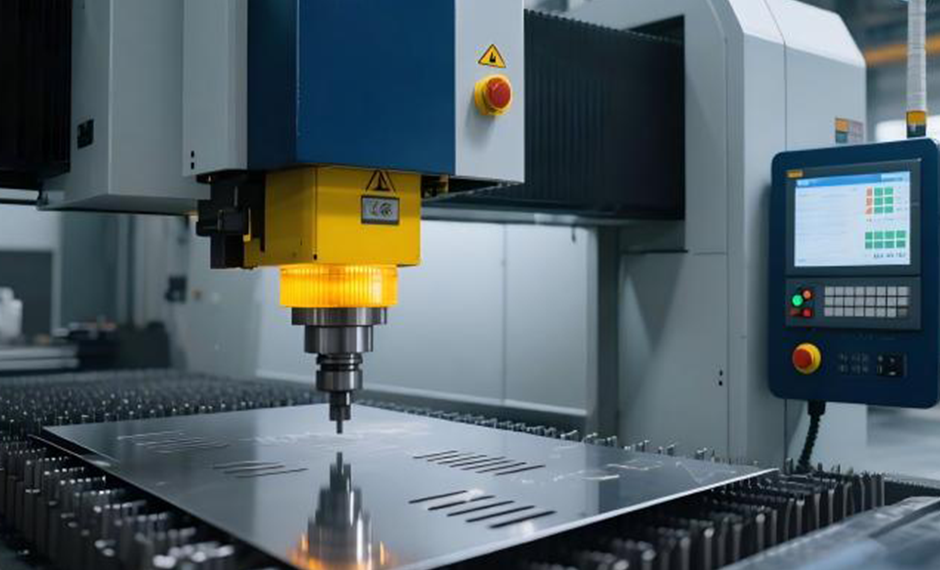
Automated punch press systems are widely used in industries requiring high-precision and high-efficiency sheet metal processing. They are ideal for producing electrical enclosures, elevator components, medical equipment housings, server cabinets, HVAC parts, and automotive sheet metal components. With automatic loading, punching, unloading, and sorting, these systems significantly reduce manual labor while improving accuracy and consistency. Automated punch presses are especially suitable for high-mix, low-volume production as well as batch manufacturing, enabling fast changeovers, stable quality, and reliable delivery for modern smart factories.
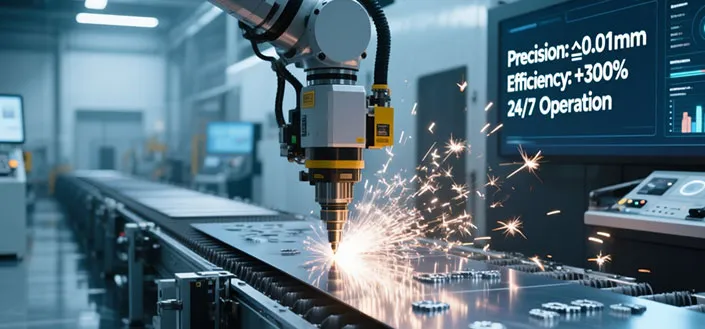
Its core function is to enable a fully "unmanned" sheet metal punching process. It integrates automatic sheet separation, loading, precise positioning, punching operations, automatic unloading, and finished product palletizing. This liberates human workers from heavy, repetitive loading and unloading tasks, thereby enabling continuous 24-hour production.
Through a combination of "mechanical positioning and visual/sensor feedback." Once the loading arm delivers the sheet to the punching machine's worktable, the machine's built-in clamps automatically grip and position the material. Simultaneously, the system may be equipped with edge-detection sensors or a vision system to ensure the sheet aligns perfectly with the program's origin point, achieving a positioning accuracy of up to **±0.1 mm**.
By utilizing a "double-sheet separation and detection function." Typically, magnetic separators, lifting pins, or air-blowing devices are employed to physically separate sheets that may be sticking together. Crucially, this process is coupled with a sheet thickness measurement device for real-time monitoring; if an abnormal thickness (indicating a double sheet) is detected, an alarm is immediately triggered, and the loading process is halted—thereby eliminating errors at the source.
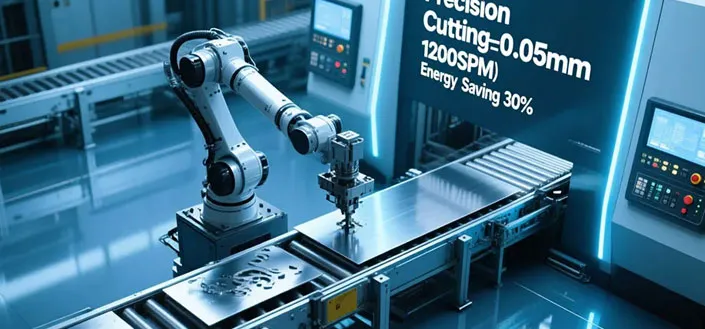
The mainstream method involves "pull-arm unloading." While the punching machine is processing the material, the grippers on the pull-arm secure the sheet's process-retention tabs (the scrap skeleton). Once processing is complete, the grippers drag the entire "skeleton sheet" (containing all finished parts and scrap material) over to the unloading station. Through vibration or air-blowing, small parts are allowed to drop into collection bins located underneath, while larger parts or the remaining skeleton are sorted and palletized by robotic manipulators or human operators, ensuring a neat and organized collection of finished goods.
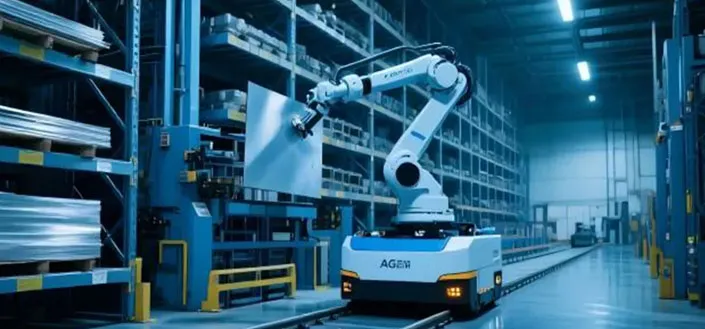
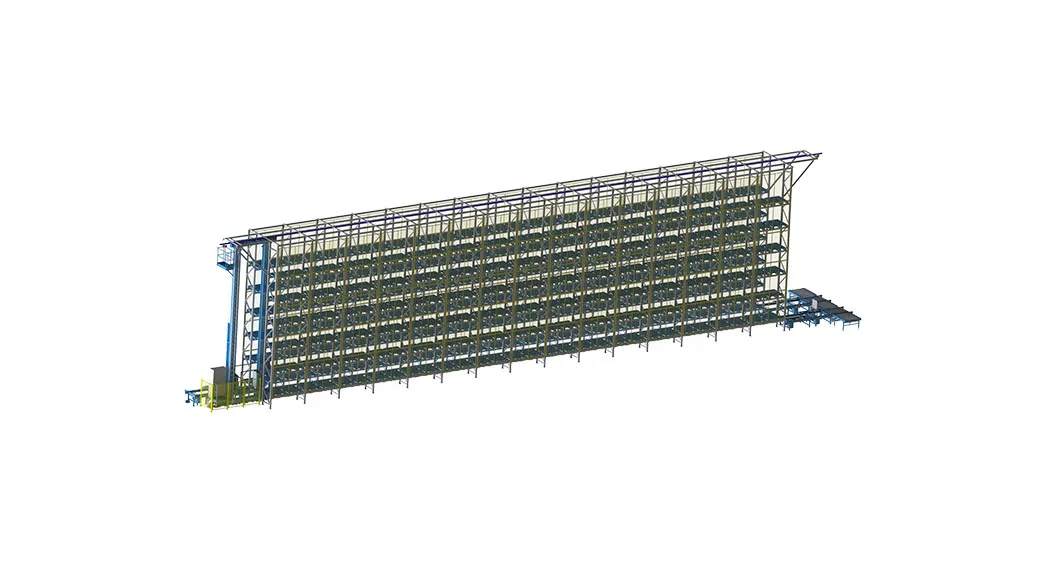
Through integration with an "Automated Storage and Retrieval System (AS/RS)"—also known as an automated vertical warehouse (WMS). Acting as the central hub for raw material storage, the warehouse automatically retrieves full pallets of sheet metal based on production orders (received from the MES or ERP system). These pallets are then transported—via hydraulic lift carts or conveyor lines—to the raw material staging platform of the punching cell, thereby ensuring an automated supply of materials. Similarly, finished products resulting from the processing can be designated for transport away from the cell by AGVs or forklifts.
The automation unit supports a "Quick Die Change" mode. During the die change process, the system can switch to manual or semi-automatic mode. Operators utilize the control panel to manually operate the loading and unloading mechanisms—feeding sheet metal into the punching machine or removing it—thereby facilitating the die change operation. Once the die change is complete, full automatic operation can be restored with a single command, minimizing downtime. Generate Mind Map.

Our engineers provide tailored automation planning based on your products, processes, and production goals.
With online support and remote diagnostics, Tongyun ensures quick troubleshooting and minimal downtime.
From layout design to installation, training, and long-term service, we support your entire smart factory journey.