Professional Project Consulting
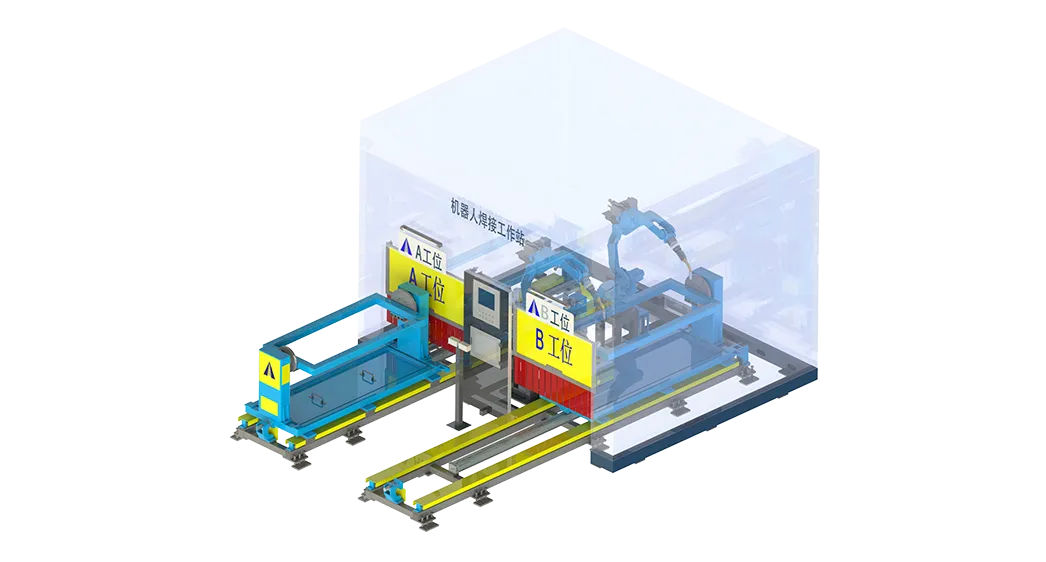
Our engineers provide tailored automation planning based on your products, processes, and production goals.

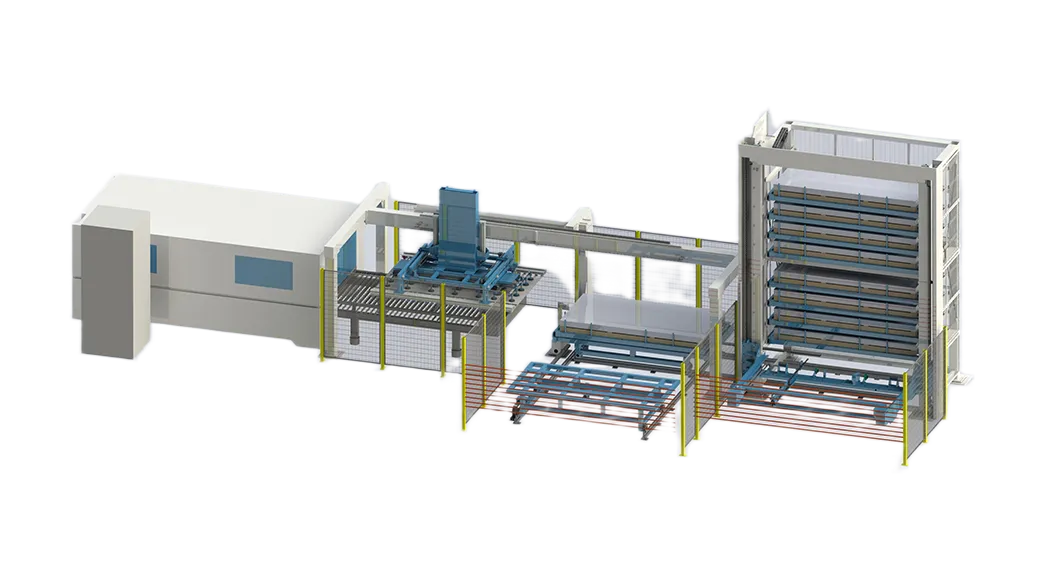
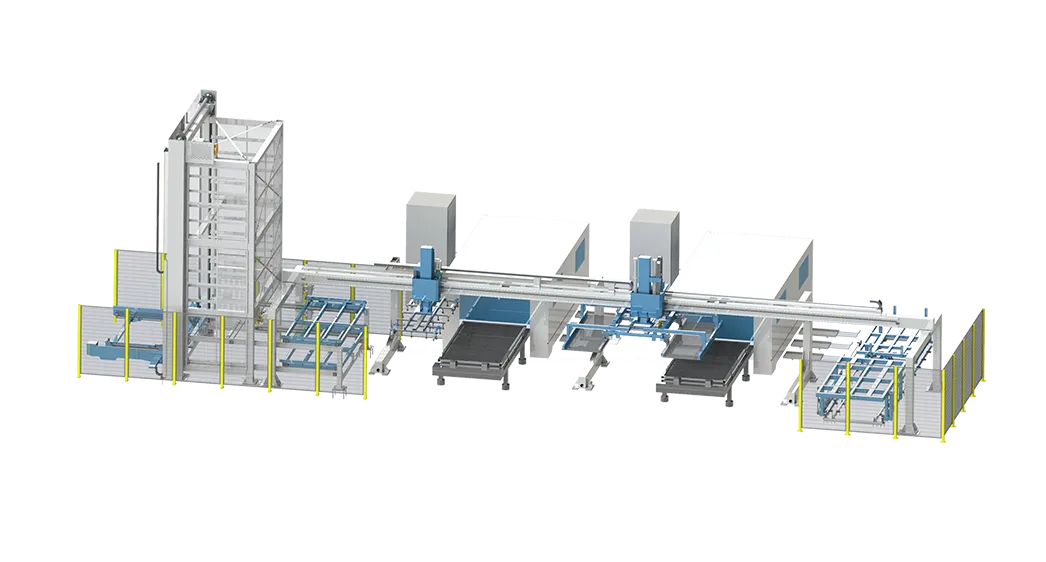
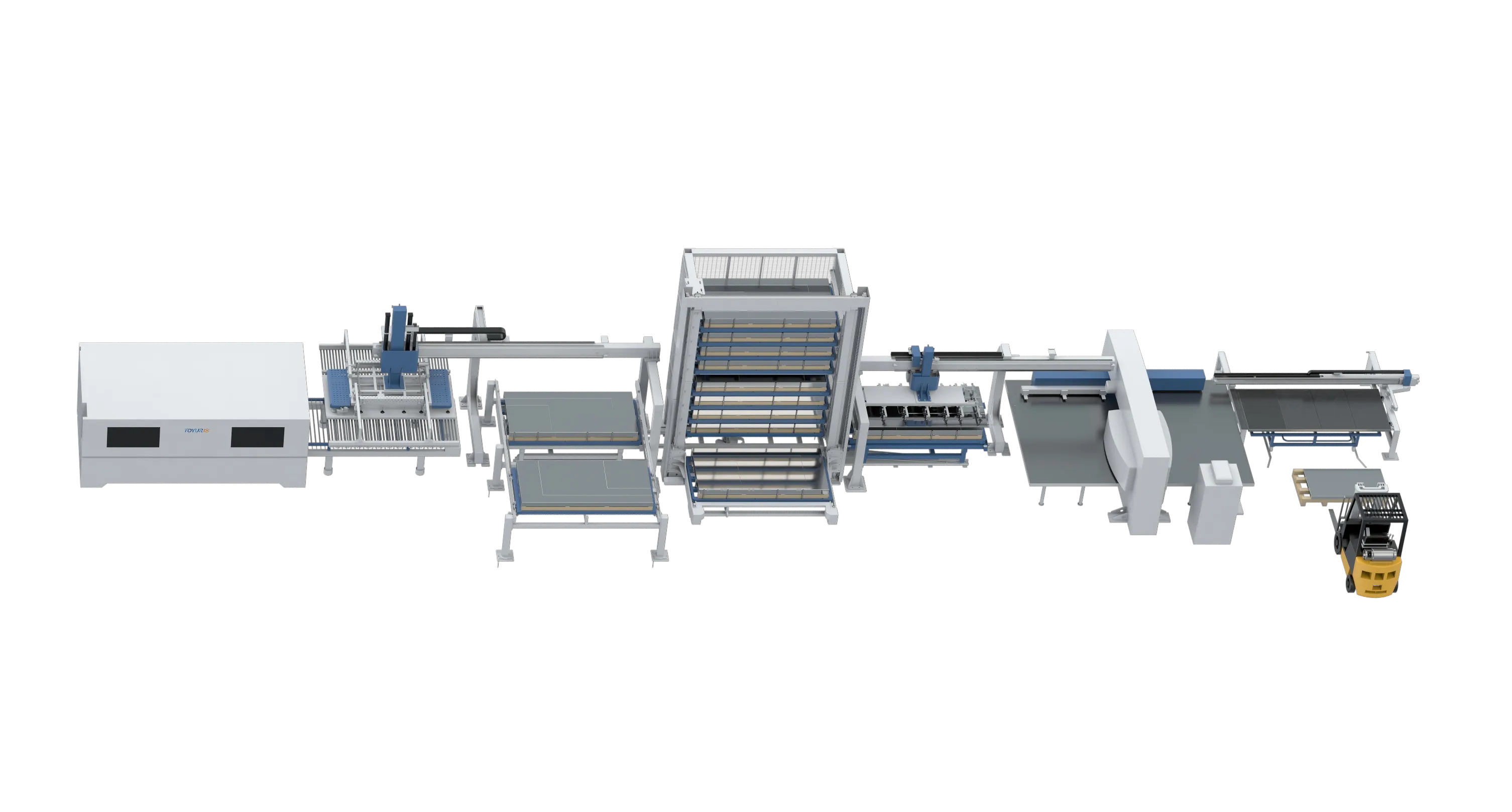
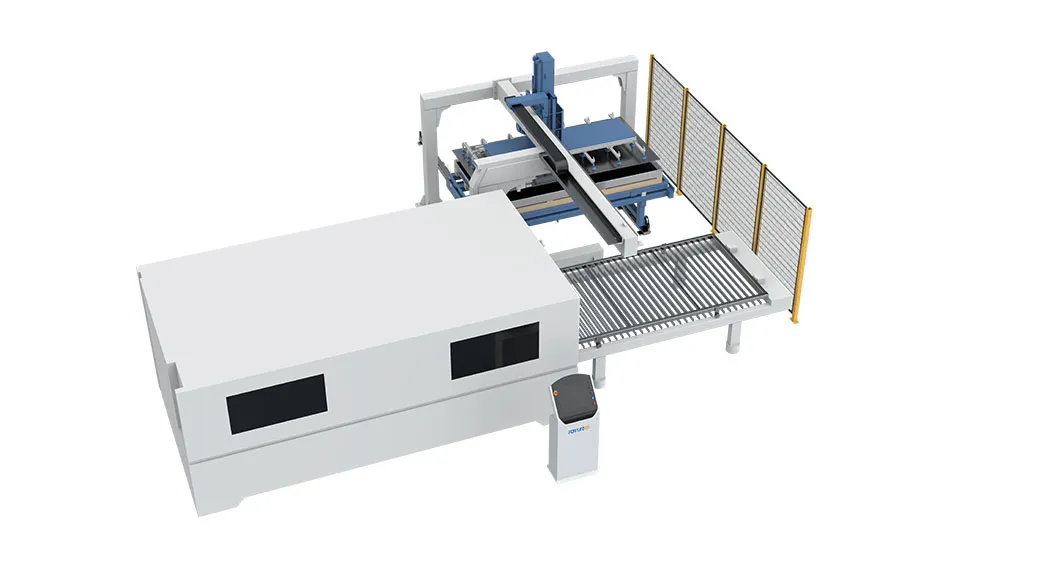
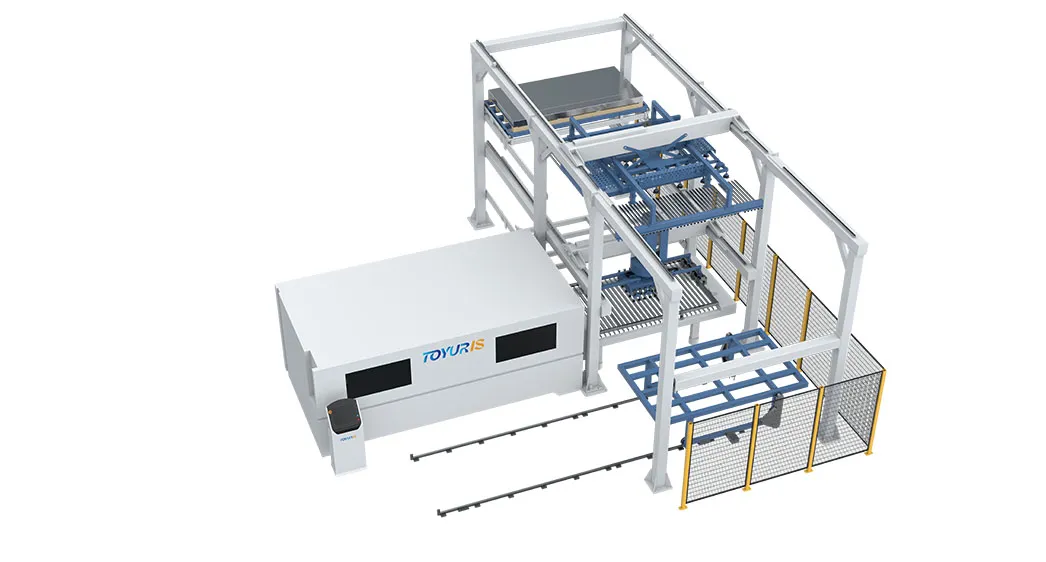
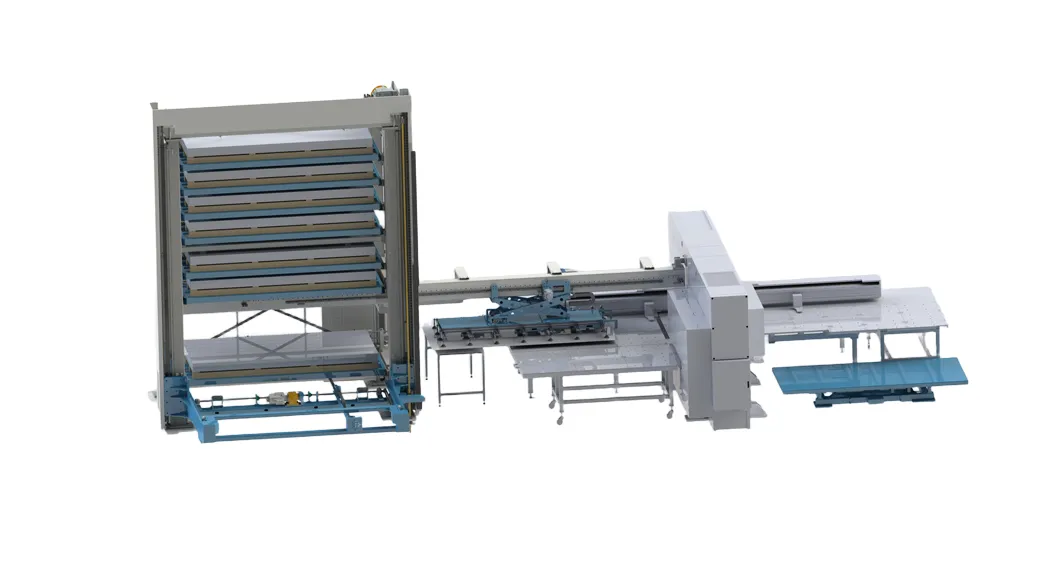
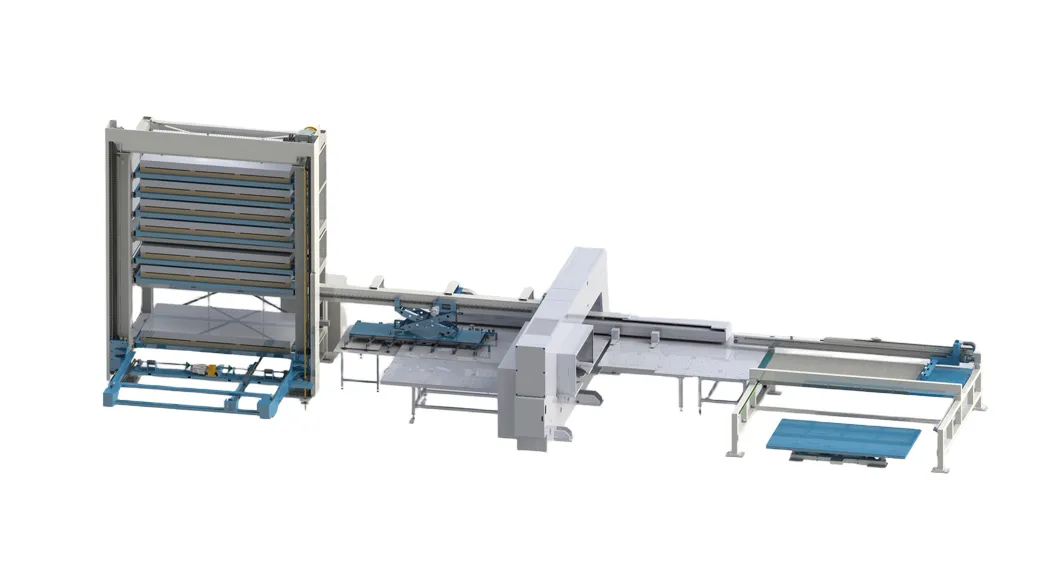
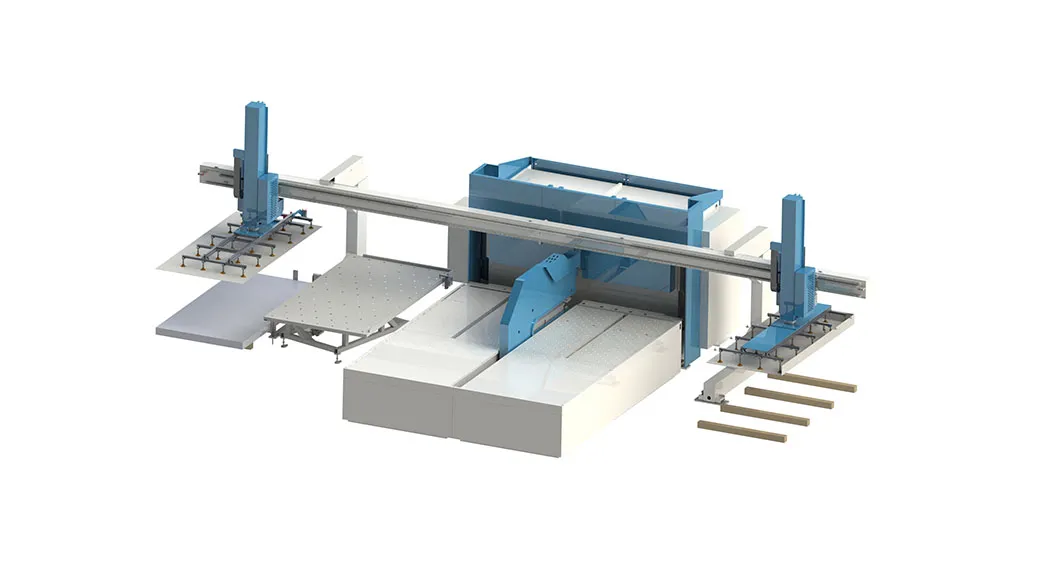
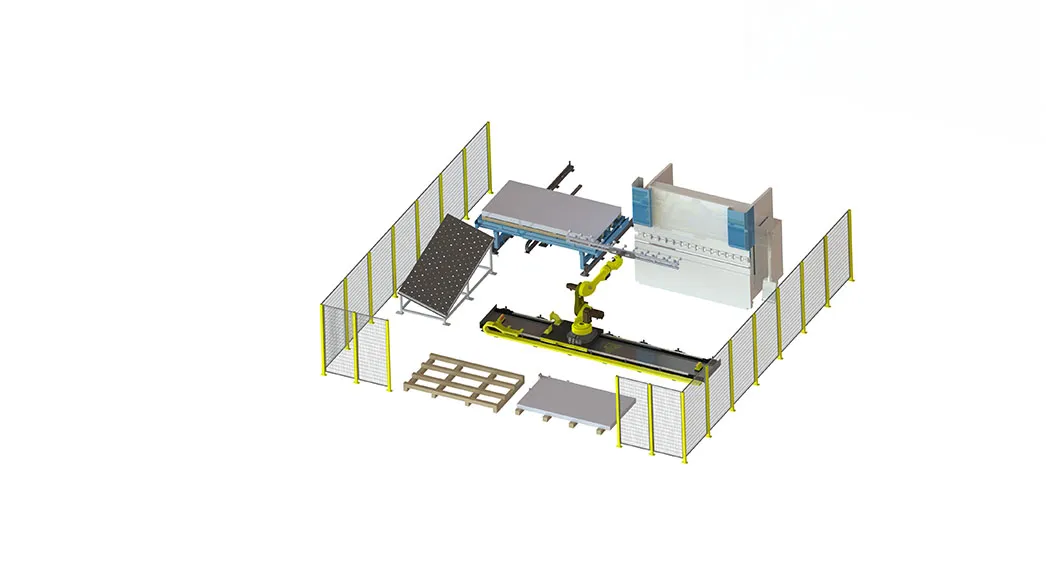
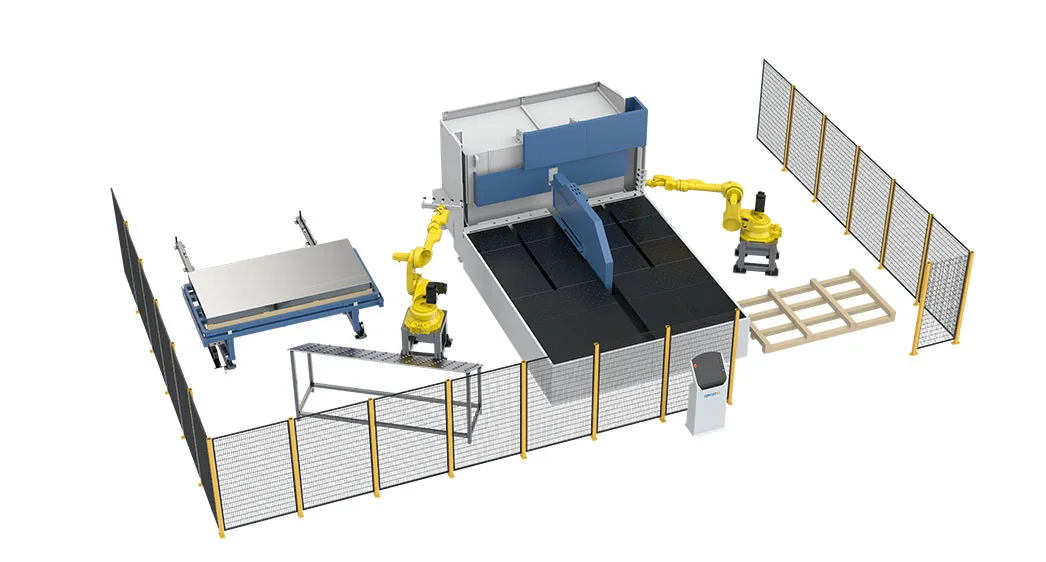
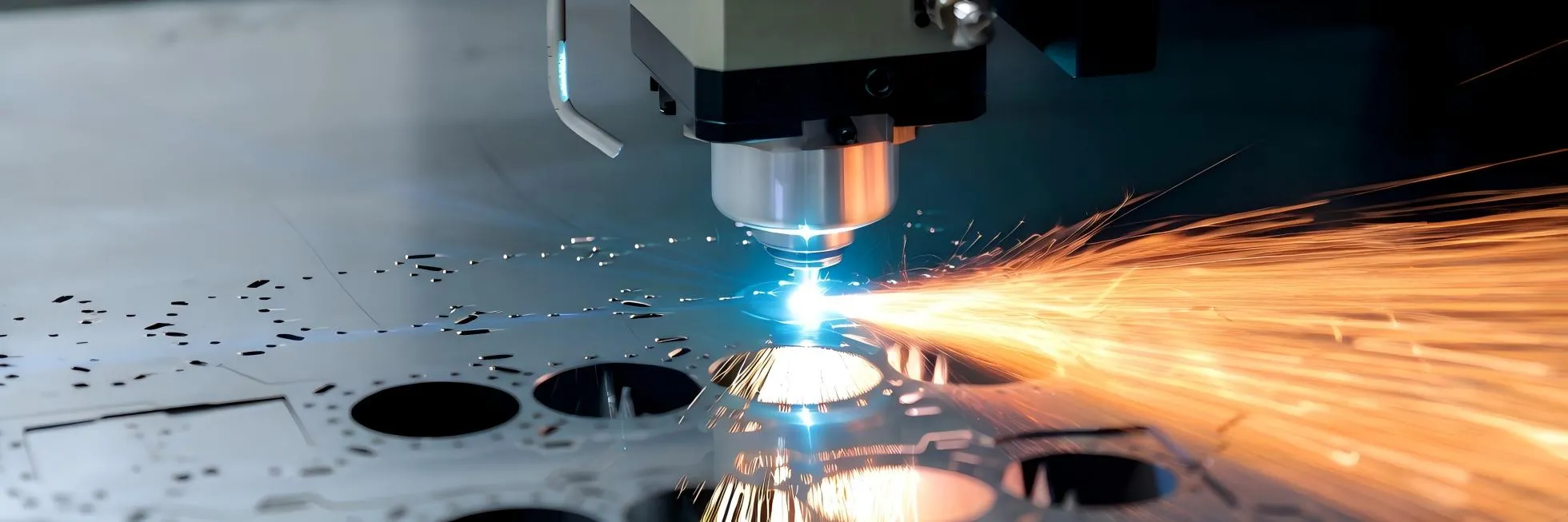
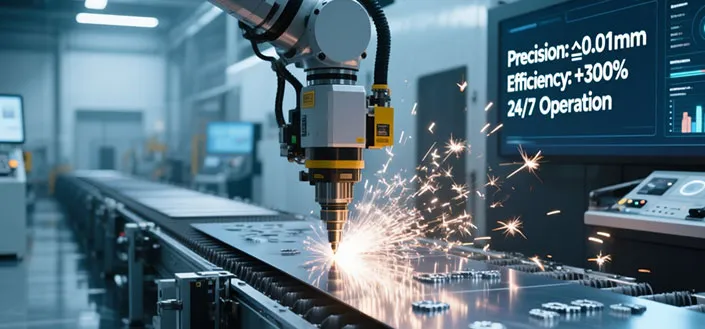
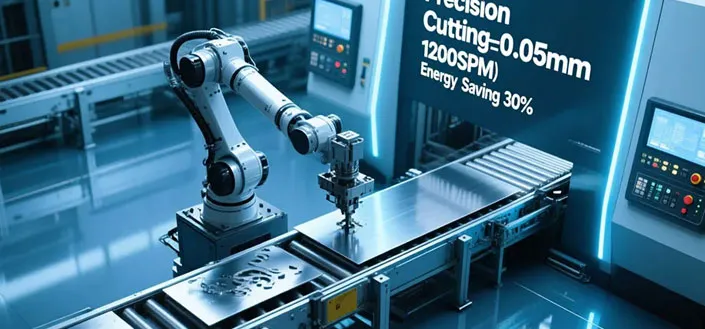
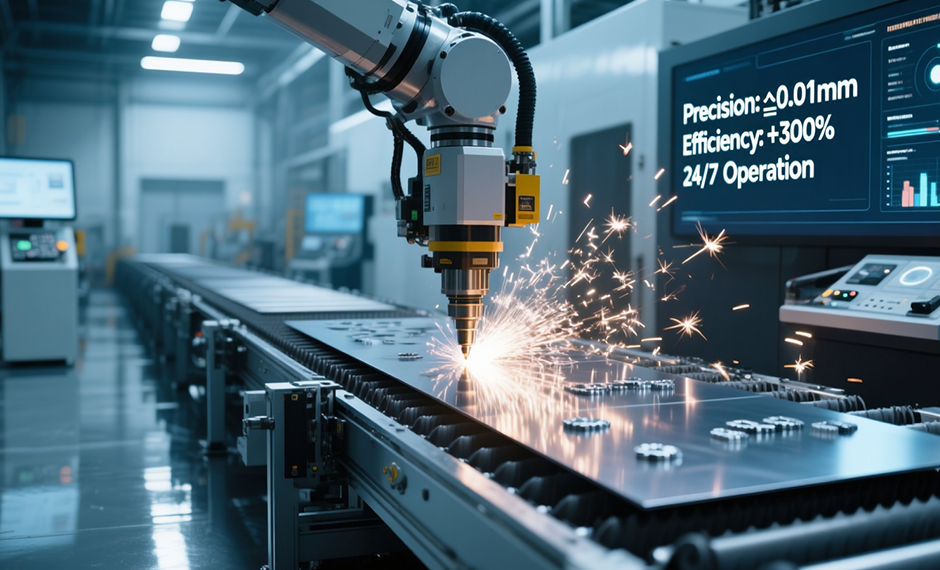
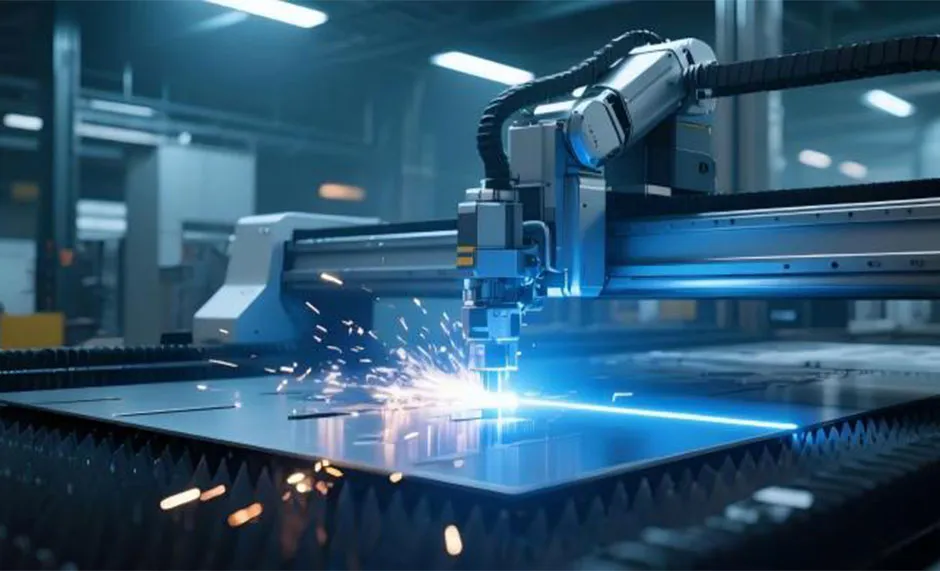
TOYURIS’s automated laser cutting systems integrate laser machines with intelligent loading, unloading, and material handling units to achieve continuous and high-efficiency production. Designed for high-mix and batch processing, the system reduces manual labor, improves cutting accuracy, and shortens production cycles. With modular layouts and smart control, it enables fast changeovers, stable operation, and seamless connection with storage systems and MES for fully digitalized production management.
High cutting speed and energy efficiency for steel, stainless steel, and aluminum
Lower maintenance and operating costs compared with CO₂ lasers
Seamless integration with automated loading, unloading, and storage systems
Supports high-mix, small-batch production with fast changeovers
Delivers stable accuracy, cleaner edges, and higher material utilization
High-precision vision + AI defect recognition
Laser line scanning and 3D contour measurement
Real-time X-ray imaging inspection
Automatic spot distribution and coaxiality calibration
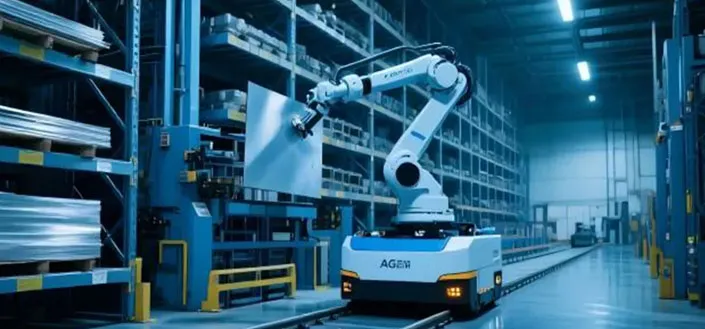
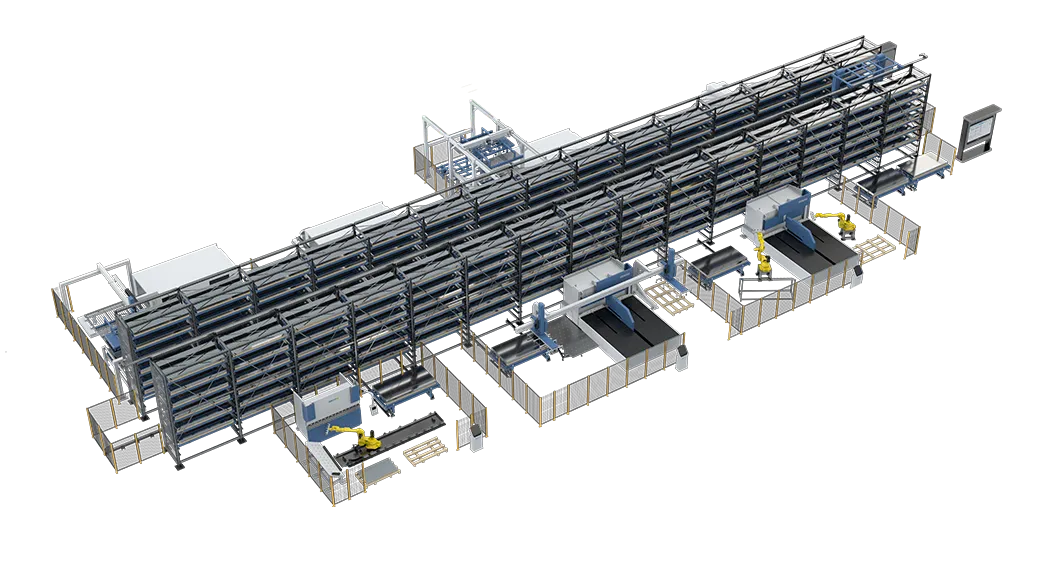
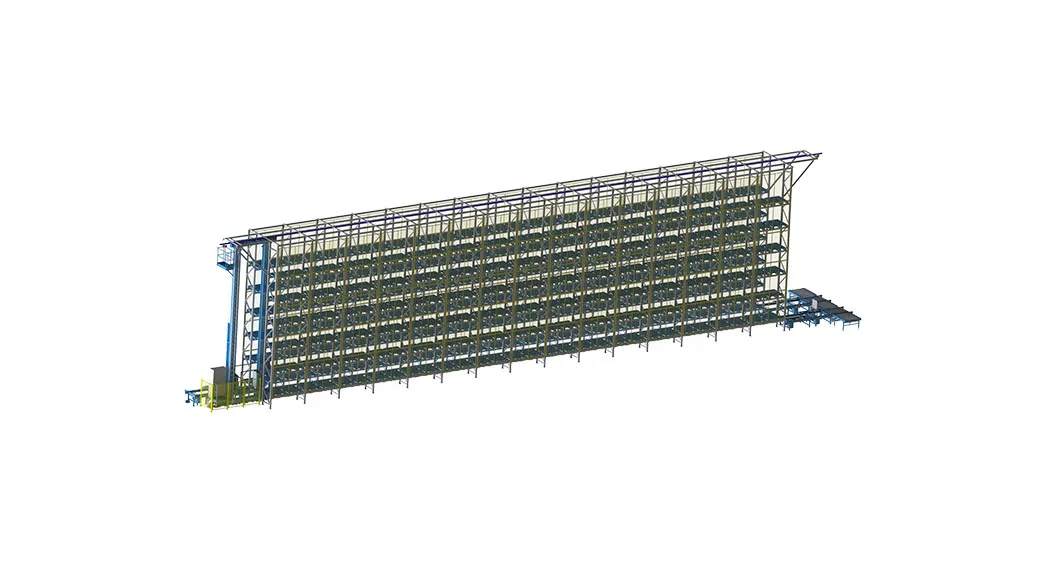
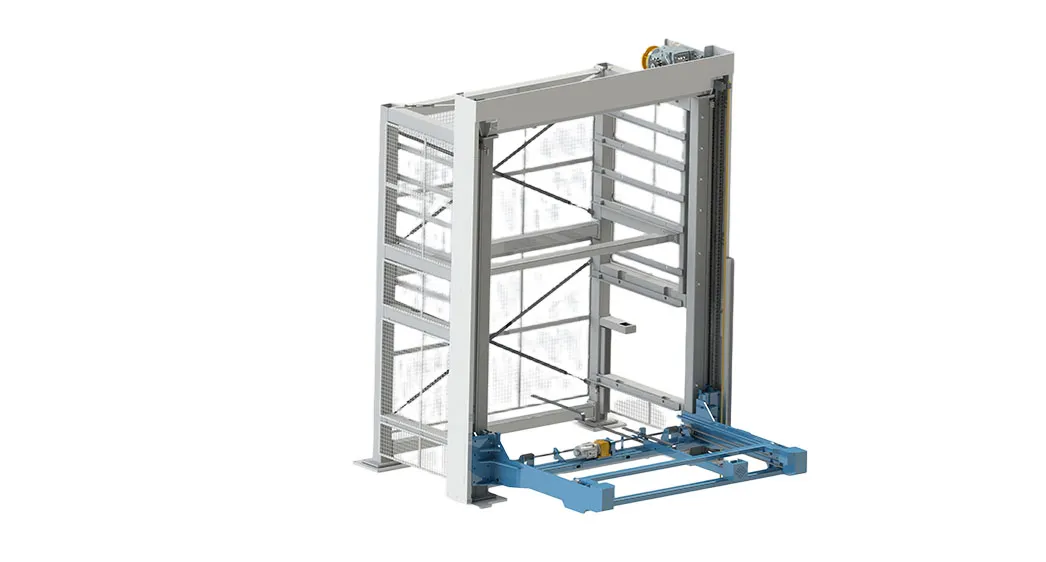
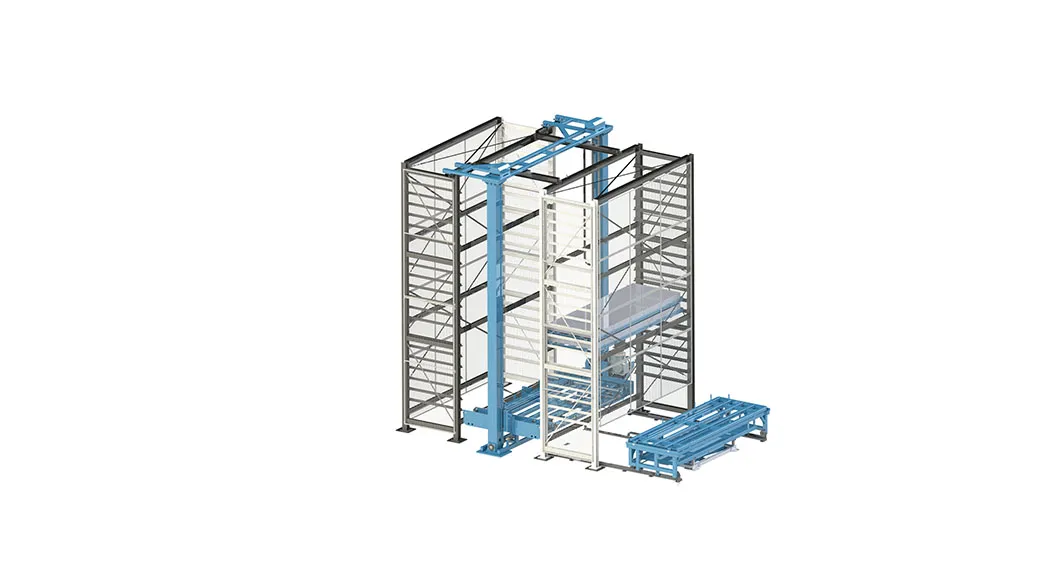
It primarily consists of three main parts: a vertical storage system (used for storing and managing raw materials), automated loading and unloading manipulators (responsible for retrieving, loading, and unloading materials), and a central control system (responsible for scheduling, production planning, and monitoring). These components work in synergy with a laser cutting machine to form a closed-loop production unit.
Through a dual-safeguard system involving "sheet separation plus thickness detection." The loading manipulator employs methods such as mechanical flanging, magnetic separation, or air-blowing to separate the sheets; immediately after gripping, the sheet is verified using a thickness sensor. Loading proceeds only if the thickness of the single sheet falls within the preset range; otherwise, an alarm is triggered.
The forks of the unloading manipulator are coated with a layer of anti-scratch engineering plastic or fitted with wear-resistant strips to prevent direct metal-to-sheet contact. Additionally, the manipulator's lifting and lowering movements are synchronously controlled by servo motors to ensure smooth handling.
It can continue to run in a degraded mode. The central control system automatically detects the faulty equipment and directs the loading and unloading system to bypass the defective machine, continuing to service the other operational laser machines. Additionally, the system supports switching to manual or single-machine modes to maintain partial production.
It operates on a data-driven basis. Production orders and sheet material information—including specifications, material type, and thickness—are transmitted from the central control system. Acting on these instructions, the material storage system retrieves the corresponding pallets; subsequently, the loading robot performs a final verification via thickness measurement to ensure complete alignment between the information flow and the physical material flow.
There are three key requirements: floor load-bearing capacity (which must accommodate the weight of the material storage system, equipment, and fully loaded sheet materials—including provisions for embedded tracks); a stable energy supply (three-phase electricity, compressed air, and cooling water); and sufficient space (covering the equipment layout, safety zones, and material flow lanes).

Our engineers provide tailored automation planning based on your products, processes, and production goals.
With online support and remote diagnostics, Tongyun ensures quick troubleshooting and minimal downtime.
From layout design to installation, training, and long-term service, we support your entire smart factory journey.