What are you looking for?
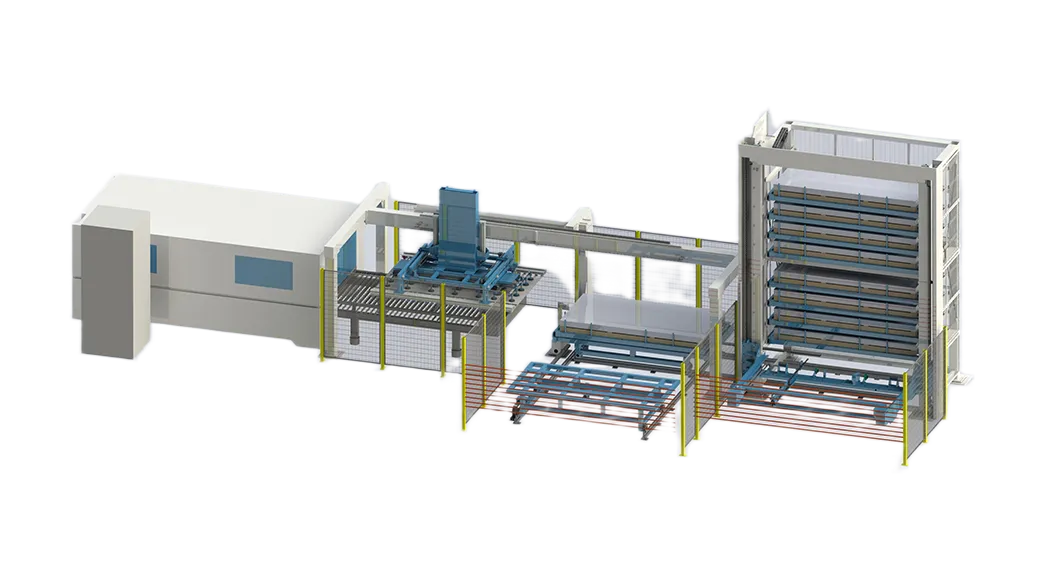
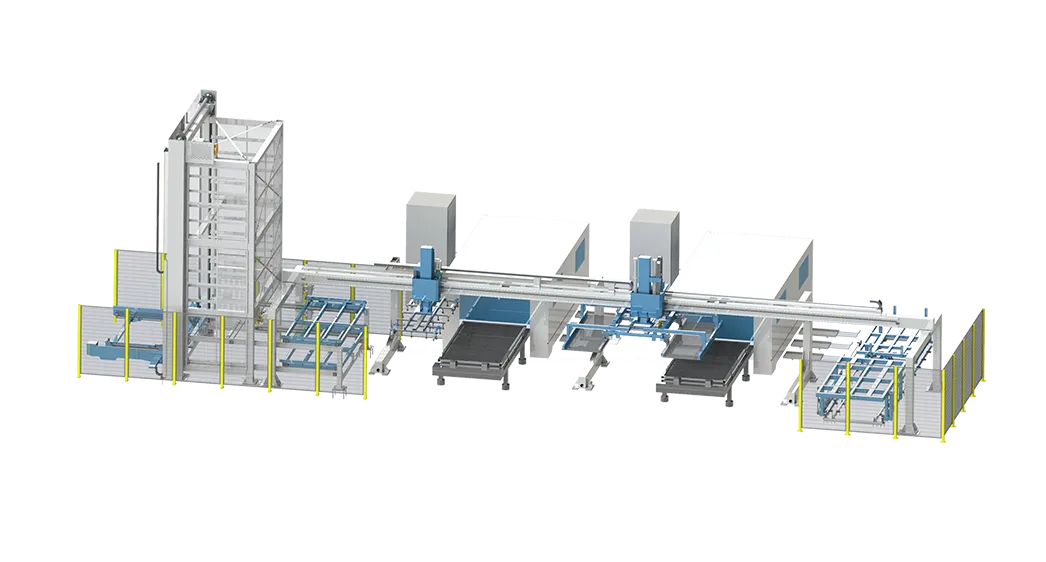
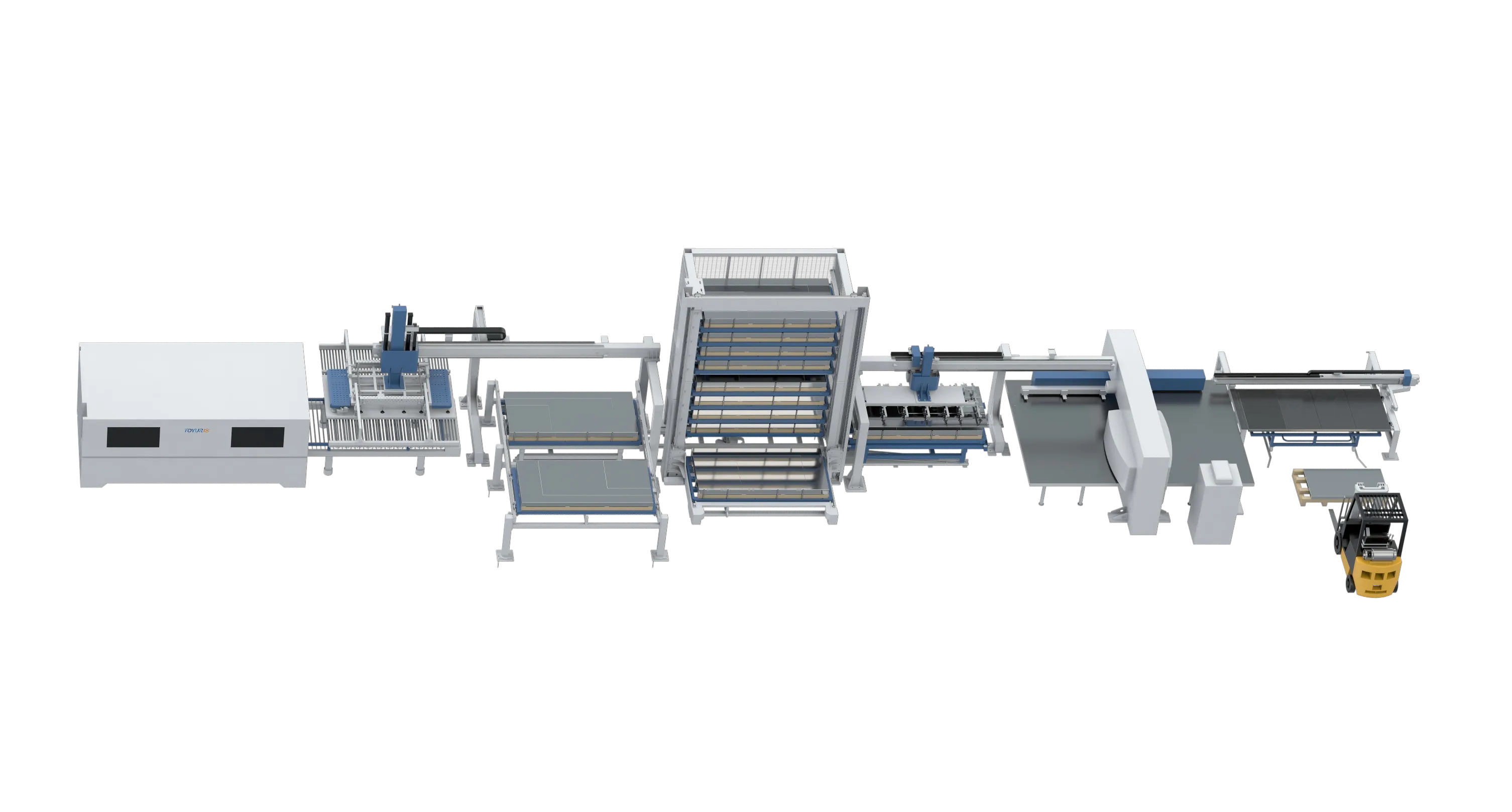
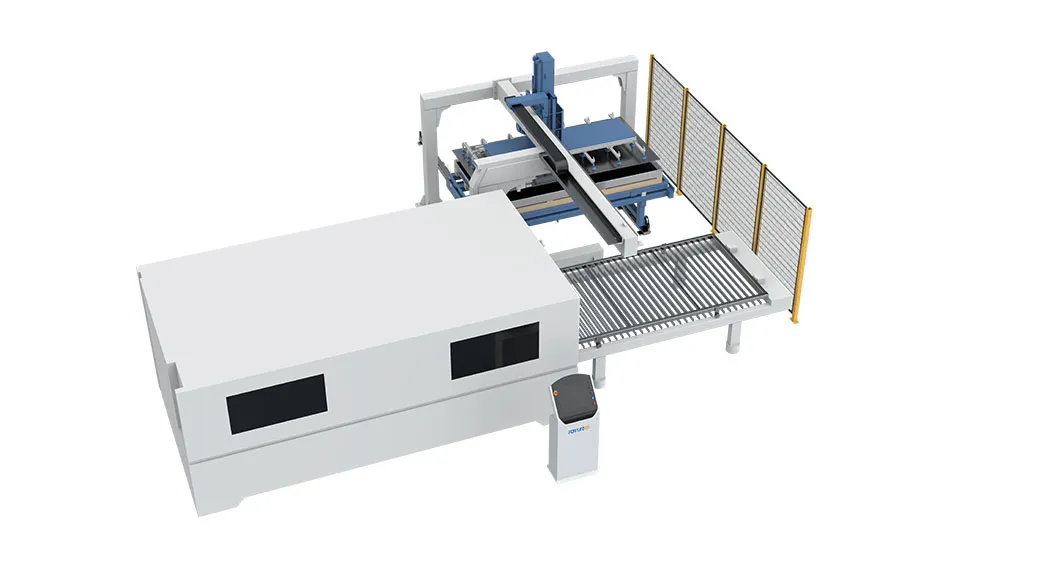
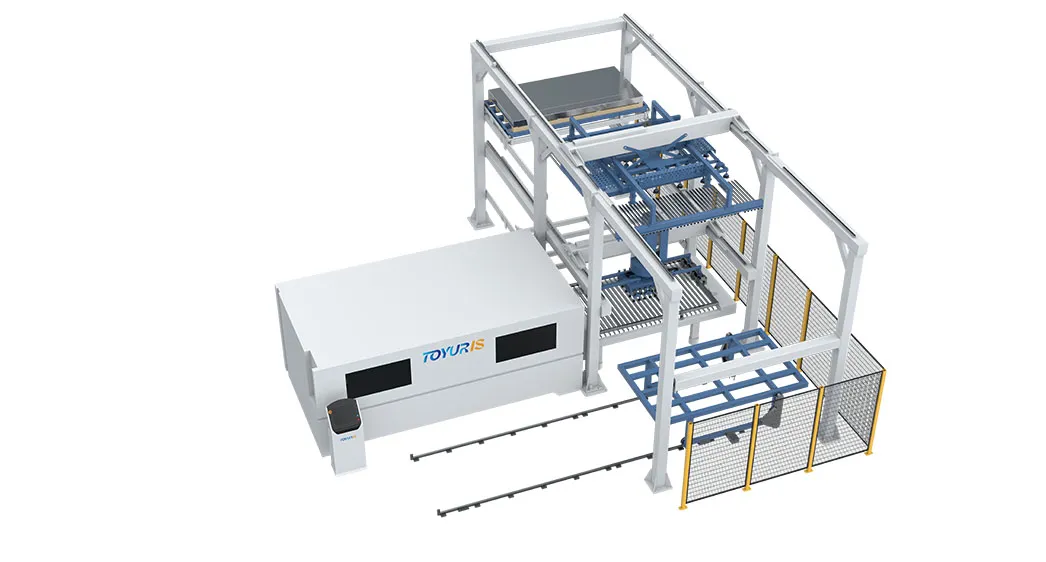
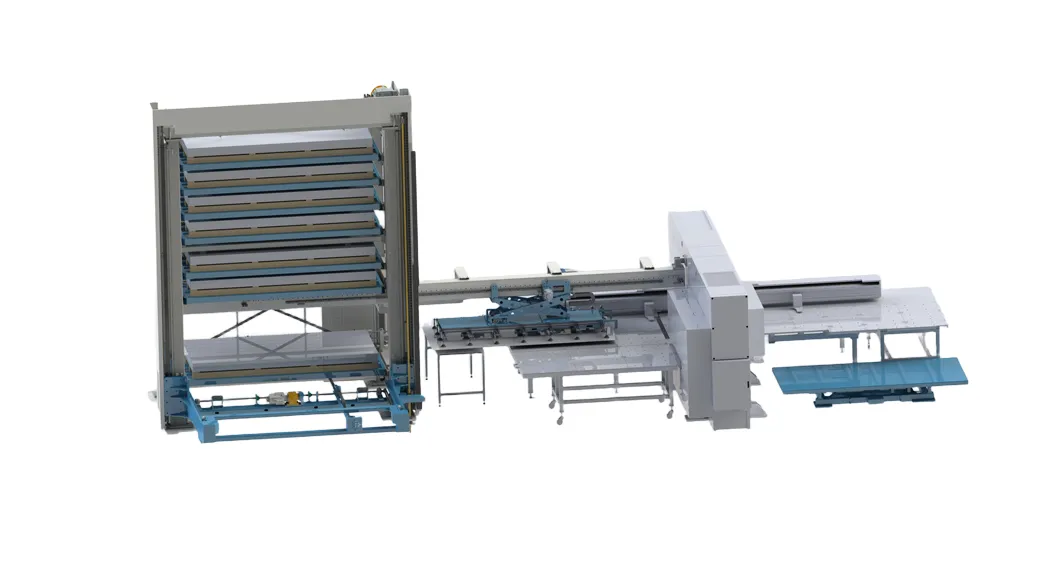
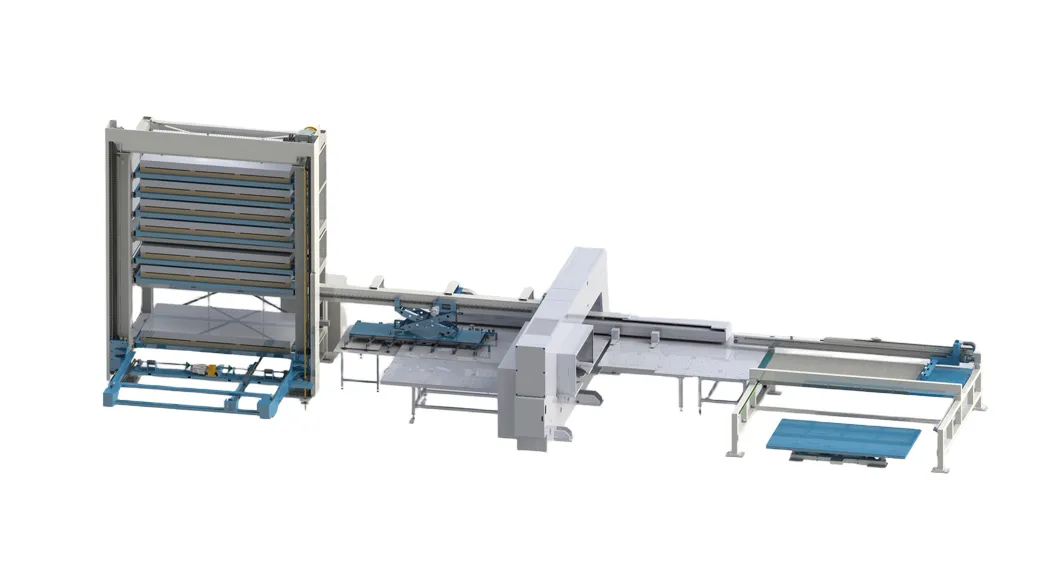
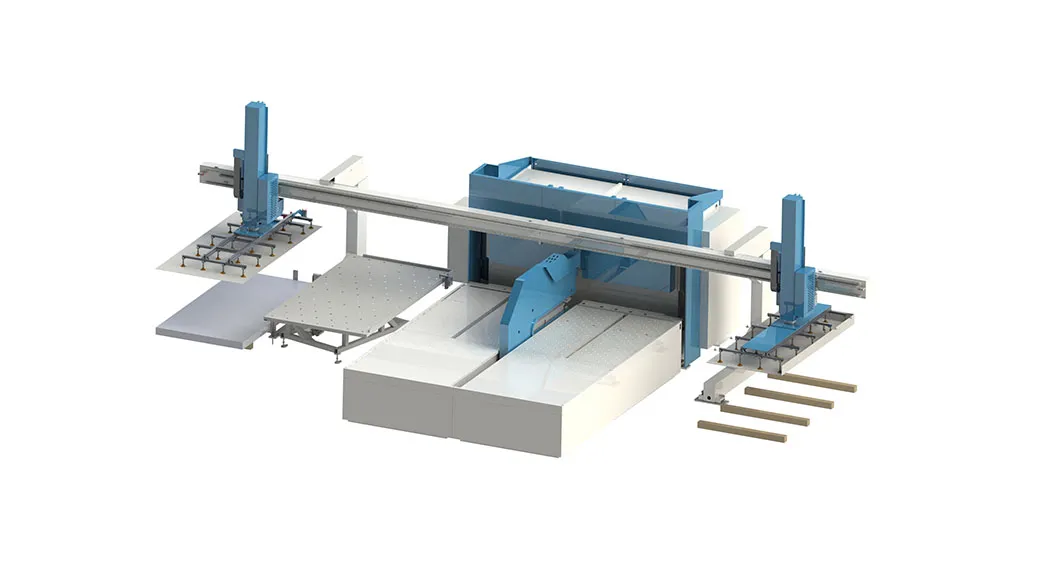
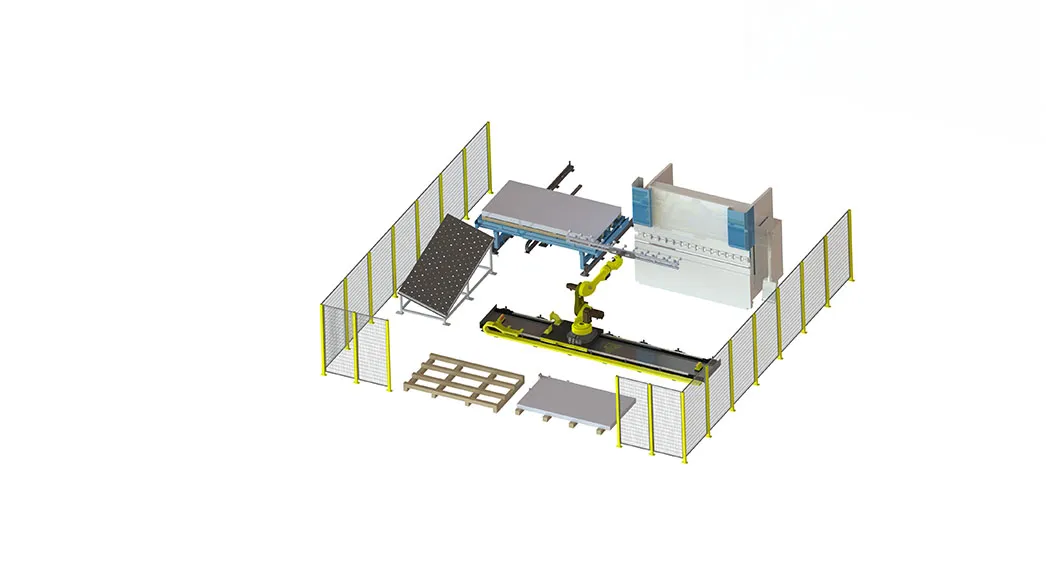
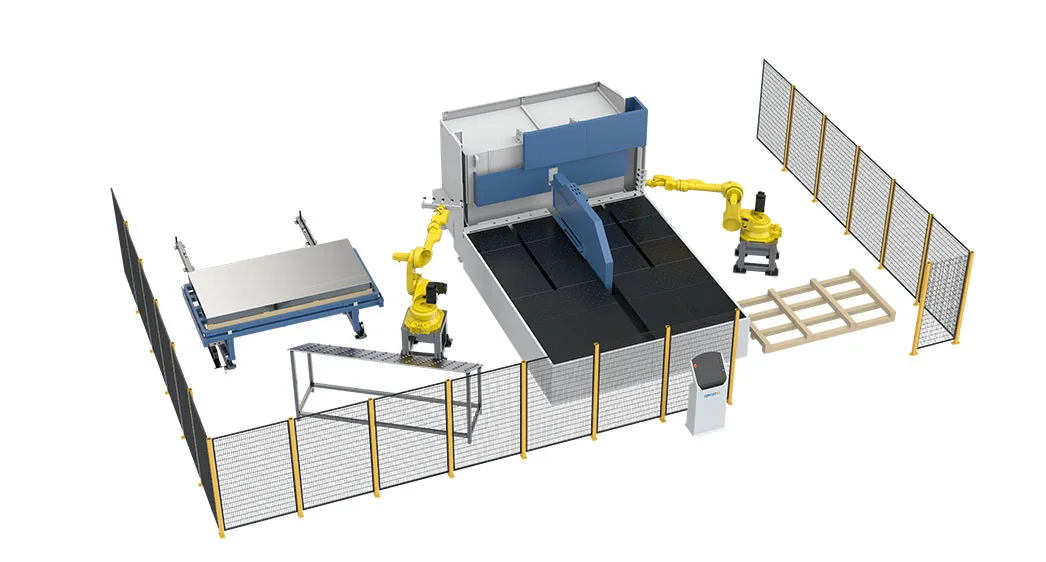
Factories that stamp, punch, or nibble sheet metal often reach the same decision point: keep a standalone CNC punch press with operator-based handling, or move toward an automated punch press line that integrates loading, unloading, pallet flow, and digital production control. The answer is rarely about buying the “most advanced” machine. It is about selecting the production model that best matches order mix, labor conditions, factory layout, growth targets, and the level of process stability the business needs.
For many buyers, the wrong decision does not fail immediately. A standalone machine may run well for months and still hide losses in sheet preparation, waiting, unloading, part sorting, remnant movement, or operator dependency. At the same time, a highly automated line may look impressive but create unnecessary capital pressure if the plant mainly runs short prototype batches or irregular job-shop work. A useful comparison therefore needs to move beyond brochure language and compare the two options at the level of labor, throughput, quality control, information flow, and investment recovery.
This guide explains how a standalone CNC punch press differs from an automated line, where each model performs best, what numbers should be measured before purchase, and how Toyuris approaches project planning. It is written for engineering managers, factory owners, and sourcing teams who need a practical decision framework rather than vague sales claims.
In many projects, buyers also compare punching with connected downstream processes. For example, once punching output increases, the next bottleneck may shift to automated sheet metal bending or to internal logistics. That is why the right decision must be evaluated as part of the whole factory rather than as a machine-only choice.
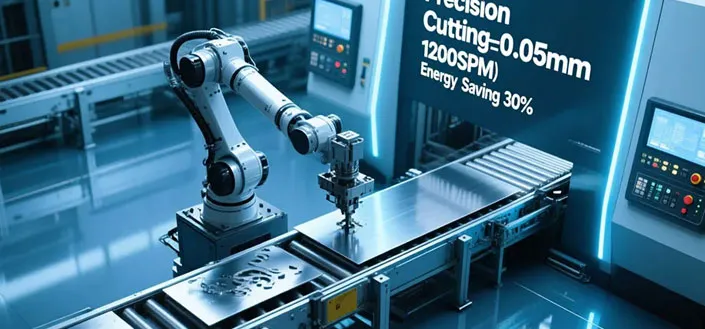
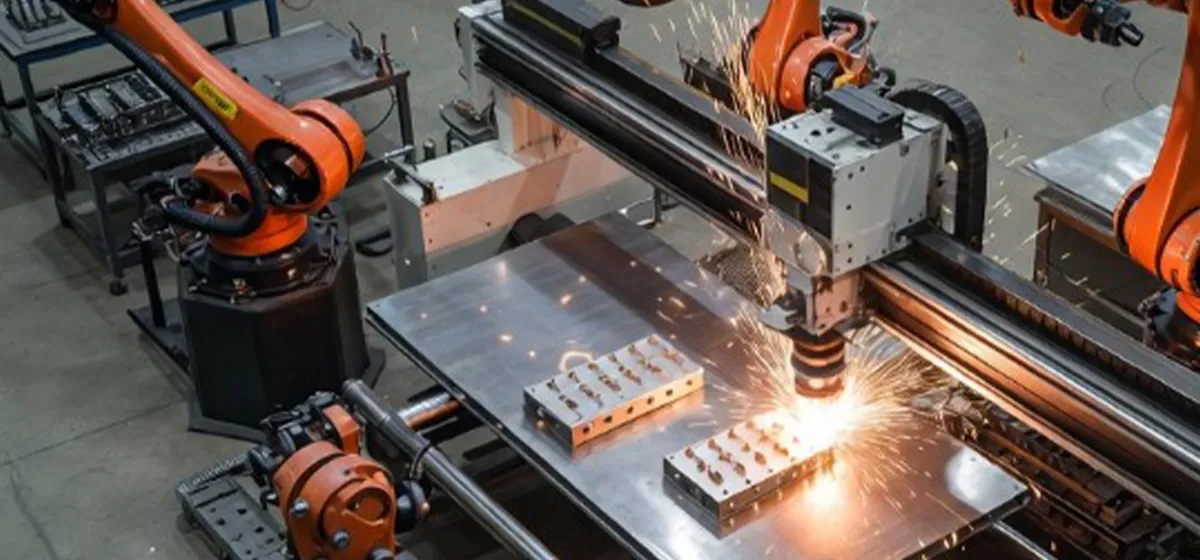
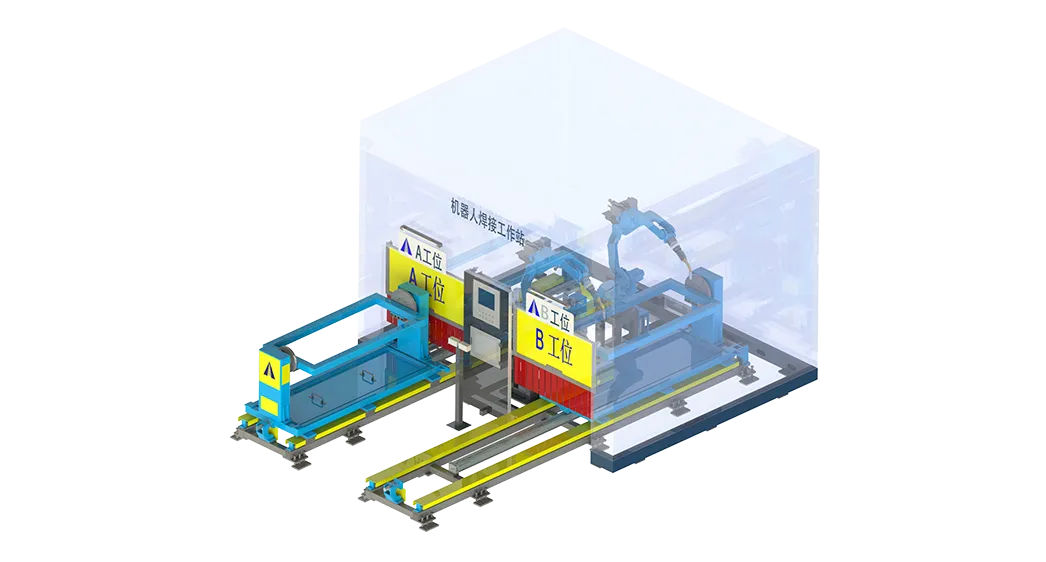
An automated punch press is a punching system that combines the CNC punch machine with material handling, loading, unloading, storage, pallet flow, guarding, and often software integration to reduce operator intervention and stabilize cycle time.
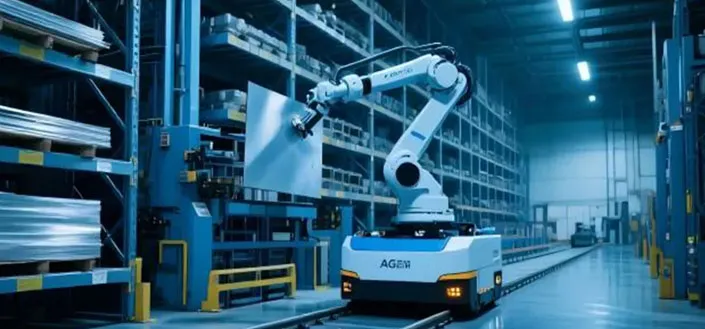
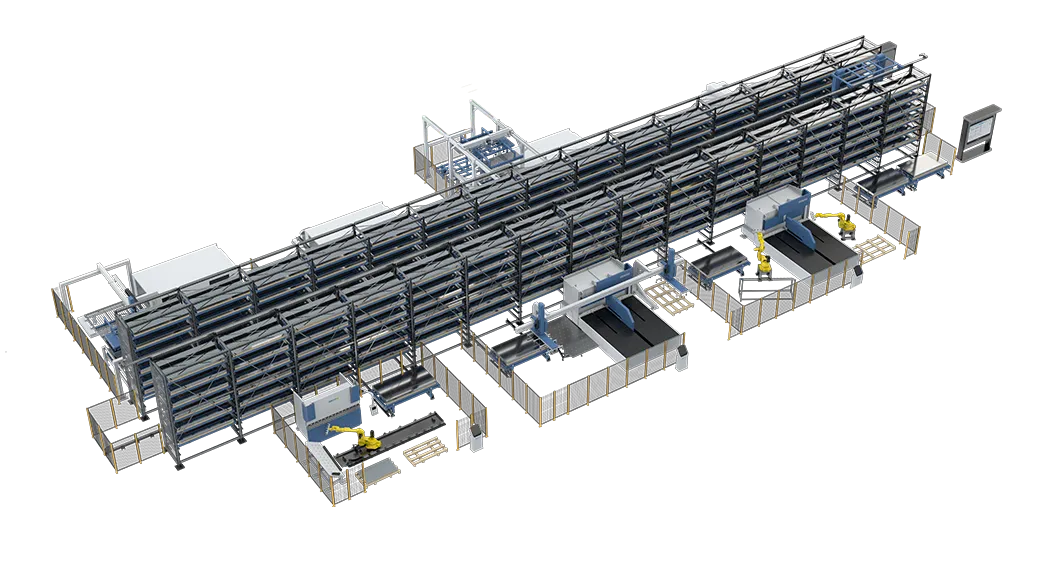
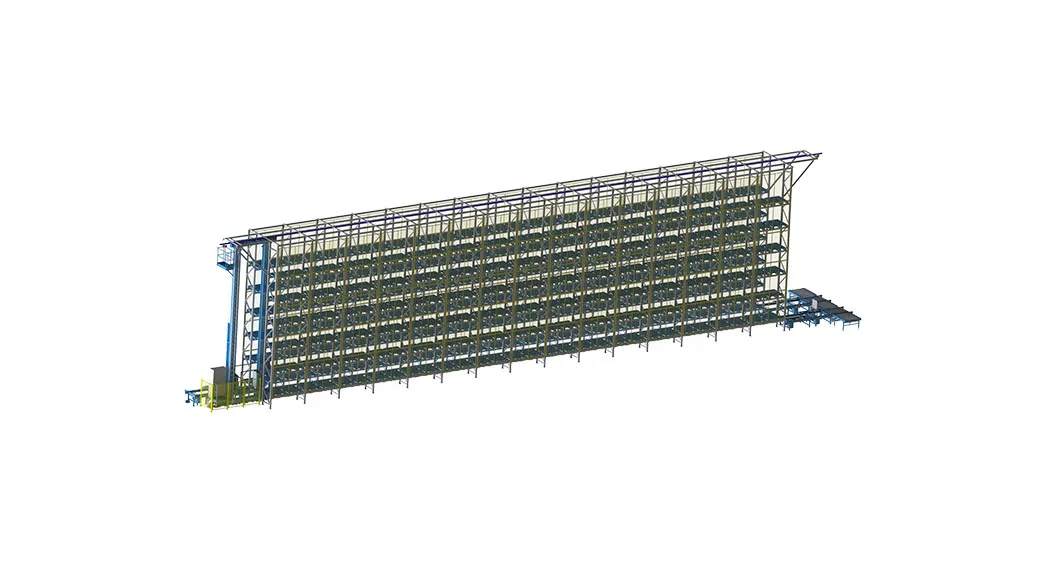
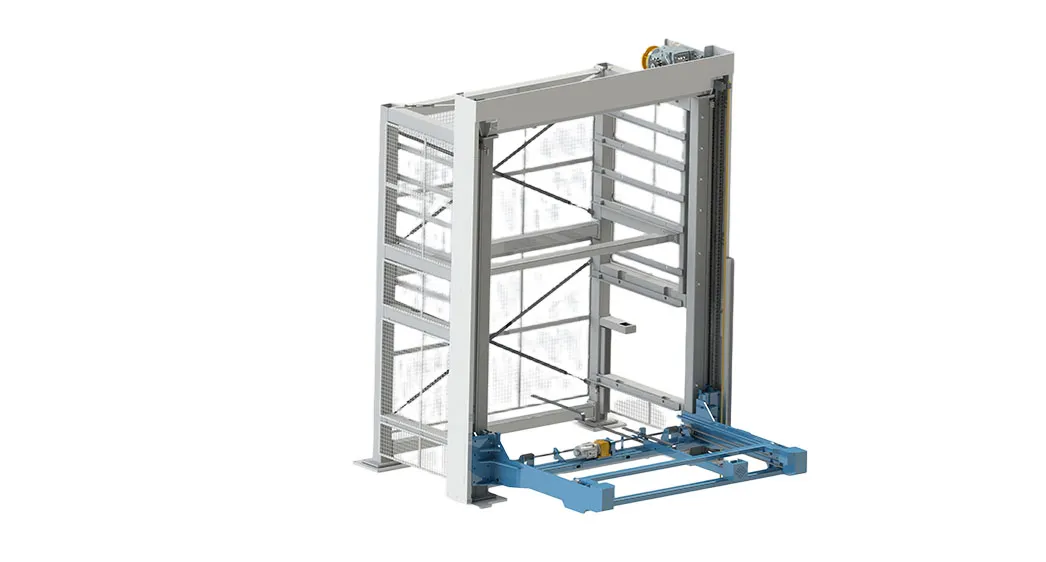
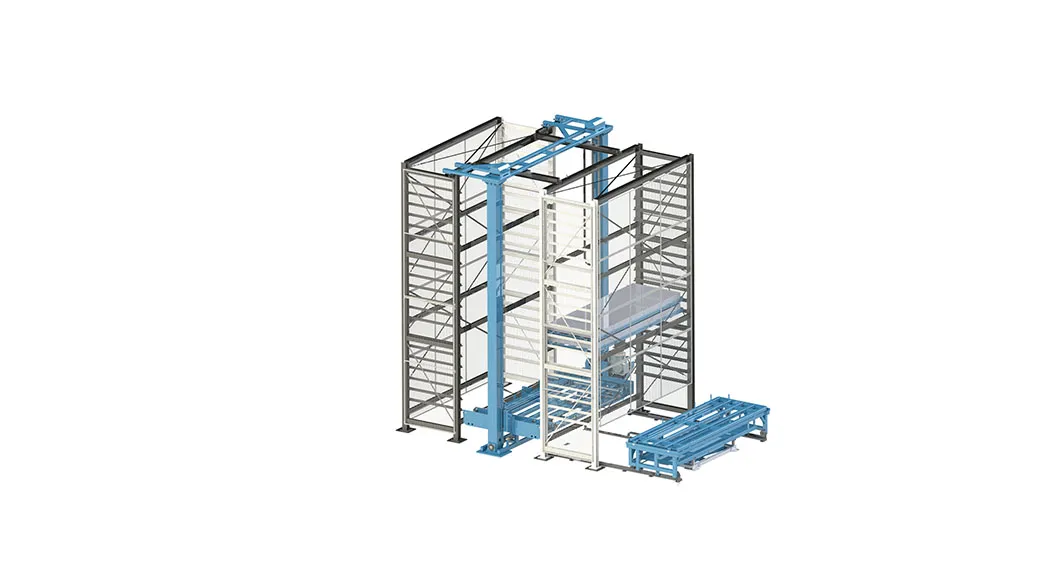
The core idea is simple: the punch press should spend more scheduled time producing acceptable parts and less time waiting for a sheet, an operator, or a material movement decision. Depending on scope, the automation package may include sheet separation, automatic loading arms, suction devices, pallet stations, part unloading, scrap handling, tower storage, and interfaces with production software or MES. In advanced installations, the punch press becomes one node in a broader smart sheet metal system rather than a stand-alone machine.
That does not mean every automated line is “lights out” or fully unmanned. In practice, automation exists on several levels. Some systems only automate raw sheet loading. Others add unloading and sorting. Some connect the machine to automatic storage, forklift routes, or digital scheduling. The right level depends on where the current losses occur. If the main problem is labor-heavy sheet loading, a compact automatic loader may already create meaningful value. If the plant struggles with material search, operator delays, and inconsistent night output, a more integrated line can be justified.
For buyers, the most important thing is to define scope clearly. Two suppliers may both offer an “automated punching system” while one includes only a basic loader and the other includes full storage, unloading, and MES communication. The commercial quotation should therefore describe not just the machine model, but also every automated mission, interface, assumption, and acceptance target.
A standalone CNC punch press is a punch machine that performs programmed punching operations but relies mainly on human handling for loading, unloading, part movement, and many production-support tasks.
Standalone systems remain highly relevant. In job shops, prototype environments, or factories with irregular part families, they offer a level of manual flexibility that can be valuable. Operators can react quickly to urgent jobs, unusual sheet formats, or engineering changes. The machine can often be introduced with lower capital cost, simpler commissioning, and fewer software dependencies than a full automation project.
However, a standalone machine also moves much more responsibility to people. Operators may need to retrieve the correct sheet, align it, start the program, clear completed parts, separate scrap, move remnants, and report status. Each of these tasks takes time and introduces variation. A machine that looks technically fast may still deliver lower daily output if the handling process around it is inconsistent.
Many factories underestimate this gap because they focus on the punching cycle itself. Yet total shift performance depends on the entire work loop. If a machine can process a nest in six minutes but waits three minutes for loading and five minutes for unloading and part clearing, the system output is no longer defined by the punch head alone. That is why standalone equipment should be evaluated at the process level, not only by machine specifications.
The core difference between an automated punch press and a standalone CNC punch press is not the punching principle, but the degree to which material flow, operator dependency, and production variability are controlled outside the machine.
A standalone machine concentrates value in the CNC unit itself. An automated line spreads value across the machine plus the upstream and downstream workflow. That difference affects planning, staffing, layout, maintenance, and capital budgeting. It also changes what buyers should measure. With a standalone machine, the key management challenge is usually people and material coordination. With an automated line, the challenge shifts toward system balance, interface control, and project discipline.
| Evaluation Point | Standalone CNC Punch Press | Automated Punch Press Line |
|---|---|---|
| Material loading | Usually manual or forklift-assisted | Automatic or semi-automatic loading with repeatable cycle |
| Operator dependency | High | Lower for repetitive handling tasks |
| Cycle stability | Varies by shift and operator skill | More predictable once tuned and balanced |
| Output scalability | Limited by handling labor and coordination | Higher when demand and line balance justify it |
| Night production | Difficult for long unattended periods | More feasible with storage, loading, and monitoring |
| Initial investment | Lower | Higher |
| Project complexity | Lower | Higher because of layout, guarding, interfaces, and acceptance scope |
| Best fit | High-mix, shorter runs, budget-sensitive shops | Repeatable volume, labor pressure, capacity expansion, smart factory plans |
In practical terms, the automation decision should be linked to what the business is trying to improve. If the plant already meets output targets and labor is stable, a standalone machine may remain the better financial choice. If the plant loses productive time because of manual loading and unloading, or if the company cannot recruit and retain operators for two-shift work, automation often becomes more compelling.
Buyers should also remember that the “better” option can change over time. A standalone machine may be the correct step for a newer factory, while the same factory may outgrow it as order volume increases. The best decision is therefore the one that fits both current operations and a realistic growth path over the next three to five years.
Throughput changes with an automated punch press because automation reduces non-punching time and makes the total cycle more consistent across shifts and job sequences.
Throughput should never be evaluated by machine hits per minute alone. A better measure is completed sheets, completed parts, or completed orders per shift. Consider an illustrative eight-hour shift. If a standalone system spends an average of 4.5 minutes punching and 3 minutes on loading, unloading, and handling, the full system cycle becomes 7.5 minutes per sheet. In a theoretical uninterrupted shift, that equals about 64 sheets. If an automated line shortens the non-punching portion from 3 minutes to 1.5 minutes while keeping punching time similar, the cycle becomes 6 minutes per sheet, or about 80 sheets per shift. That difference is 16 additional sheets before accounting for breaks, alarms, or quality losses.
Another useful metric is recovered productive time. If manual loading delays average 15 minutes per hour across multiple interruptions, the plant loses 2 hours in an eight-hour shift. Reducing those delays by even half returns 1 productive hour. Over 250 working days, that becomes 250 hours of additional capacity. If the machine is a true bottleneck, those recovered hours can carry real financial value.
Automation also reduces variation. A good operator on a good day may match part of an automated cycle. The problem is not peak performance; it is daily consistency. When production planning depends on promised lead time, predictable cycle time is often more valuable than isolated fast runs.
This is one reason many factories pair punching with logistics planning. Once punch output becomes more predictable, internal flow to automated warehouse system links, staging areas, and downstream cells can be organized with much more confidence.
Labor, safety, and shift management differ because standalone systems depend more heavily on manual sheet movement, while automation relocates human work from repetitive handling toward supervision, setup, quality, and exception management.
Labor savings are often discussed too loosely. Automation does not always “remove” labor in a cash sense. In many factories it reassigns people. A two-person handling pattern may become one operator plus periodic supervision, or staff may be moved to bending, welding, or quality work. The financially correct question is whether automation reduces overtime, avoids new hires, shortens dependence on temporary labor, or allows the same team to support more output.
Safety is equally important. Manual sheet handling introduces ergonomic strain, risk of edge contact, and forklift interaction. Large or thin sheets can be awkward to align repeatedly, especially in multi-shift operations. An automated line does not eliminate all risk, but it typically reduces repeated manual lifting and decreases operator presence in the highest-frequency motion zone. In exchange, the factory must manage safeguarding, interlocks, maintenance access, and recovery procedures much more carefully.
Shift management often becomes easier once handling routines are standardized. An automated line can perform more predictably across day and night shifts because the critical timing is less dependent on individual operator rhythm. That can be extremely valuable in regions where skilled labor turnover is high or where two-shift operation is hard to staff consistently.
Still, buyers should not expect automation to work without capable people. The skill requirement changes. Instead of emphasizing manual dexterity alone, the operation now depends more on setup discipline, alarm handling, preventive maintenance, and digital job control.
Product mix affects the choice because automated punch press lines deliver the best value when order flow is repeatable enough to benefit from stable handling routines, while standalone machines can absorb unusual or constantly changing work more easily.
Factories with long or medium repeat runs usually benefit more from automation than extremely irregular job shops. If the plant processes recurring part families, consistent sheet sizes, and predictable material groups, automation can reduce routine movement without creating excessive change-management overhead. The same is true for plants that run two or three shifts with similar work patterns.
In contrast, a shop that handles many one-off orders, very short batches, or frequent engineering changes may still prefer a standalone machine. Manual intervention can be more practical when every day brings a different mix of odd parts, partial sheets, urgent prototypes, and customer-driven schedule changes. Automation can still work in high-mix conditions, but the project needs stronger scheduling rules, remnant logic, and exception handling.
Factories should examine at least four weeks of actual order history before making a decision. Review batch size distribution, material families, sheet sizes, urgency frequency, remnant use, and the percentage of jobs that require special handling. If 70% of the weekly volume comes from repeatable jobs, automation may be highly attractive even if the remaining 30% is irregular. If almost every order is a special case, the business case becomes more selective.
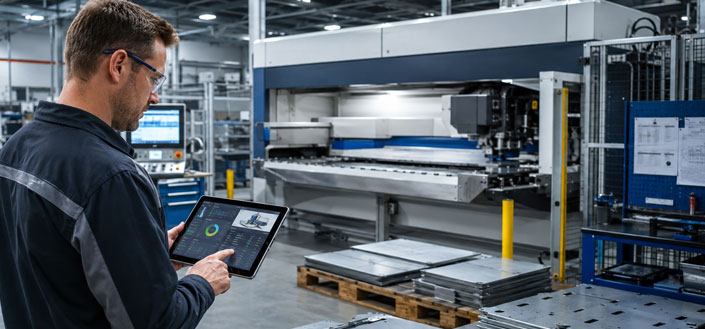
Quality, traceability, and digital control change because automated punch press systems make it easier to standardize material identity, sequence control, and production reporting across repeated operations.
In a standalone environment, information is often scattered. An operator may know which sheet is next, where the remnant was placed, or which job was interrupted, but that knowledge may not be captured consistently. Automation forces the process to become more explicit. Pallets, sheet types, program versions, and machine states must be defined clearly for the system to operate reliably. As a result, traceability often improves.
This matters when customers require stable documentation, or when internal management wants better scheduling accuracy. If a plant is moving toward broader automated punch press planning with MES or shop-floor dashboards, automation on the machine side creates a stronger foundation for consistent data. It becomes easier to measure queue time, cycle time, completed quantity, downtime reason, and shift performance without relying solely on manual reporting.
Quality benefits are usually indirect. Automation does not magically improve punching physics, but it helps the machine receive material in a more repeatable way and reduces random handling variation. That can lower the risk of scratched sheets, mis-sequenced orders, or interrupted runs. The key is to define which quality checkpoints remain manual and which can be standardized or digitized.
Space, utilities, and maintenance matter because an automated punch press line requires not only the machine footprint, but also loading zones, pallet positions, safety guarding, service clearance, and sometimes connected storage or software infrastructure.
Many automation projects fail in concept review because teams focus on equipment length and forget operating envelope. An automated loader or unloading station needs approach space. Pallet staging needs floor area. Guarded zones must allow safe access without blocking other traffic. Maintenance must still be possible. If the factory plans future expansion, reserve space should also be considered.
Utilities can also expand. Additional sensors, vacuum systems, power circuits, or compressed air requirements may apply. If the line is connected to storage or digital supervision, network reliability becomes more important. None of this makes automation unattractive; it simply means the scope must be planned accurately at the start.
Maintenance philosophy also changes. A standalone machine concentrates maintenance on the punch unit and its direct support systems. Automation adds loading components, movement devices, suction points, guarding devices, and interface controls. That means more components to inspect, but it also means production becomes less dependent on ad hoc manual effort. Buyers should ask not just about spare parts, but about preventive maintenance intervals, recovery procedure clarity, and training depth.
The best factory profile for a standalone CNC punch press is a flexible, lower-capital, high-mix environment, while the best profile for an automated punch press line is a factory facing volume growth, labor pressure, repeatable material flow, or a smart-factory expansion plan.
A standalone machine is usually a strong fit when the company is still building order diversity, when batches are short, when operators are experienced and stable, or when capital needs to be tightly controlled. It can also be the right answer when the company wants fast installation with limited infrastructure changes.
An automated line is usually a stronger fit when one or more of the following conditions are true: the punch press is a capacity bottleneck; the factory wants longer unattended or low-intervention runs; labor shortages are persistent; the product mix has significant repeat volume; or management wants a scalable path toward integrated production. In those cases, the question is no longer whether automation looks sophisticated. The question becomes how much current loss is worth recovering and which level of automation creates the best return.
A useful internal check is this: if your plant regularly loses schedule confidence because of loading delays, operator availability, or inconsistent shift output, automation deserves serious evaluation. If your plant mainly needs flexible, irregular work handling and already has stable staffing, standalone equipment may remain the better fit.
Toyuris plans an automated punch press project by evaluating product mix, handling losses, site layout, future workflow, and desired automation scope before recommending a machine-and-system configuration.
That approach matters because the machine alone does not define project value. Toyuris typically needs order structure, material details, shift model, current bottlenecks, layout constraints, and downstream process information before building a serious proposal. The right concept may be a compact load/unload cell, a broader automated line, or a phased project that begins with the punch press and expands toward storage or connected logistics later.
Buyers should ask every supplier to make assumptions visible. How many pallet positions are included? What sheet range is assumed? Is unloading included? What downtime categories are excluded from performance claims? Are remnant rules defined? What recovery plan exists if material handling stops? Clear answers create comparable quotations and reduce unpleasant surprises during commissioning.
For factories already thinking beyond one process, Toyuris can also align punching decisions with sheet metal bending, welding, and logistics planning. That is especially useful when punching automation is expected to change the load on later operations.
Choosing between an automated punch press and a standalone CNC punch press is really a choice between two production models: operator-centered flexibility and system-centered repeatability.
Neither model is universally superior. A standalone machine remains highly effective when flexibility, budget control, and manual adaptability are the main priorities. An automated line becomes more attractive when handling losses, labor pressure, output stability, or smart-factory planning start limiting the business. The right decision should therefore be built on order data, handling losses, layout realities, and realistic financial goals rather than on machine prestige.
If your factory wants to move the discussion from abstract features to a workable project scope, the next step is to measure current cycle losses, define product mix clearly, and compare at least one conservative automation scenario against your present method. That is where a well-structured technical review creates real value.
These FAQs summarize the commercial and technical questions most buyers ask before finalizing a punching investment.
No. The punching unit itself may be similar, but the automated line is usually faster at the system level because it reduces handling time and variation around the machine.
Automation makes the most sense when the plant has repeatable production, significant handling losses, labor pressure, or a need for higher schedule reliability and scalable output.
Yes. For high-mix work, prototypes, frequent engineering changes, or tighter investment budgets, a standalone machine can be the more appropriate and more profitable solution.
Compare full system cycle time, loading and unloading losses, recovered productive hours, labor pattern, batch size distribution, and the percentage of repeat work.
Not always in direct cash terms. In many plants, the main benefit is reduced overtime, avoided new hires, or redeployment of staff to other constrained processes.
Yes. It can be connected to storage, scheduling, quality reporting, and broader smart-factory workflows when the project is planned with clear data ownership and process rules.