What are you looking for?
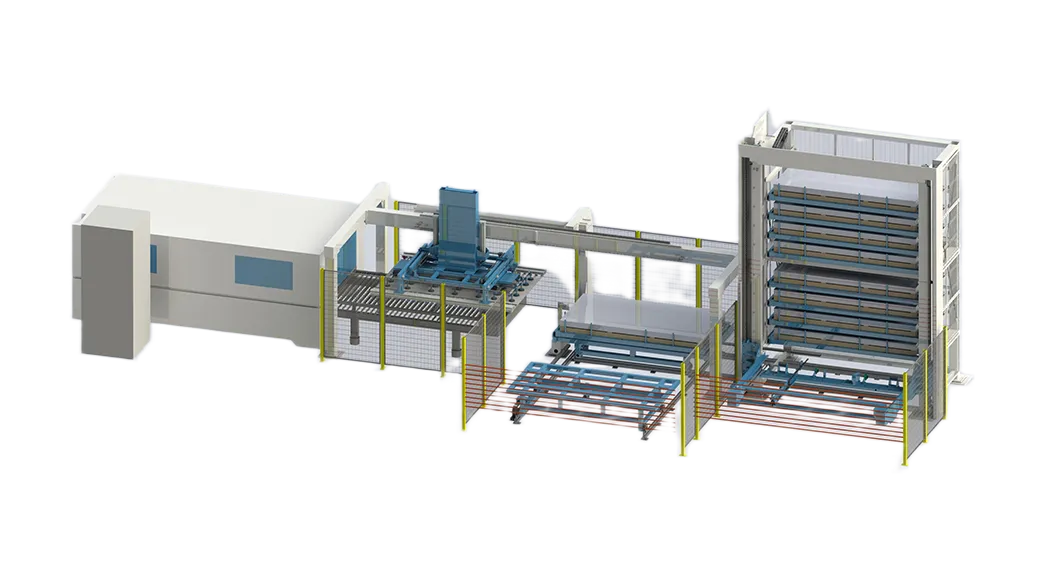
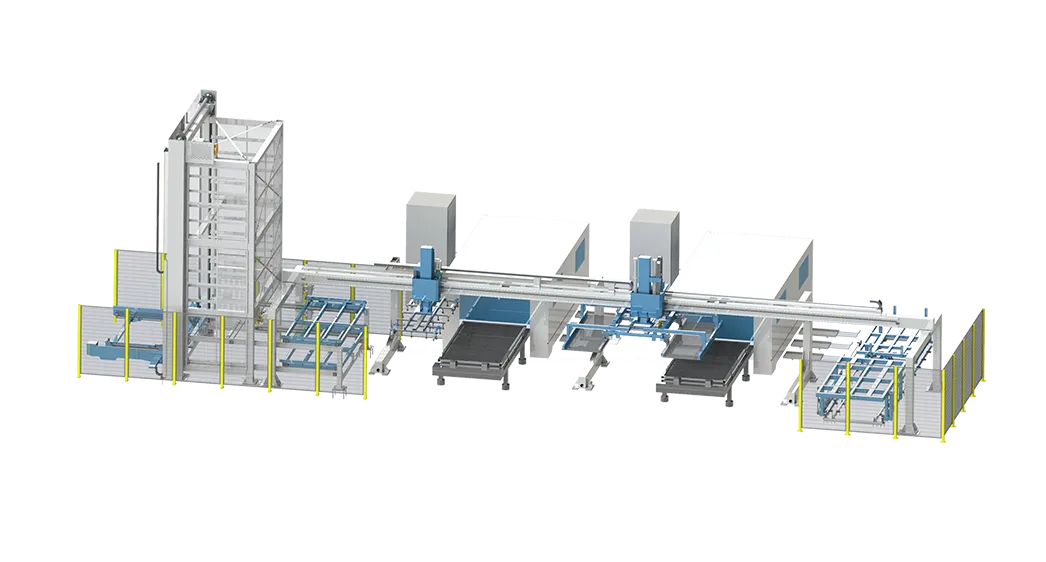
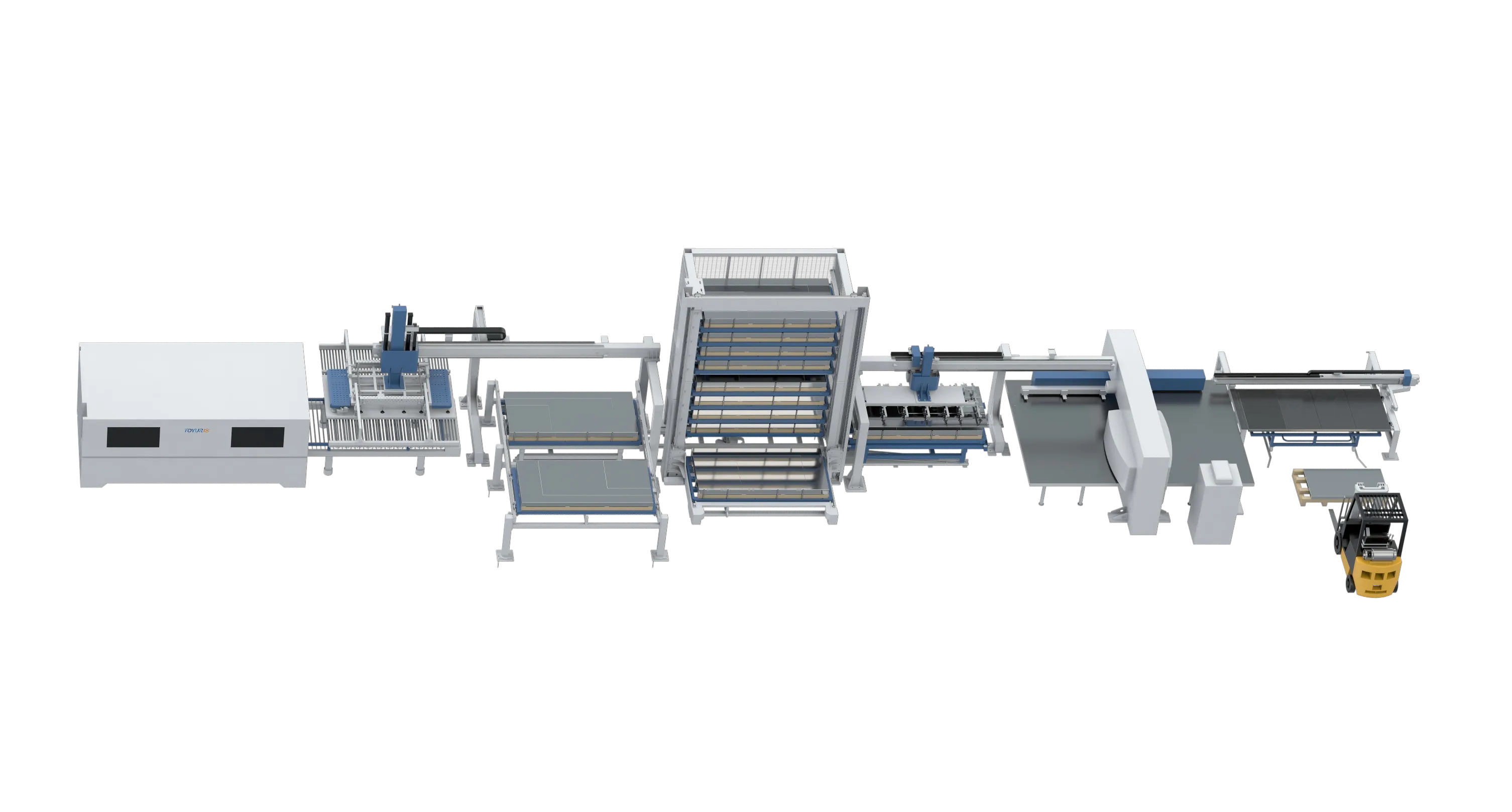
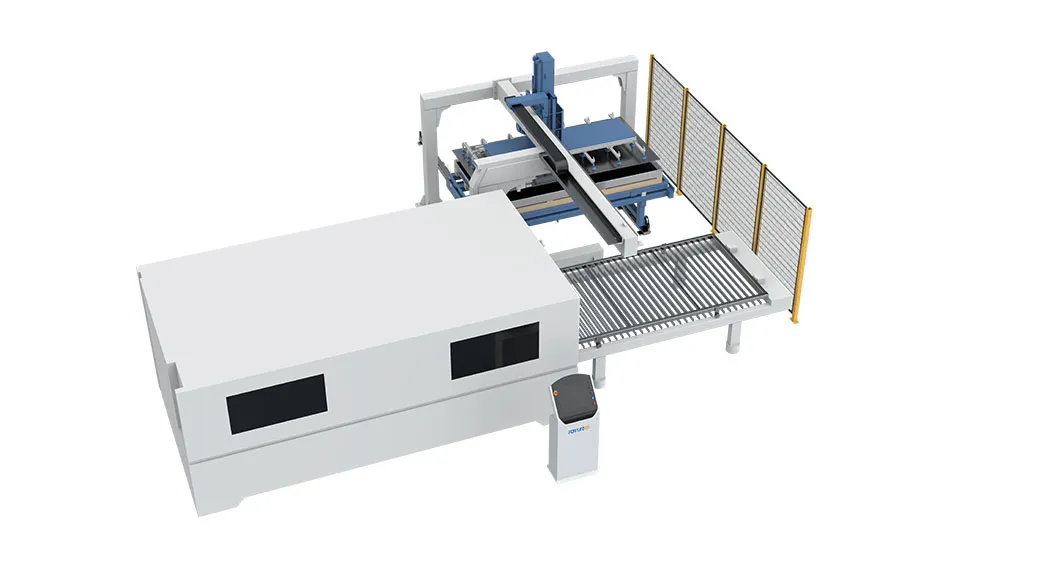
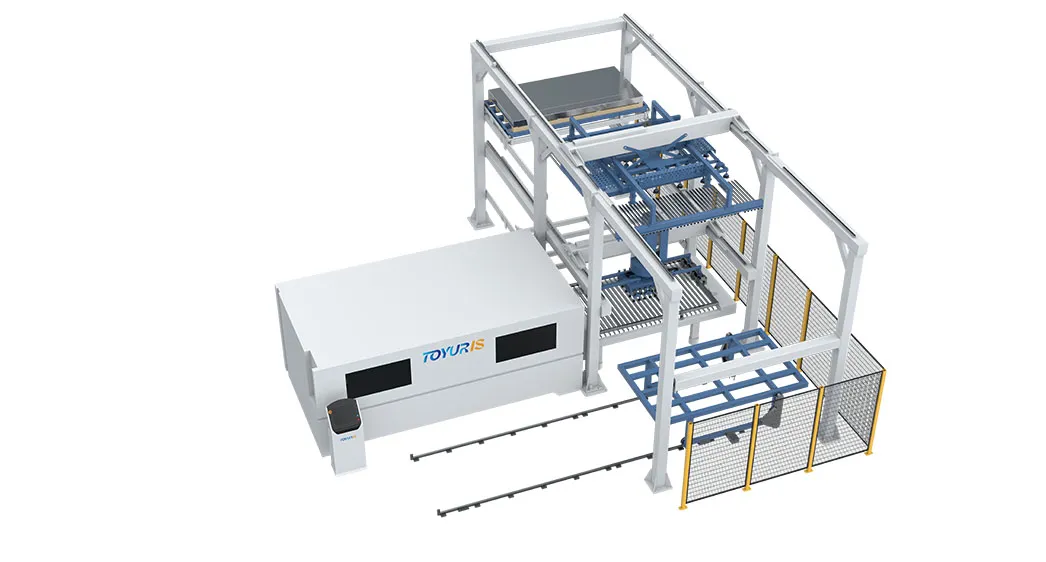
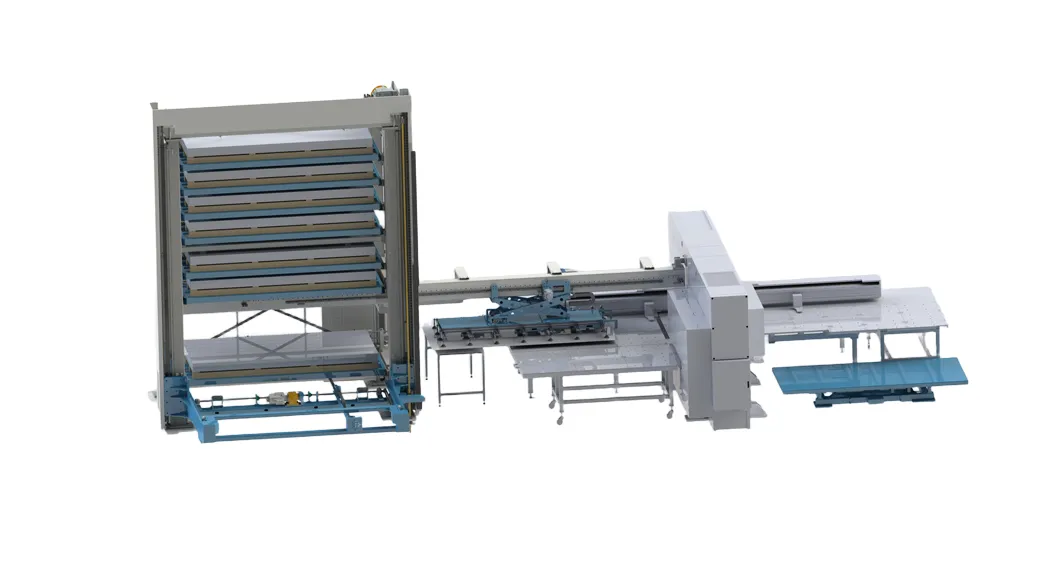
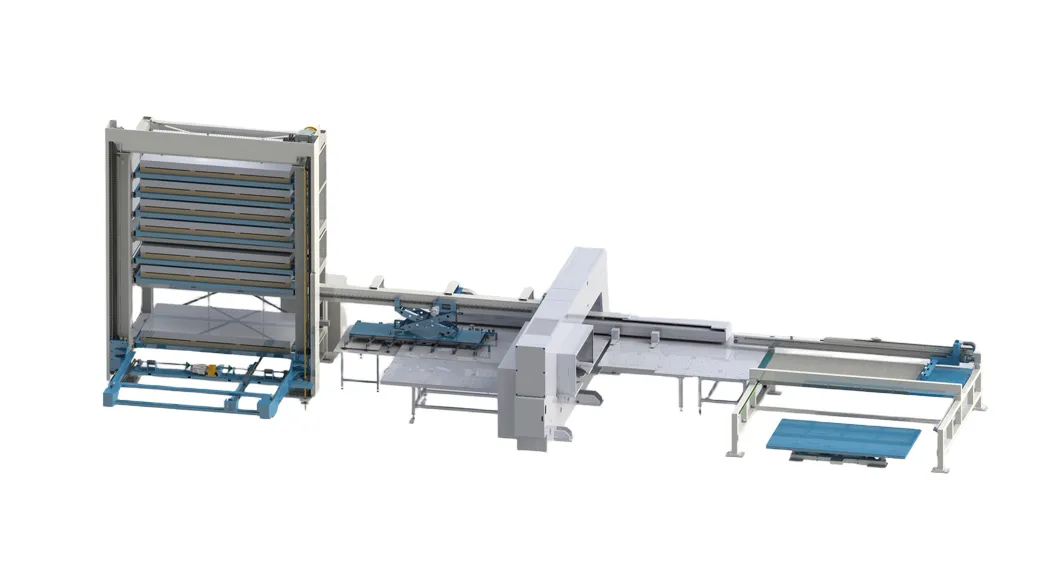
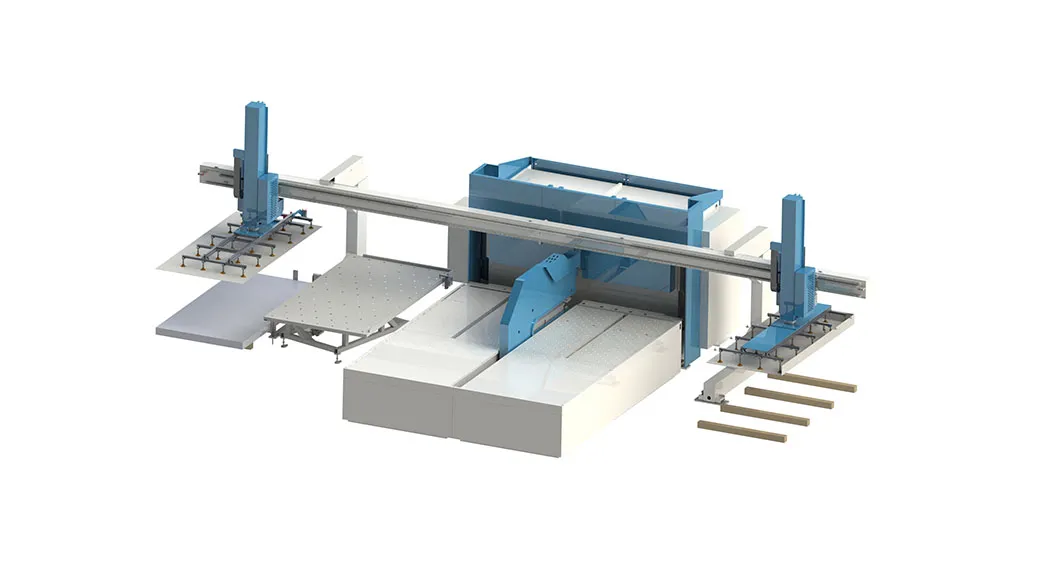
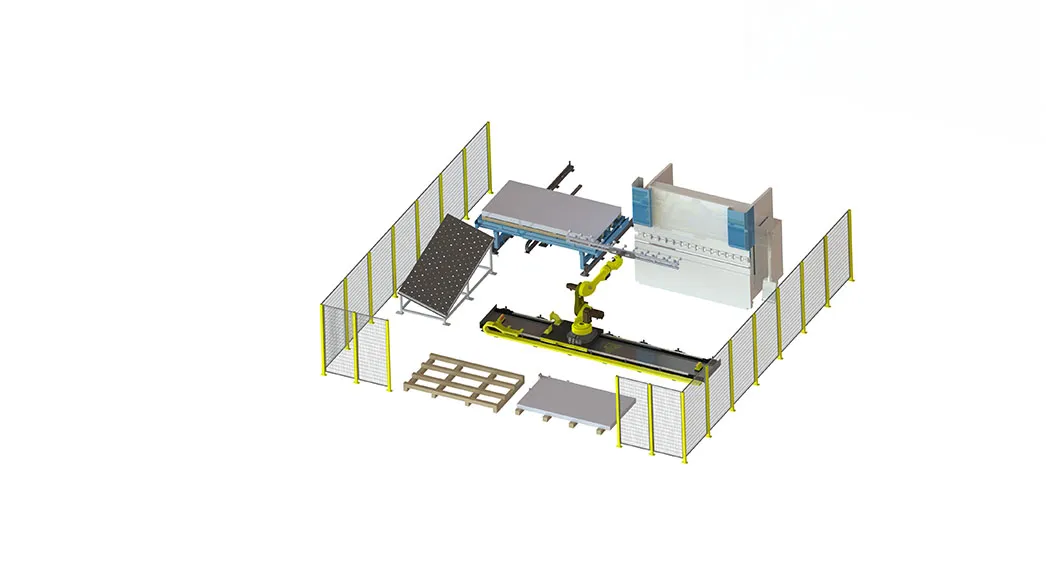
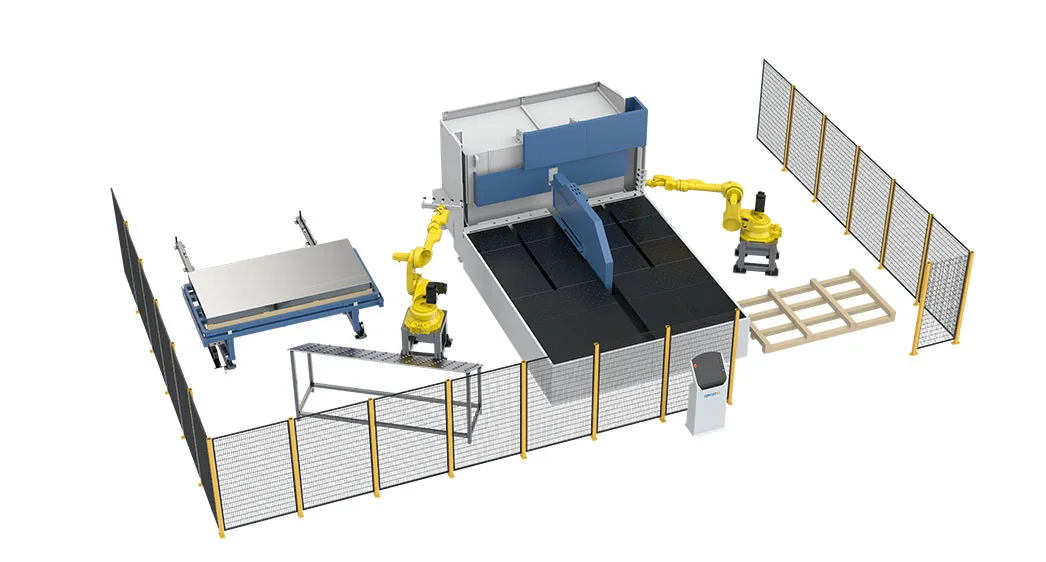
Choosing an automatic CNC punching machine supplier is not the same as choosing a standard machine from inventory. For most industrial buyers, the project involves not only the punch press itself, but also automation scope, material handling, software connection, safety design, training, service, and long-term support. That is why the supplier evaluation process should be technical, structured, and evidence-based.
In many tenders, suppliers look similar on paper. They all mention productivity, automation, and quality. Yet the real differences appear in details: how the line handles specific material thicknesses, whether the loading system matches the customer’s sheet range, how part unloading is defined, what is included in FAT and SAT, how spare parts are managed, and whether the supplier can clearly explain recovery procedures when the system stops. A disciplined checklist prevents expensive surprises later.
This guide gives industrial buyers a practical supplier evaluation framework for automatic CNC punching machine projects. It is intended for procurement teams, project managers, and technical decision makers who need to compare vendors in a transparent way. It also explains how Toyuris can support structured technical review during early-stage evaluation.
An automatic CNC punching machine supplier evaluation checklist is a structured set of technical, commercial, and project-delivery criteria used to compare suppliers beyond brochure specifications.
The checklist turns a vague sourcing exercise into a controlled decision process. Instead of asking “Which supplier looks strongest?” the team asks more specific questions: Which supplier best matches our material range? Which supplier has the clearest automation boundary? Which supplier can prove cycle assumptions? Which supplier gives the most confidence in commissioning and support? By organizing the decision this way, buyers can compare different proposals on a more equal basis.
The best checklist is not generic. It reflects the intended application. A factory that processes medium-volume repeat work in steel sheets may evaluate suppliers differently from a job shop with irregular stainless orders. A plant that plans future smart-factory expansion may give more weight to digital interfaces than a buyer whose main concern is fast installation and quick payback. The checklist should therefore be customized, but the core evaluation categories are usually similar across projects.
The most important supplier capabilities are engineering fit, automation competence, application experience, service depth, and the ability to define project assumptions clearly.
Machine speed alone is not enough. A strong supplier should demonstrate that it understands sheet metal production, not just machine sales. That includes material handling logic, part-flow challenges, downstream impacts, and the practical reasons why factories choose automation. Buyers should look for suppliers that ask good questions early: What is the batch mix? What are the current losses? What is the required level of unloading or sorting? What space and safety constraints exist? Suppliers who skip these questions may be pushing standard equipment without enough regard for project fit.
Capability also includes delivery discipline. A technically attractive machine is not enough if the supplier cannot manage drawings, schedules, acceptance tests, training, or support response. For this reason, many buyers assign weighted scores to core areas rather than relying on a single subjective ranking.
Machine compatibility and automation scope should be evaluated by checking whether the supplier’s proposed system matches the customer’s actual sheet range, part requirements, handling pattern, and future workflow.
Start with the application envelope. What sheet dimensions, thicknesses, materials, and part families will the line process? Does the supplier’s proposal cover that envelope as standard, or are there hidden limitations? If thin stainless sheets, coated material, or heavy stacks are common, the loading and separation system must be able to handle them reliably. Buyers should request clarity on minimum and maximum sheet size, loading weight, and assumptions around pallet condition.
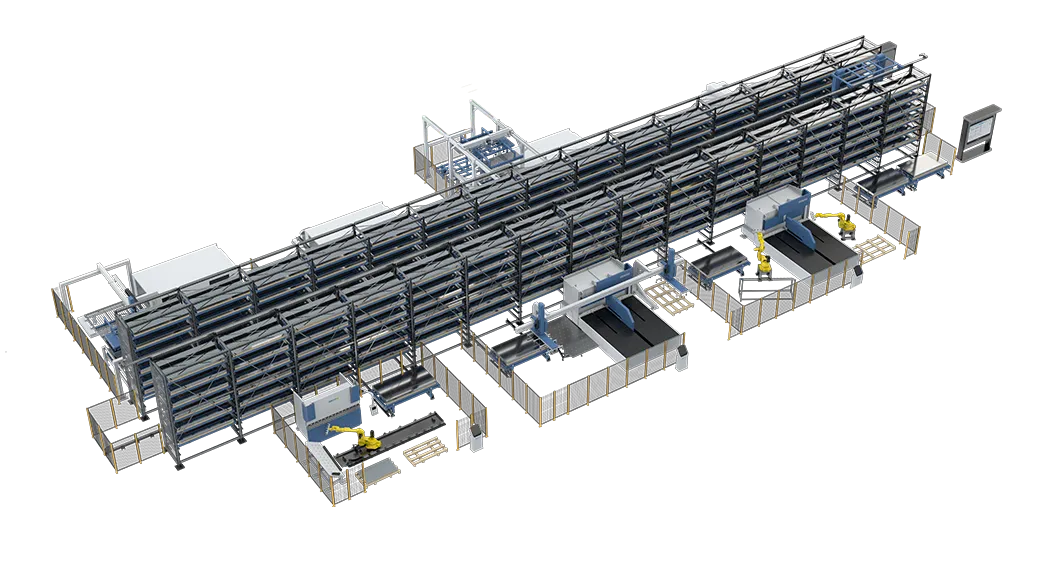
Automation scope must also be defined precisely. Does “automatic” mean automatic loading only, or loading plus unloading? Is part sorting included? What about remnant return? Are pallet positions part of the system? Are data interfaces included? Different suppliers can use similar marketing language while offering very different scopes. Every included function should appear in a scope matrix.
During this evaluation stage, buyers often use a shortlist of critical use cases. If the plant expects the system to work with certain repeat part families, sample cycle demonstrations or reference case discussions should focus on those cases instead of on easy, idealized examples.
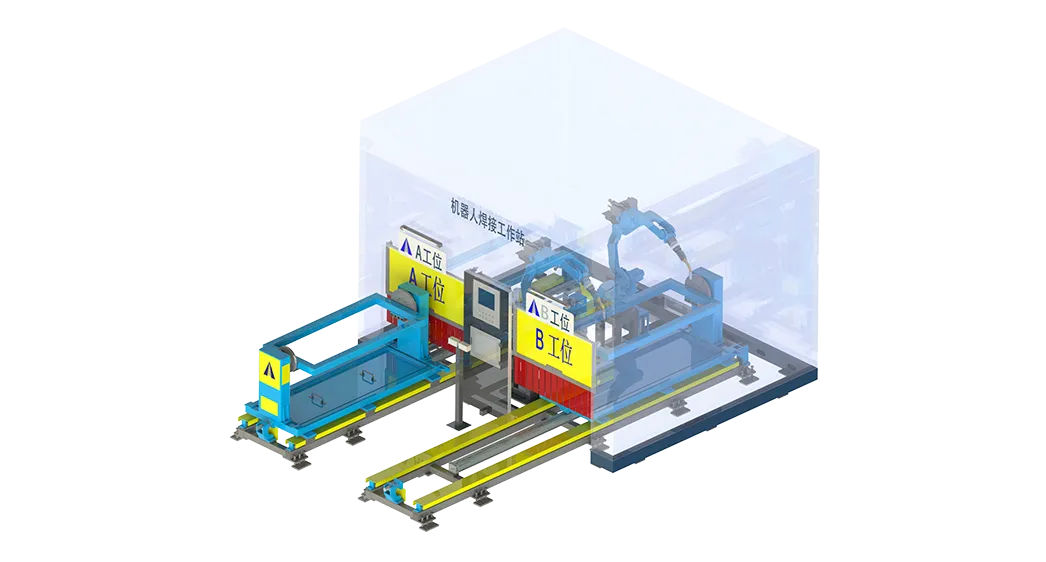
A related question is future compatibility. If the business later expands to automated welding cell integration or more connected sheet flow, can the supplier’s architecture support that direction? Not every project needs advanced integration today, but future readiness should at least be discussed.
Tooling, material range, and part quality should be checked by reviewing the supplier’s application capability, sample parts, tooling plan, and control of repeatability under real operating conditions.
Quality evaluation should begin with actual parts, not only machine claims. Buyers should ask suppliers to show sample components similar to their own work, especially where hole quality, edge consistency, repeat positioning, and complex geometry matter. If the application includes small holes, fine feature spacing, louvering, forming, or frequent tool changes, the tooling discussion should be detailed rather than generic.
Material range must be tested honestly. Some systems perform well with common mild steel but become more selective with stainless, coated sheet, or particular thickness transitions. If the customer’s production depends on a wide material mix, the supplier should explain any trade-offs in handling speed, tooling life, or maintenance attention.
Ask how the supplier manages tooling inventory, setup strategy, and wear control. Stable production depends on more than the punch head. Tooling philosophy influences productivity, quality, and maintenance cost over the long term. Buyers should also ask whether the supplier offers guidance for application engineering or mainly leaves those decisions to the customer after delivery.
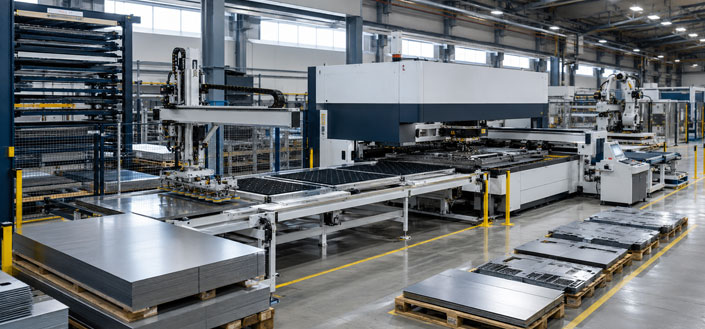
Software, MES, and data integration should be evaluated by checking what production information the supplier can exchange, who owns each data layer, and how the line behaves when communication fails.
More factories now expect their punching line to operate as part of a digital production environment. That may include order release, recipe or program control, production reporting, alarm handling, and material identity. In such cases, buyers should ask more than “Do you support MES?” They should ask what fields are exchanged, how the interface is implemented, how errors are handled, and whether the supplier has delivered similar projects successfully.
For example, if the system is expected to integrate with AGV forklift or internal sheet logistics in the future, the supplier’s architecture should not block that path. Even if the first phase is simple, clean interface structure matters. Buyers should request a basic data-flow explanation: what is handled by machine control, what is handled by any line-level controller, and what remains in MES or ERP.
Good digital evaluation also considers usability. Can operators understand alarm messages? Are downtime reasons accessible? Can production data be exported? Is remote support available and secure? These questions matter because the best interface is not the most complicated one; it is the one that supports stable operation and responsible data management.
Safety, standards, and FAT/SAT quality should be evaluated by reviewing the supplier’s guarding philosophy, risk-control method, test plan, and documented acceptance criteria.
Automatic CNC punching projects introduce more than a machine hazard. They may include loading movement, unloading stations, pallet handling, and guarded zones. Buyers should ask how the supplier addresses machine guarding, interlocks, emergency stops, maintenance access, and restart logic. The exact compliance framework depends on the destination market, but the key point is that safety should be engineered, documented, and testable.
Factory Acceptance Test and Site Acceptance Test quality often reveal supplier maturity. FAT should not be a showroom visit with vague discussion. It should test defined functions, cycle assumptions, safety logic, alarms, and included interfaces. SAT should confirm that the installed system performs as agreed in the customer’s facility. Buyers should ask whether the supplier provides FAT checklists, what materials are used, and how pass/fail is recorded.
OSHA and standards-based safety references are useful for general awareness, but the supplier should still explain project-specific guarding and access design. A strong supplier is comfortable discussing not only “normal production,” but also faults, jams, and recovery situations.
Delivery, installation, service, and spare parts should be compared because even a strong machine can become a weak investment if support response, training, or spare availability is poor.
Lead time is not just shipment date. It includes engineering release, pre-installation review, FAT preparation, delivery, site readiness, installation, SAT, and ramp-up. Buyers should compare these phases in detail, especially when one supplier appears significantly cheaper or faster than others. Sometimes the difference reflects omitted scope rather than real efficiency.
Service evaluation should cover remote support, response time, on-site availability, preventive maintenance, and technician training. Spare parts policy is equally important. Does the supplier recommend a critical spare list? Are local or regional inventories available? Which wear items are expected in the first year? Can the customer perform basic replacement with training, or is heavy supplier dependence likely?
Many experienced buyers give service almost the same weight as base machine capability. That is a sensible approach because the value of automation is realized over years, not only at installation.
References, case evidence, and site-visit readiness should be reviewed because they show whether the supplier can prove performance in applications that resemble the buyer’s real production environment.
Reference checking is often handled too casually. Buyers may ask for a few customer names, receive a standard list, and move on. A stronger method is to request references that match the intended application as closely as possible. If the project involves repeat sheet handling, automatic loading, and medium-to-high mix punching work, the reference should not be limited to a simple machine installation with no comparable automation. Ask what the customer was trying to improve, what scope was delivered, how long commissioning took, and what operating challenges appeared during the first months of use.
Case evidence should also be concrete. Useful examples include layout drawings, cycle assumptions, FAT records, sample part photos, or before-and-after workflow descriptions. Even when certain commercial details must remain confidential, the supplier should still be able to explain the project structure clearly. Buyers should listen carefully for whether the supplier describes not only the success story, but also the lessons learned. A supplier who openly explains how it handled alarm recovery, training gaps, or layout restrictions often deserves more trust than a supplier who speaks only in polished generalities.
Where possible, site visits add major value. A site visit allows the buyer to see machine cleanliness, operator workflow, guarding logic, material flow, and service practices in a working environment. The objective is not to find a “perfect” factory. The objective is to observe whether the equipment concept functions well in normal production. Buyers should prepare a checklist before the visit: What is the actual operator role? How is unloading handled? What alarms appear most often? How are tool changes managed? What maintenance routines are visible? A structured visit provides much stronger evidence than a conference-room presentation alone.
Site-visit readiness also reveals supplier confidence. Suppliers who are comfortable arranging technical visits, or at least detailed virtual reviews when visits are not practical, usually have more evidence to support their proposal. If a supplier cannot provide comparable references or cannot explain operating reality with sufficient depth, the evaluation team should reduce that supplier’s score even if the commercial offer looks attractive.
Buyers can score suppliers objectively by using weighted criteria so that strategic priorities, such as quality, automation fit, and service, are reflected consistently in the final decision.
An effective scorecard converts discussion into a ranked result while still leaving space for technical judgment. Below is a sample structure that procurement teams can adjust:
| Category | Suggested Weight | What to Score |
|---|---|---|
| Application fit | 20% | Sheet range, part mix suitability, cycle realism, tooling capability |
| Automation scope | 15% | Loading, unloading, pallet flow, clarity of included functions |
| Quality and repeatability | 15% | Sample parts, process stability, tooling plan, quality control approach |
| Safety and standards | 10% | Guarding, test plan, risk control, documentation discipline |
| Software and integration | 10% | Data exchange, MES readiness, alarm logic, usability |
| Delivery and commissioning | 10% | Lead time realism, FAT/SAT quality, project management |
| Service and spares | 10% | Support response, training, preventive maintenance, spare policy |
| Total commercial value | 10% | Price clarity, lifecycle cost, excluded items, commercial transparency |
If two suppliers finish with close scores, the tiebreaker should usually come from scope clarity and project confidence rather than from headline price. A quotation that is $30,000 lower but leaves multiple technical uncertainties can easily become the more expensive choice after installation.
Buyers should ask detailed pre-RFQ questions so that each supplier quotes against the same operating expectation rather than against its own private assumptions.
Useful questions include: What exact automation functions are included? What sheet range is guaranteed? Which cycle times are assumed and under what conditions? What is excluded from the base price? How is unloading defined? What operator role remains during production? What support is included during startup? How are performance targets measured? Which alarms stop the line, and how are they recovered? These questions reduce ambiguity and make quotations more comparable.
It is also smart to ask suppliers what information they need from the customer. A strong supplier will usually request part examples, material list, batch structure, shift model, layout data, and target output. That is a good sign. It suggests the supplier is trying to fit the project to the factory rather than simply pushing a standard machine.
Where possible, buyers should involve both procurement and production. Procurement may focus on terms, while operations may notice assumptions that affect daily usability. The best supplier decisions bring both perspectives together.
Toyuris supports structured supplier evaluation by making technical assumptions visible, matching automation scope to production needs, and clarifying project boundaries before quotation and implementation.
For buyers, this is valuable because the sourcing process becomes easier to compare. Toyuris can explain material range, loading and unloading scope, line architecture, project assumptions, and support approach in a way that helps engineering and sourcing teams review the offer systematically. Instead of vague productivity promises, the discussion can focus on what the system will actually do in the customer’s plant.
Where customers are still defining project direction, Toyuris can also help stage the evaluation. Some factories begin with a machine-centered requirement and later decide whether broader automation or logistics should be included. Others already know that the punching project will be part of a wider cell or smart-factory plan. In both cases, the best outcome comes from transparent scope definition rather than from rushed comparison.
Buyers who plan long-term sheet metal automation may also connect this evaluation with automated punch press project planning at the line level. That helps ensure the supplier decision supports future growth instead of creating a technical dead end.
The best automatic CNC punching machine supplier is not simply the one with the most impressive machine image or the lowest quotation. It is the supplier that best matches the customer’s production reality and can prove that fit clearly.
A technical evaluation checklist helps buyers compare machine capability, automation scope, quality, safety, software readiness, delivery discipline, and service support in a structured way. That reduces sourcing risk and makes internal approval easier because the recommendation is based on defined criteria rather than on preference alone. For industrial buyers, this discipline is especially important in automation projects where scope gaps can become expensive after contract award.
If your team is preparing an RFQ, the next step is to convert your production needs into a weighted checklist and ask every supplier to respond to the same assumptions. That process will make the final decision faster, clearer, and far more defensible.
These FAQs address the most common supplier-comparison questions raised by industrial buyers.
The biggest mistake is comparing prices without comparing scope. Two quotations may look similar while including very different levels of automation, service, or acceptance responsibility.
Three to five suppliers is usually practical. It is enough to compare alternatives without making the review process unmanageable.
For automatic CNC punching machine projects, yes in most cases. FAT helps confirm that functions, interfaces, and safety logic work before shipment.
That depends on the buyer, but many industrial teams give service and support 10% to 20% of the total score because lifecycle performance matters strongly.
Common requests include machine layout, scope matrix, sample acceptance plan, FAT/SAT checklist, spare parts recommendation, training plan, and interface description.
Yes. If the higher-priced supplier offers clearer scope, stronger commissioning, better support, and lower project risk, the total lifecycle value may be better.