What are you looking for?
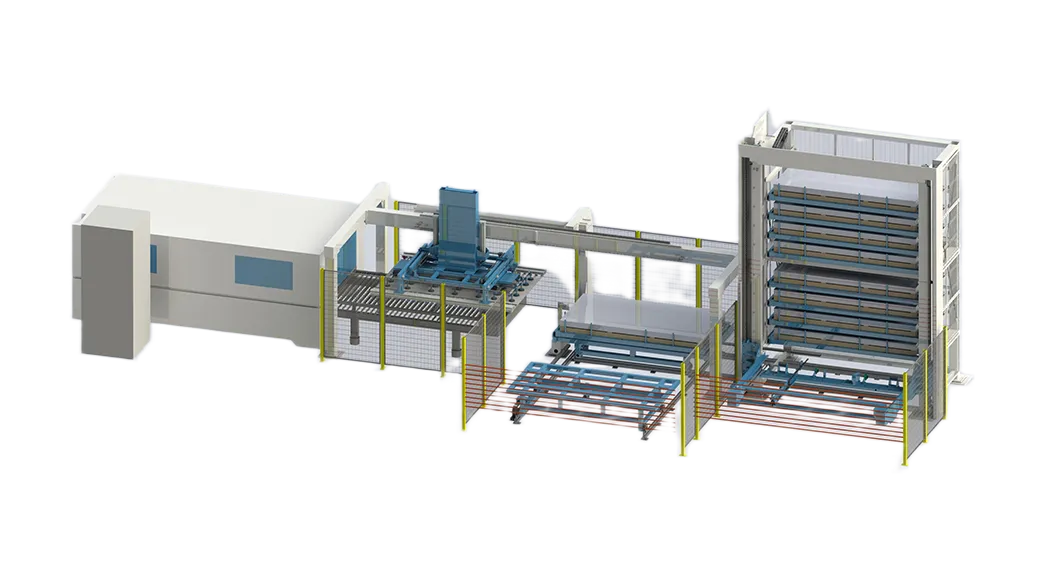
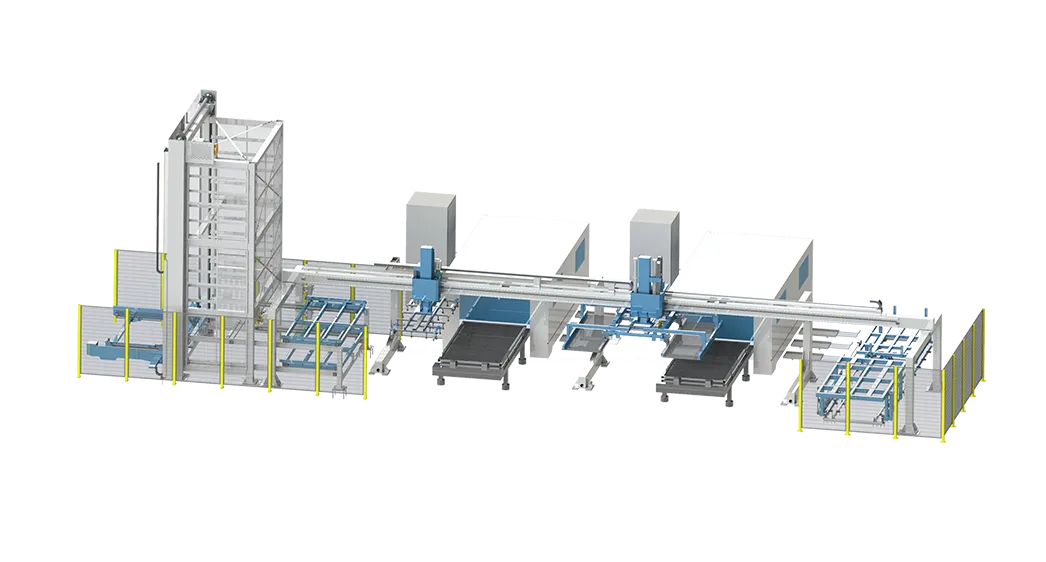
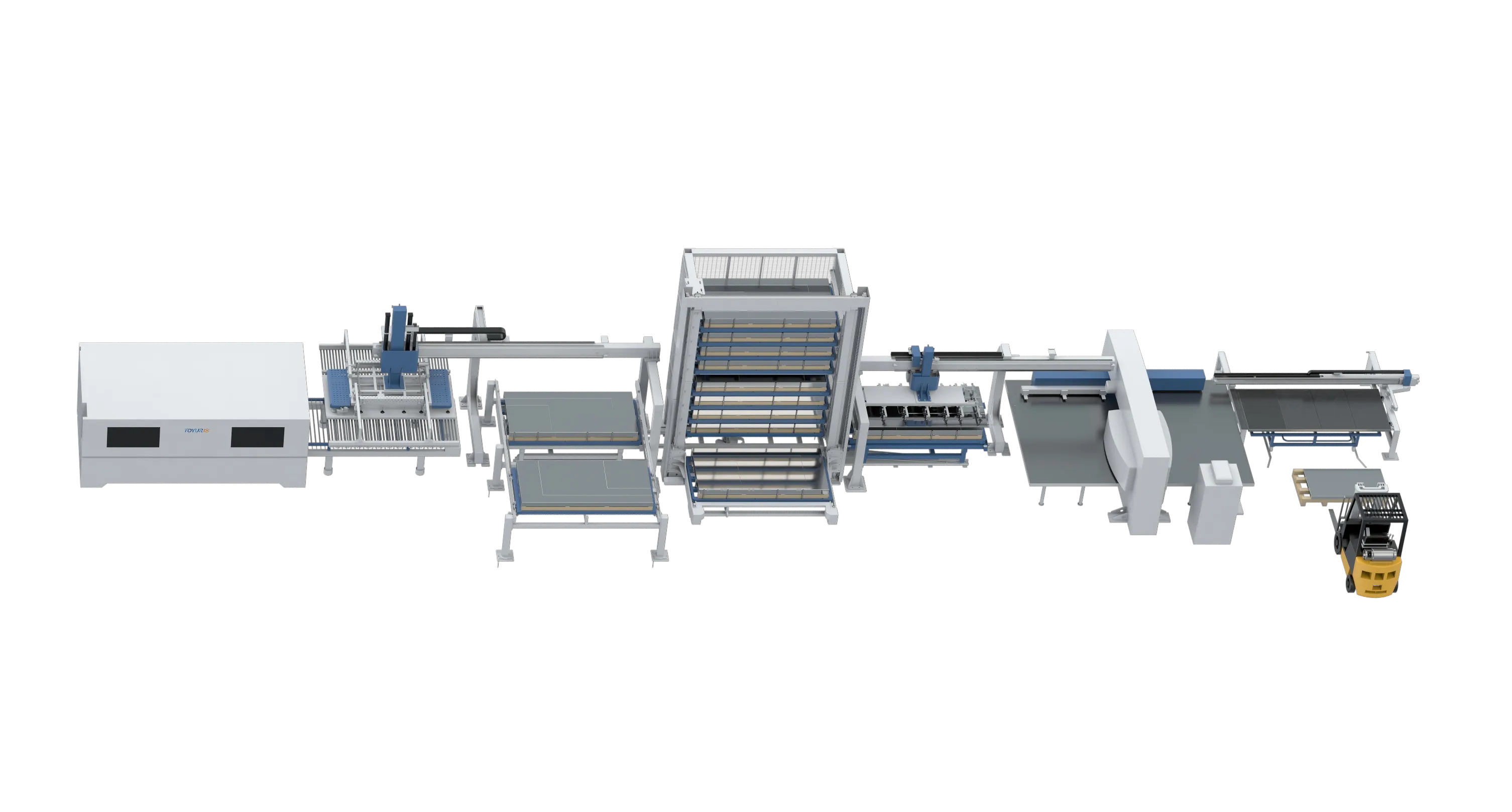
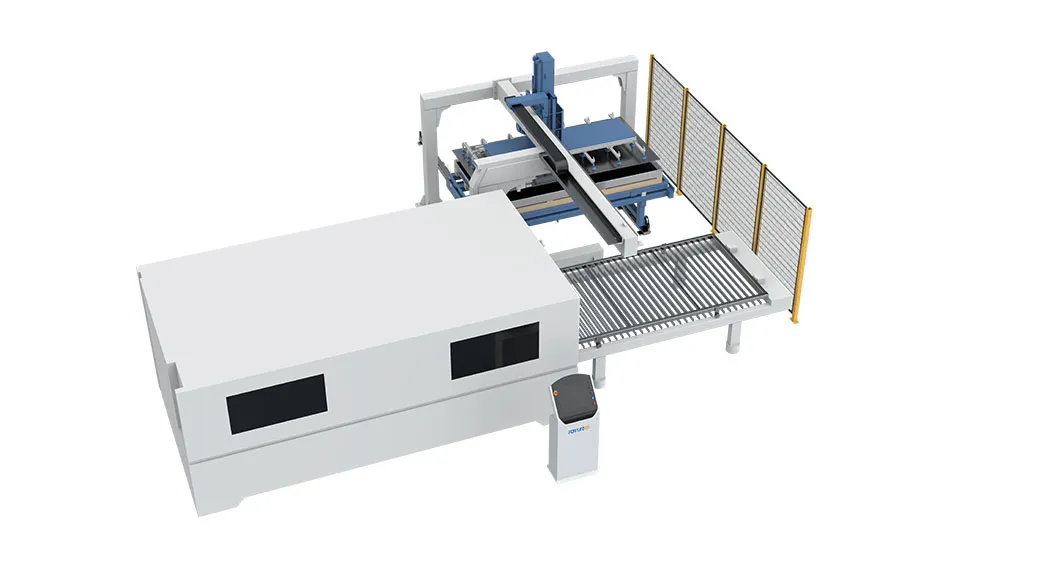
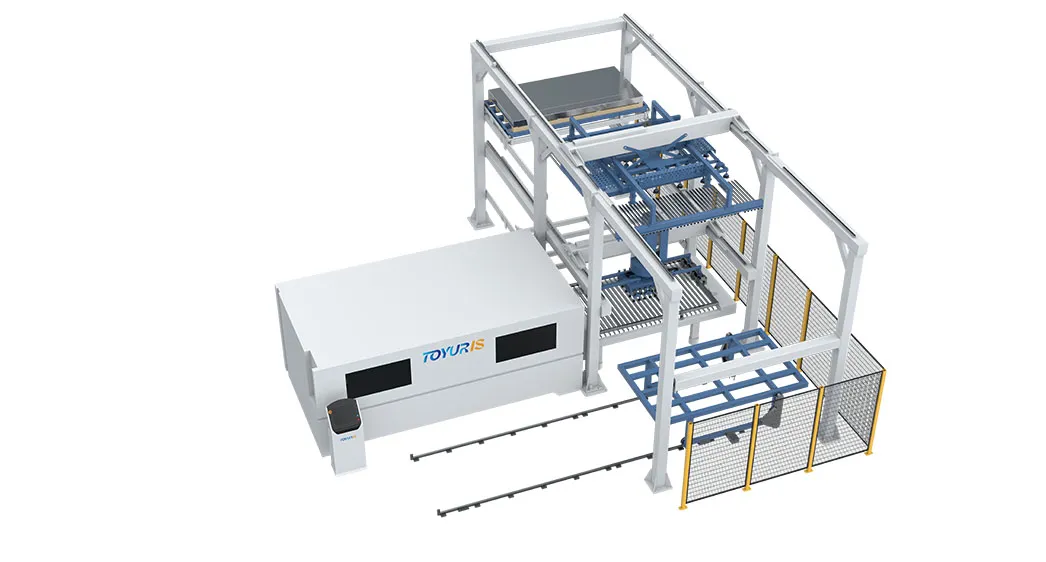
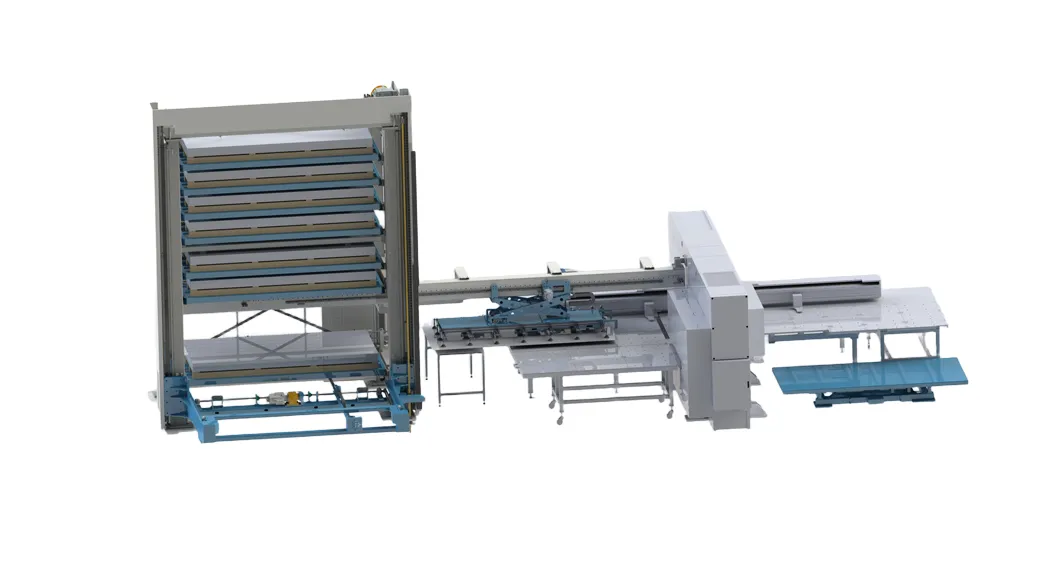
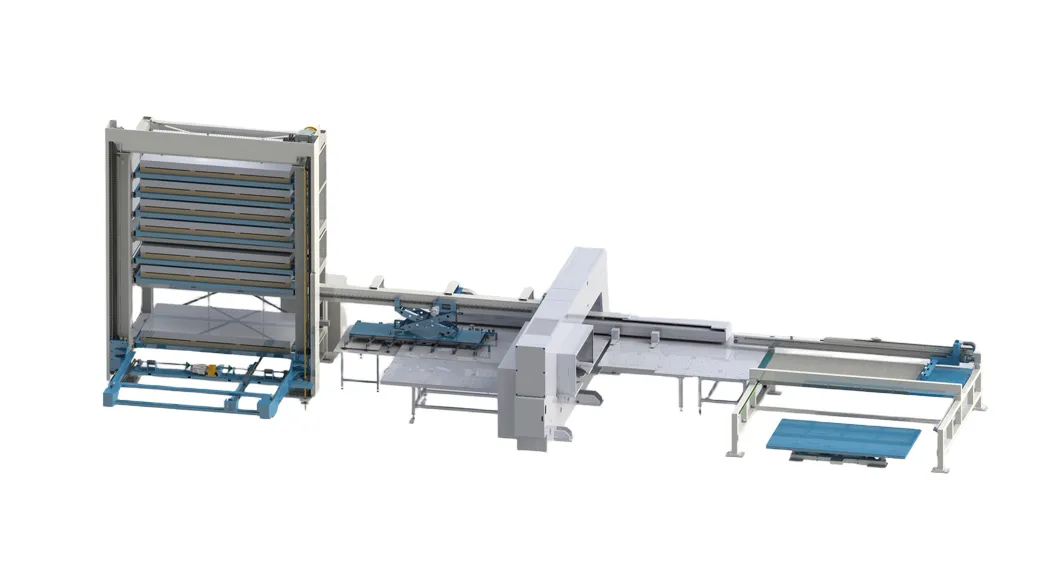
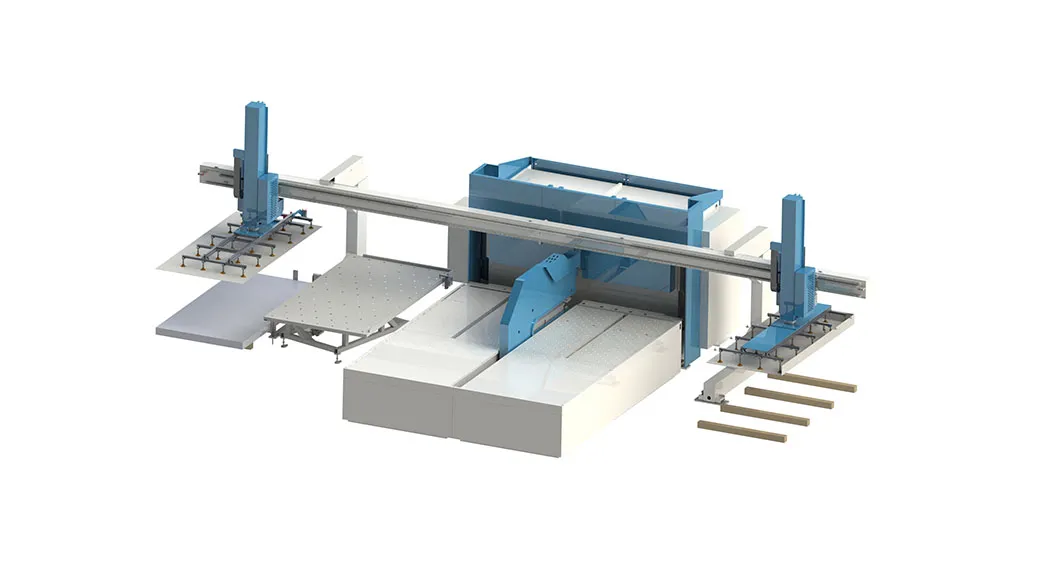
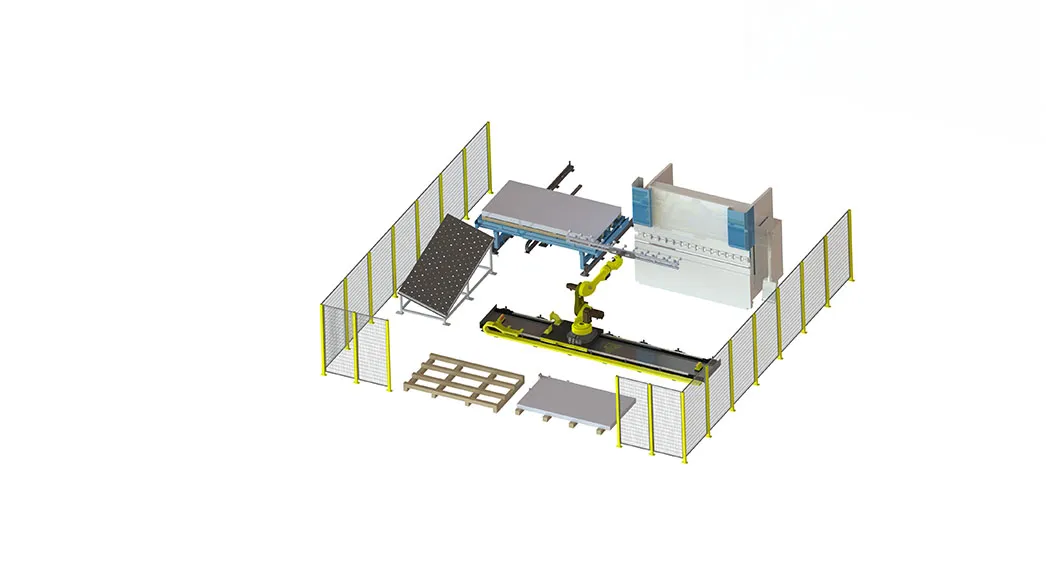
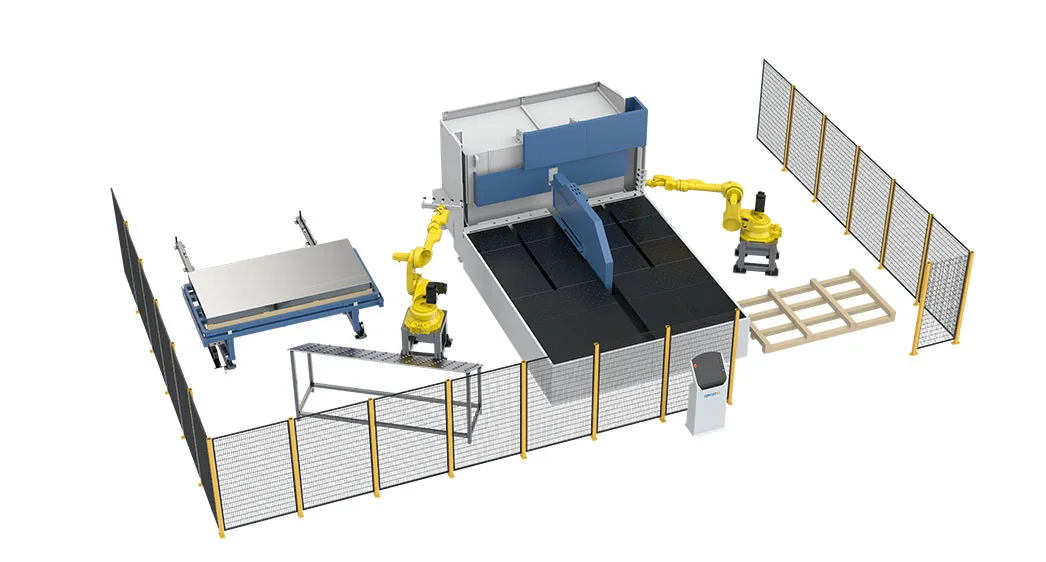
A factory MES should do much more than display machine status or record completed quantities. In a modern sheet metal production line, the Manufacturing Execution System needs to connect production orders, materials, parts, process routes, machine programs, equipment status, work-in-process, quality results, and logistics movements into one traceable production model.
This becomes particularly important when laser cutting, punching, bending, welding, automated storage, and material handling equipment operate as an interconnected production system. A machine can be highly automated while the factory itself remains inefficient if production data is fragmented between machines, spreadsheets, operators, warehouse records, and planning software.
The engineering objective of a factory MES is therefore not simply data collection. It is to create a real-time information layer between production planning and the physical manufacturing process, allowing the factory to understand what should be produced, what is actually being produced, where each job is located, which equipment is becoming a constraint, and what needs to happen next.
For sheet metal manufacturers, this means the MES architecture should be designed around the complete production flow rather than around individual machines.
A practical MES for sheet metal production should track at least eight interconnected categories: production orders, part information, raw materials, process routes, equipment, production status, quality information, and material location.
| Data Category | Typical Data | Why It Matters |
|---|---|---|
| Production Order | Order number, customer, quantity, priority, due date | Defines what must be produced and when |
| Part Information | Part number, drawing revision, dimensions, material, thickness | Connects the product definition with manufacturing operations |
| Material | Material grade, sheet size, batch, storage location | Ensures the correct material reaches the correct process |
| Process Route | Cutting, punching, bending, welding, inspection and other operations | Defines the manufacturing sequence |
| Equipment | Machine, operating status, program, cycle time, downtime | Provides visibility into production capacity |
| WIP | Quantity, location, status, next operation | Shows where unfinished production is accumulating |
| Quality | Inspection results, defects, rework, holds | Prevents defective output from moving through the system |
| Logistics | Storage location, transfer request, AGV movement, delivery status | Connects production with automated material flow |
The value comes from connecting these data categories. Knowing that a bending machine is running at 82% utilization is useful. Knowing that 82% utilization is causing a 47-minute queue before bending, while the upstream laser process is producing ahead of schedule, is much more useful.
That distinction separates a machine monitoring system from a production execution system.
The MES should follow the physical production route and maintain a digital representation of each major manufacturing step.
A typical sheet metal production flow can be structured as:
Production Planning → Raw Material Storage → Material Retrieval → Cutting → Punching/Forming → WIP Buffer → Bending → Welding/Assembly → Inspection → Finished Goods
At every transition, the MES should be able to answer four operational questions:
What is being produced?
Where is it now?
What operation comes next?
What resource is required to complete that operation?
This creates a production chain in which information travels with the product instead of remaining isolated inside individual departments.
The production order is the starting point of execution. Once an order is released, the MES should transform planning information into executable manufacturing tasks.
Important production-order fields can include:
Production order number
Customer or project reference
Part number
Required quantity
Due date
Priority
Production batch
Process route
Material requirement
Required machine or production cell
Program revision
Quality requirements
For high-mix sheet metal production, order management becomes especially important because different parts may share materials but require completely different processing routes.
For example, two 2 mm stainless-steel parts may both begin with laser cutting but diverge afterward. One may require punching and bending, while another may proceed directly to welding. The MES must distinguish those routes instead of treating both parts as identical production units.
Part-level traceability becomes increasingly important as production moves from standalone machines toward connected automation.
A part should ideally carry a digital identity containing its production order, material specification, process route, revision level, and current manufacturing status.
Consider a production order containing 500 components. If 200 parts have completed cutting, 150 have completed punching, and 100 are waiting for bending, the MES should not simply report that the order is “in production.” It should expose the actual distribution of work across the production route.
This enables production managers to distinguish between:
Completed production
Active production
Waiting WIP
Quality hold
Rework
Material shortage
Equipment waiting
Logistics waiting
That level of visibility is essential for realistic scheduling.
Material and equipment information should be connected to the same production records rather than maintained as independent datasets.
For sheet metal, material records may include grade, thickness, sheet dimensions, heat or batch information, storage location, remaining quantity, and allocation status.
Machine records should include machine identity, production cell, operating status, current order, current program, start time, completion time, downtime, alarm condition, cycle time, and output quantity.
When these records are connected, the MES can identify relationships that are difficult to see in isolated machine systems.
For example, a laser cutting machine may appear to have sufficient capacity based on its utilization rate. However, if the correct stainless-steel sheet is not available at the machine, production may still stop. From a production perspective, the real constraint is not machine capacity but material availability.
This is why an MES should monitor both resource availability and resource readiness.
Automated cutting creates a strong opportunity for MES integration because cutting programs, material preparation, production orders, and downstream requirements can be digitally connected.
When a cutting order is released, the MES can associate the order with the required material, cutting program, quantity, and downstream route. Production status can then be returned from the equipment to the MES.
For example, automated laser cutting can become part of a larger execution workflow rather than an isolated cutting operation.
The MES may track:
Cutting order
Material specification
Sheet quantity
Cutting program
Program revision
Start time
Completion time
Actual output
Scrap or remnant information
Next process
This creates a direct relationship between the cutting operation and the following manufacturing stage.
The objective is not to make the MES control every machine function. Machine-level controls should remain where they belong. Instead, the MES coordinates the production context around those machines.
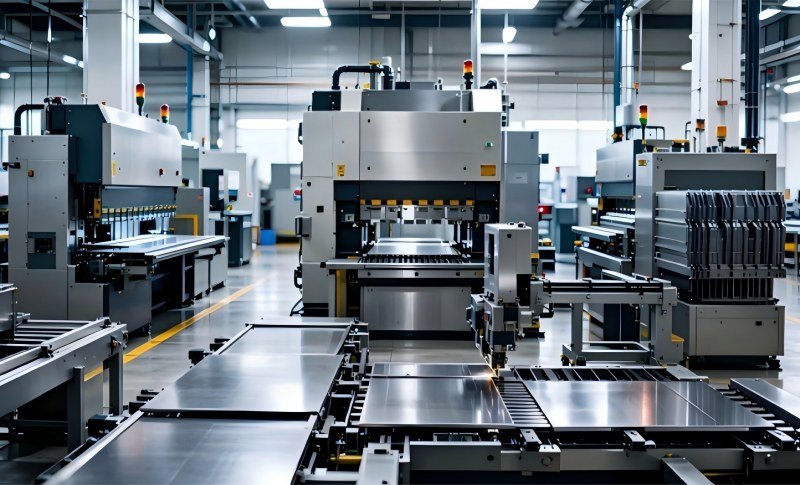
Yes, when punching and forming have different production characteristics, the MES should treat them as distinct operations even if they occur within the same production cell.
A punching operation may be constrained by tooling, program selection, material handling, or batch setup. A forming operation may depend on tool configuration, part geometry, orientation, and operator or robot handling requirements.
For example, an automated punch press can report machine status and production completion while the MES maintains the higher-level relationship between the machine, production order, material, quantity, and next operation.
This distinction becomes valuable when analyzing production performance. A machine can have high availability while still delivering poor throughput because setup, material handling, or downstream waiting consumes a significant portion of available production time.
Work-in-process is where many hidden manufacturing problems become visible.
A production line may appear busy because large quantities of material are moving between processes. Yet excessive WIP can indicate that one process is producing faster than the next process can consume.
Suppose laser cutting produces 300 parts per hour while bending can process only 180 parts per hour for the current product mix. If no WIP limit exists, the difference accumulates between the two processes.
The result may include:
Growing intermediate inventory
Longer production lead time
More material handling
Higher risk of part mixing
Difficulty identifying urgent orders
Reduced floor-space efficiency
More complicated scheduling
An MES should therefore track not only WIP quantity but also WIP age and location.
A useful WIP record can include part number, order number, quantity, current location, completed process, next process, creation time, waiting time, and priority.
This allows managers to distinguish between healthy process buffers and uncontrolled accumulation.
Bottleneck analysis should not rely on machine utilization alone.
A production bottleneck can come from insufficient machine capacity, long setup times, unreliable equipment, material shortages, excessive inspection requirements, manual handling, or downstream congestion.
A useful MES should therefore collect several indicators simultaneously.
| Indicator | What MES Should Monitor | What It Can Reveal |
|---|---|---|
| Utilization | Run time vs available time | Resource loading |
| Cycle Time | Actual vs planned cycle | Performance loss |
| Setup Time | Changeover duration | Batching or scheduling problems |
| Downtime | Duration and reason | Reliability constraints |
| Queue Time | Waiting before operation | Capacity imbalance |
| WIP Quantity | Accumulated quantity by process | Flow imbalance |
| Quality Loss | Scrap, rework and holds | Effective capacity reduction |
| Material Waiting | Time waiting for raw material | Logistics constraints |
This makes it possible to separate a capacity bottleneck from a reliability bottleneck.
A bending department may have insufficient capacity even though its machines are reliable. Conversely, a laser cutting machine may have enough theoretical capacity but lose production hours because of frequent downtime or material retrieval delays.
Manufacturers often focus heavily on cycle time because it is easy to measure. However, the total production lead time is influenced by both processing time and waiting time.
Consider a component that requires 90 seconds of actual processing but spends 25 minutes waiting between operations. Reducing processing time by 10 seconds may have limited impact on delivery performance if the major loss comes from waiting.
MES provides the visibility required to identify this difference.
For every operation, the system should ideally distinguish:
Processing Time + Setup Time + Material Waiting + Queue Time + Quality Hold + Transfer Time
This gives production engineers a more realistic picture of total manufacturing lead time.
Production data becomes significantly more powerful when it is connected to material logistics.
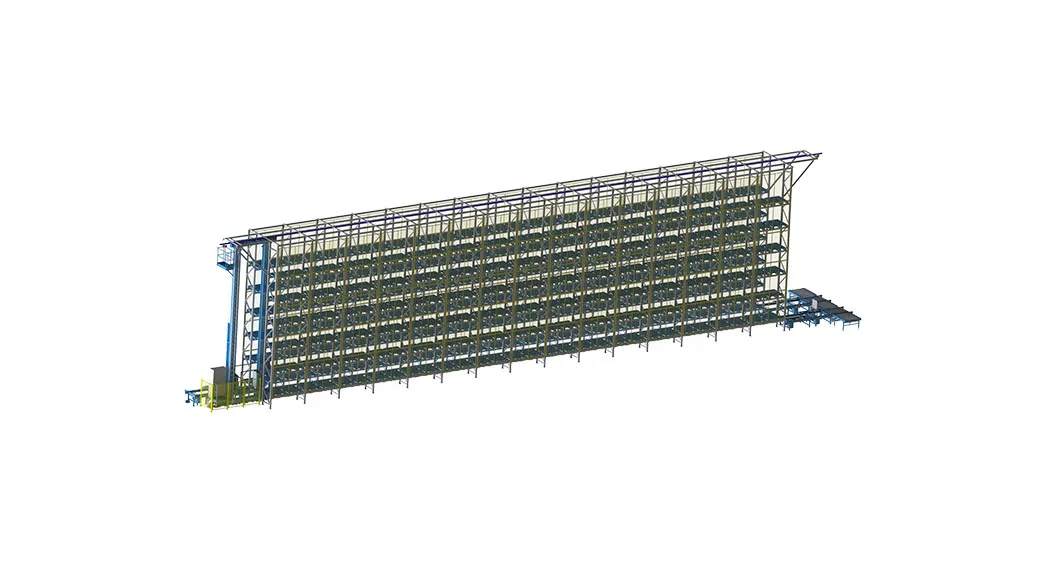
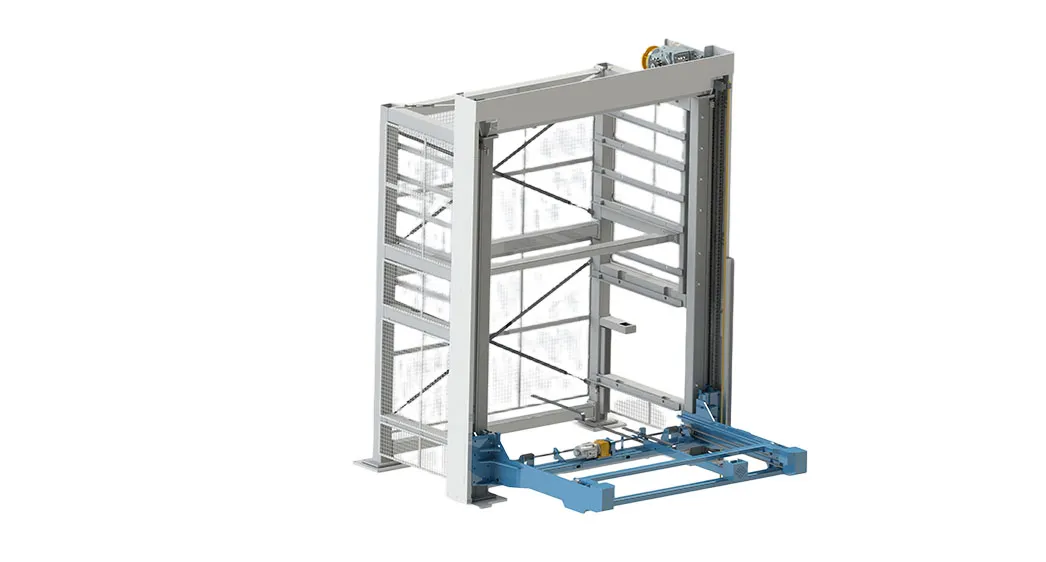
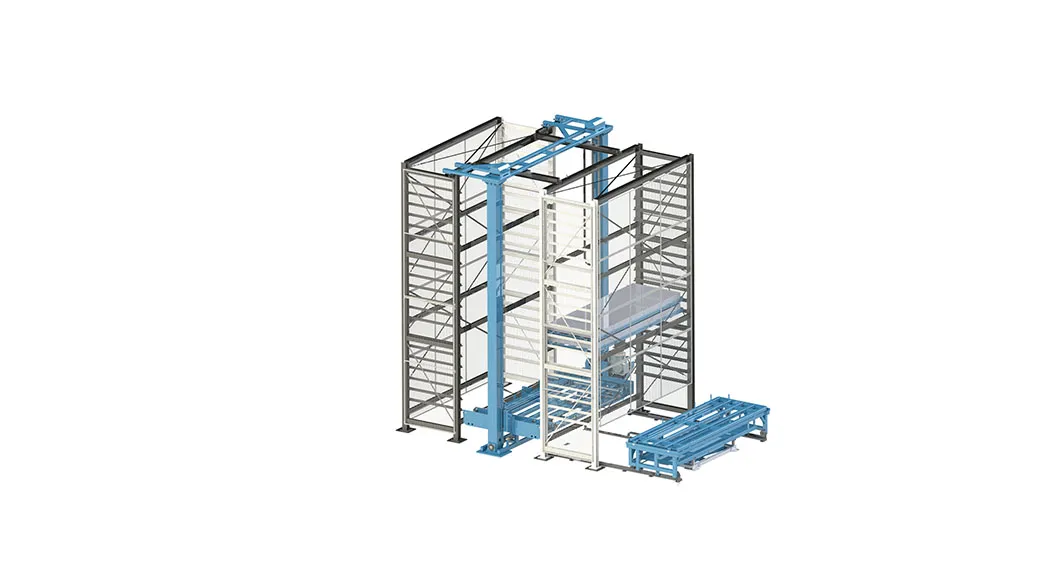
A sheet metal factory may have automated storage systems, AGVs, loading stations, buffer locations, and machine-side material storage. If these systems operate independently, operators may still spend considerable time coordinating movements manually.
MES can provide the production requirement while the warehouse or logistics system executes the physical movement.
For example, if a production order requires a specific stainless-steel sheet for the next laser-cutting operation, the MES can generate or trigger a material-retrieval request. The logistics system then identifies the storage location and performs the transfer.
The factory can use smart factory logistics to connect storage and production movement with execution information.
The critical engineering principle is that material movement should be driven by production demand rather than by independent warehouse activity.
This prevents two common problems: moving material too early and moving the wrong material.
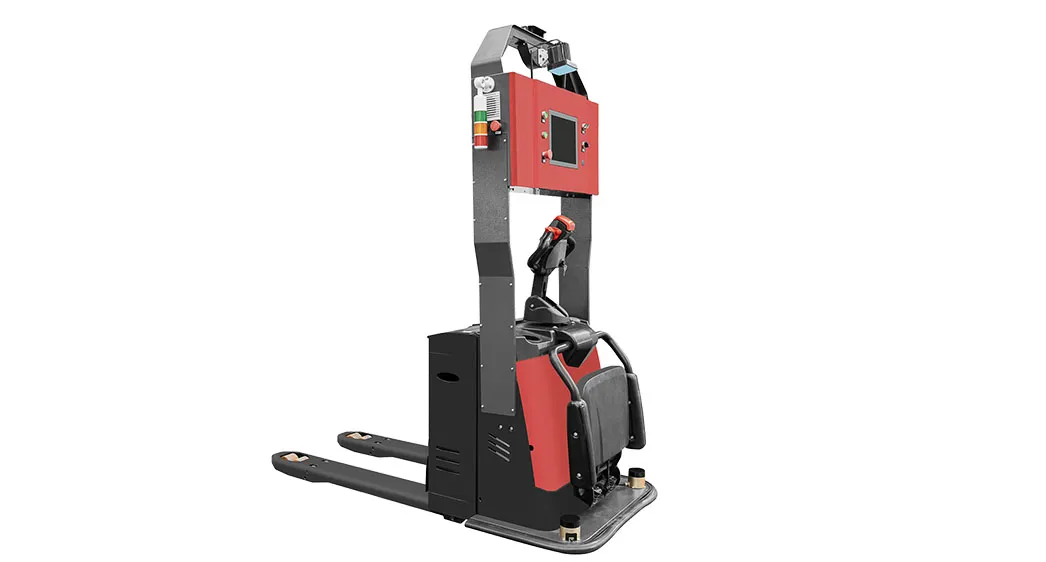
When AGVs are integrated into the production environment, the MES does not necessarily need to control every navigation function. Instead, the systems should exchange production-related transport information.
| MES Information | Logistics System Response |
|---|---|
| Material required | Create retrieval task |
| Source location | Assign storage position |
| Destination machine | Generate transport mission |
| Required time | Prioritize transport |
| Material delivered | Confirm completion |
| Production priority | Adjust task sequence |
This creates a closed relationship between production scheduling and material logistics.
Without this integration, a highly automated production line can still experience unexpected machine waiting because the material-handling layer does not know which order is actually urgent.
Quality should not be treated as a separate department that receives information only after production is completed.
The MES should associate quality information with the relevant production order, part, process, machine, material batch, and operator or production cell where appropriate.
For sheet metal production, traceability may include:
Material batch
Production order
Part number
Drawing revision
Machine
Program revision
Inspection result
Defect type
Rework quantity
Final acceptance status
If a quality problem is identified later, this information makes it possible to determine which production batch and manufacturing conditions were involved.
More importantly, quality data should influence production execution. A batch placed on quality hold should not automatically continue to the next process simply because the previous operation has been marked complete.
Capacity planning should be based on effective production capacity rather than theoretical machine speed.
A useful conceptual model is:
Effective Capacity = Available Time × Availability × Performance × Quality Yield
MES can supply the operational data needed for each factor.
For example, consider a production cell with 480 available minutes per shift:
| Factor | Example |
|---|---|
| Available Time | 480 min |
| Availability | 90% |
| Performance | 88% |
| Quality Yield | 98% |
| Effective Production Time | Approximately 373 min |
This is very different from assuming that the machine has 480 minutes of productive capacity.
When the MES collects these values continuously, production planners can use actual operating data to improve scheduling assumptions.
Scheduling becomes difficult when one production order passes through several processes with different capacities.
A cutting machine may finish a large batch quickly, while bending requires much more time because each part has different geometry and tooling requirements.
If scheduling is based only on the capacity of the first operation, the downstream department becomes overloaded.
A better MES architecture considers the complete route.
For each production order, the system should understand:
Required operations
Estimated processing time
Machine eligibility
Tooling requirements
Material availability
Current WIP
Downstream capacity
Production priority
Required completion date
This enables scheduling decisions to reflect the actual production network instead of treating each machine as an independent resource.
In most industrial architectures, MES should coordinate production execution while machine controllers remain responsible for machine-level control.
The hierarchy can be understood as:
ERP / Planning → MES → Production Equipment / Automation → Sensors and Machine Controllers
The ERP or planning layer defines business requirements. MES translates those requirements into executable production tasks. Equipment-level systems execute machine operations and return production information.
This separation is important because it prevents the MES from becoming an unnecessarily complex machine-control platform.
The MES should answer questions such as which order should run, what material is required, which operation comes next, and whether the order is complete.
The machine controller should handle questions such as servo movement, cutting parameters, axis control, safety interlocks, and machine-specific sequences.
A useful dashboard should focus on decisions rather than simply displaying large quantities of data.
A production manager may need to see:
Orders due today
Orders at risk of delay
Current machine status
Production output versus plan
WIP by process
Current bottleneck
Material shortages
Quality holds
Machine downtime
AGV or logistics tasks
Completed versus pending operations
For engineering teams, a more detailed view can expose cycle time, setup time, utilization, queue time, downtime reasons, and process-level performance.
The dashboard should therefore be role-based. A plant manager, scheduler, production supervisor, maintenance engineer, and warehouse operator do not need exactly the same information.
The MES should be designed together with the production line rather than added after equipment installation.
During engineering, the factory should define the information flow alongside the physical flow.
For example:
Order Released → Material Allocated → Material Retrieved → Cutting Started → Cutting Completed → WIP Registered → Bending Scheduled → Bending Completed → Inspection → Finished Goods
Each transition should have a defined data event.
This approach allows engineers to identify missing information before the production line is commissioned.
It also prevents a common automation problem: installing advanced equipment first and attempting to connect the systems afterward.
Visibility means the factory can see what is happening.
Execution means the system can use that information to coordinate what should happen next.
A dashboard showing that a machine is idle provides visibility. Automatically identifying that the machine is idle because its next material batch has not been retrieved, generating a logistics task, and updating the production sequence creates execution capability.
This distinction is important for manufacturers evaluating MES projects.
A system should not be judged only by how many screens or reports it provides. The more important question is whether it improves the connection between planning, machines, material flow, WIP, quality, and production decisions.
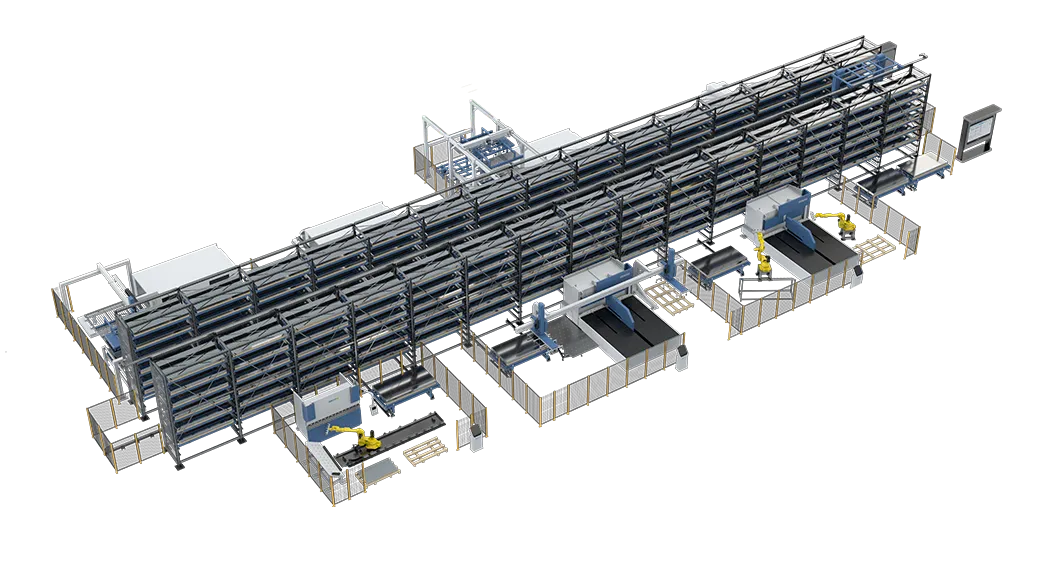
For a highly automated sheet metal factory, MES should be considered one layer of a larger production architecture.
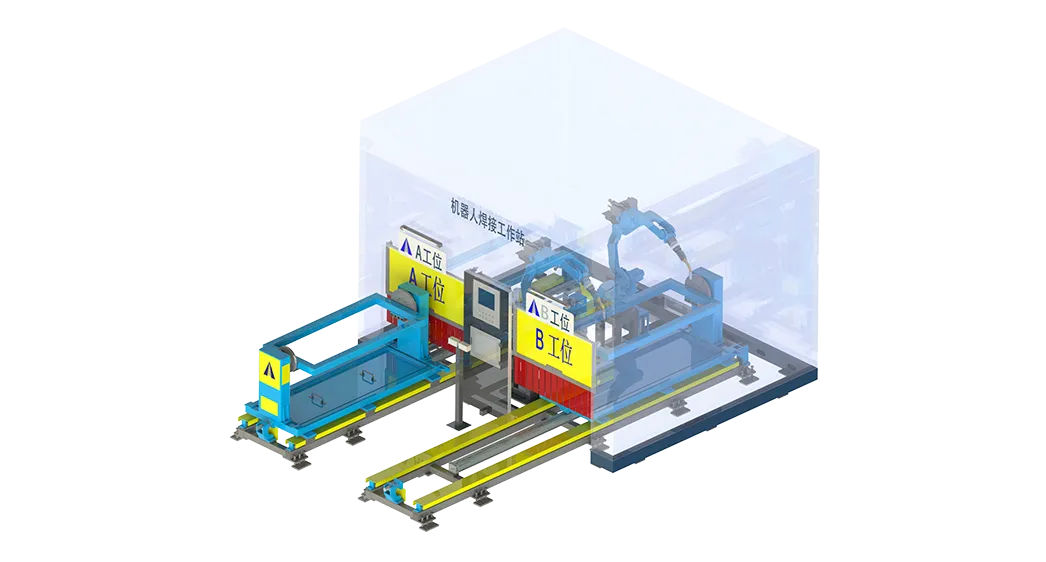
The physical system may include automated cutting, punching, bending, welding, storage, and material handling. The information system must connect these resources into a coordinated production workflow.
Toyuris approaches smart manufacturing from this system perspective, combining production equipment, material flow, automation, manufacturing data, and execution management rather than treating each machine as an isolated automation project.
The resulting architecture can be viewed as four connected layers:
| Layer | Primary Function |
|---|---|
| Production Equipment | Cutting, punching, bending, welding and other processing |
| Material Automation | Storage, retrieval, transfer and WIP movement |
| MES | Production execution, tracking, scheduling and traceability |
| Management Systems | Orders, planning, business and production decisions |
The strength of this architecture is not simply the automation level of an individual machine. It is the ability of the entire production system to maintain synchronization between physical production and production information.
Before software configuration begins, the factory should define its actual production model.
At minimum, the engineering team should document:
Production routes
Machine capabilities
Material types and storage rules
Production priorities
WIP locations
Quality checkpoints
Machine data interfaces
Material-handling interfaces
Scheduling rules
Production KPIs
It is particularly important to define what constitutes a production event. “Machine started,” “machine completed,” “material delivered,” “quality accepted,” and “operation closed” should have clear meanings.
Otherwise, the MES may contain large amounts of data without providing reliable production information.
It should be possible to identify what has been produced, what remains, where WIP is located, and which operation comes next.
A sheet metal factory rarely consists of identical machines. The MES should support integration across cutting, punching, bending, welding, inspection, and logistics systems.
Queue time, material waiting, transfer time, and quality holds are essential for identifying the real causes of long lead times.
When material handling is automated, production and logistics need to exchange requirements, destinations, priorities, and completion signals.
The system should provide actual utilization, cycle time, downtime, setup time, output, WIP, and quality information rather than relying entirely on theoretical machine capacity.
An MES implementation should allow additional machines, production cells, warehouses, AGVs, inspection systems, and production lines to be integrated without rebuilding the entire architecture.
A factory MES should track far more than machine output. For a modern sheet metal production line, it needs to connect production orders, parts, materials, process routes, equipment, WIP, quality, logistics, and capacity information into one execution model.
The real value appears when this information is connected across the complete production flow. Laser cutting data can influence downstream scheduling. WIP information can reveal a bending bottleneck. Material shortages can trigger logistics tasks. Quality holds can prevent premature process completion. Actual machine performance can improve future capacity planning.
When MES is engineered together with production equipment and material automation, the factory gains more than digital visibility. It gains a coordinated production system in which physical processes and manufacturing information remain synchronized.
ISA-95 — Enterprise-Control System Integration